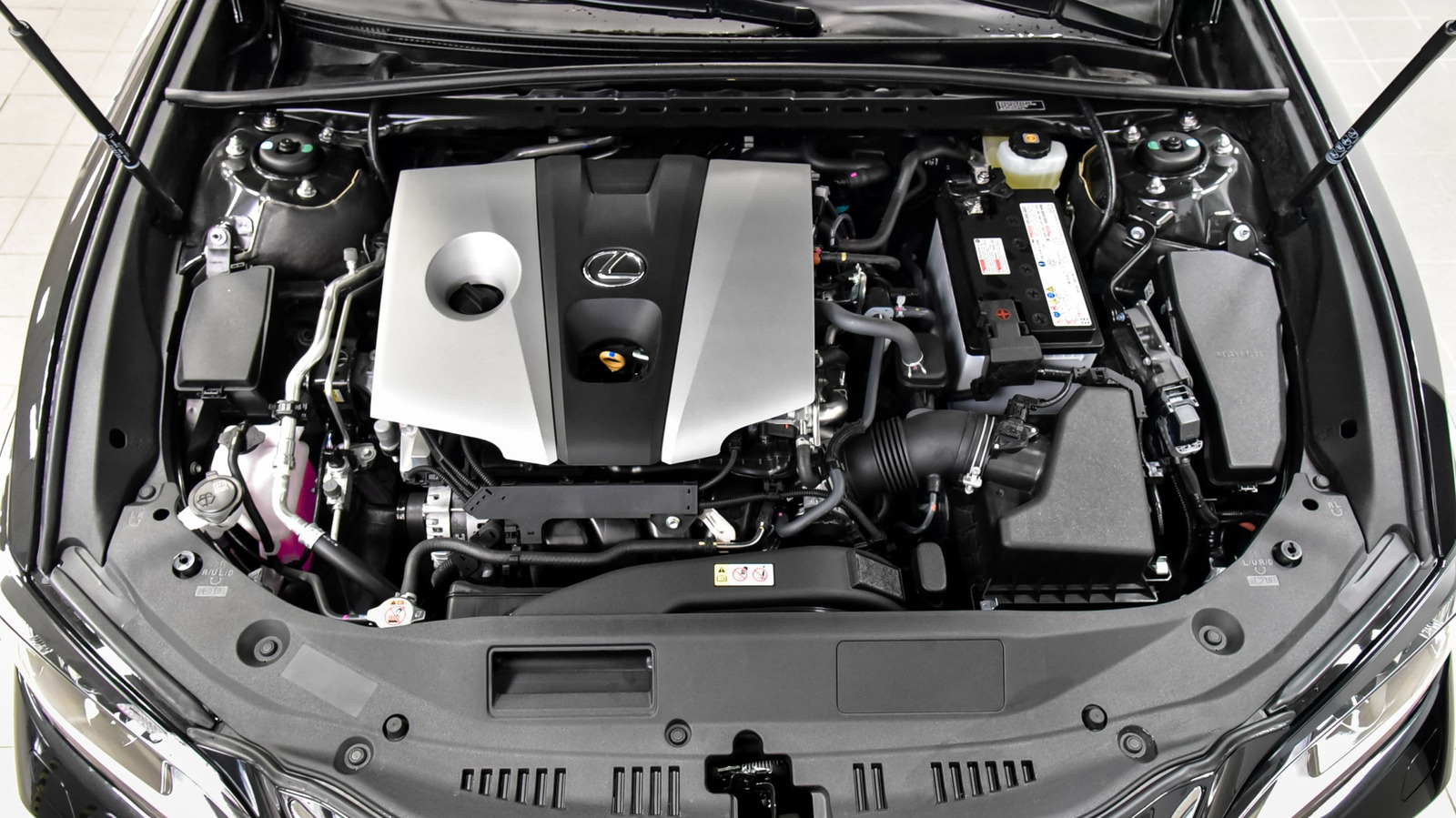
Toyota and Lexus share corporate ownership, but parts compatibility between the two brands operates under stricter rules than many owners assume. While both manufacturers use common platforms and powertrains, swapping components requires careful verification rather than blanket substitution.
Certain mechanical elements do interchange successfully. Engine blocks, transmissions, and suspension components often carry identical part numbers across Toyota and Lexus vehicles built on the same architecture. A V6 engine from a Lexus ES might fit a Toyota Camry sharing that platform. Brake rotors, pads, and some electrical modules frequently cross over without modification.
The complications arise with proprietary systems and calibration. Lexus models typically feature different emissions tuning, suspension geometry, and electronic control module programming tailored to their luxury positioning. A Lexus transmission control unit won't function properly in a Toyota without recalibration. Interior trim pieces rarely interchange due to different dashboard layouts and connector standards. Software-dependent components like climate control modules require dealership reprogramming.
Model generation matters tremendously. A fourth-generation Camry shares fewer parts with a fifth-generation model than with other Toyota models from the same era. Lexus maintains tighter tolerances in manufacturing, meaning some Lexus-sourced parts may exceed Toyota specifications and create fitment issues in reverse applications.
Owner community wisdom often overstates compatibility. While a Toyota owner might source a cheaper Lexus alternator using the same electrical architecture, transmission cores require complete rebuilding to match Toyota parameters. Suspension bushings differ in durometer ratings between brands despite looking identical.
The safest approach involves consulting factory parts catalogs or contacting dealerships before purchasing cross-brand components. Toyota's shared ownership structure benefits repair affordability for Lexus owners in specific categories, but treating all parts as interchangeable invites expensive mistakes. Platform sharing drives down some costs, yet Lexus engineering