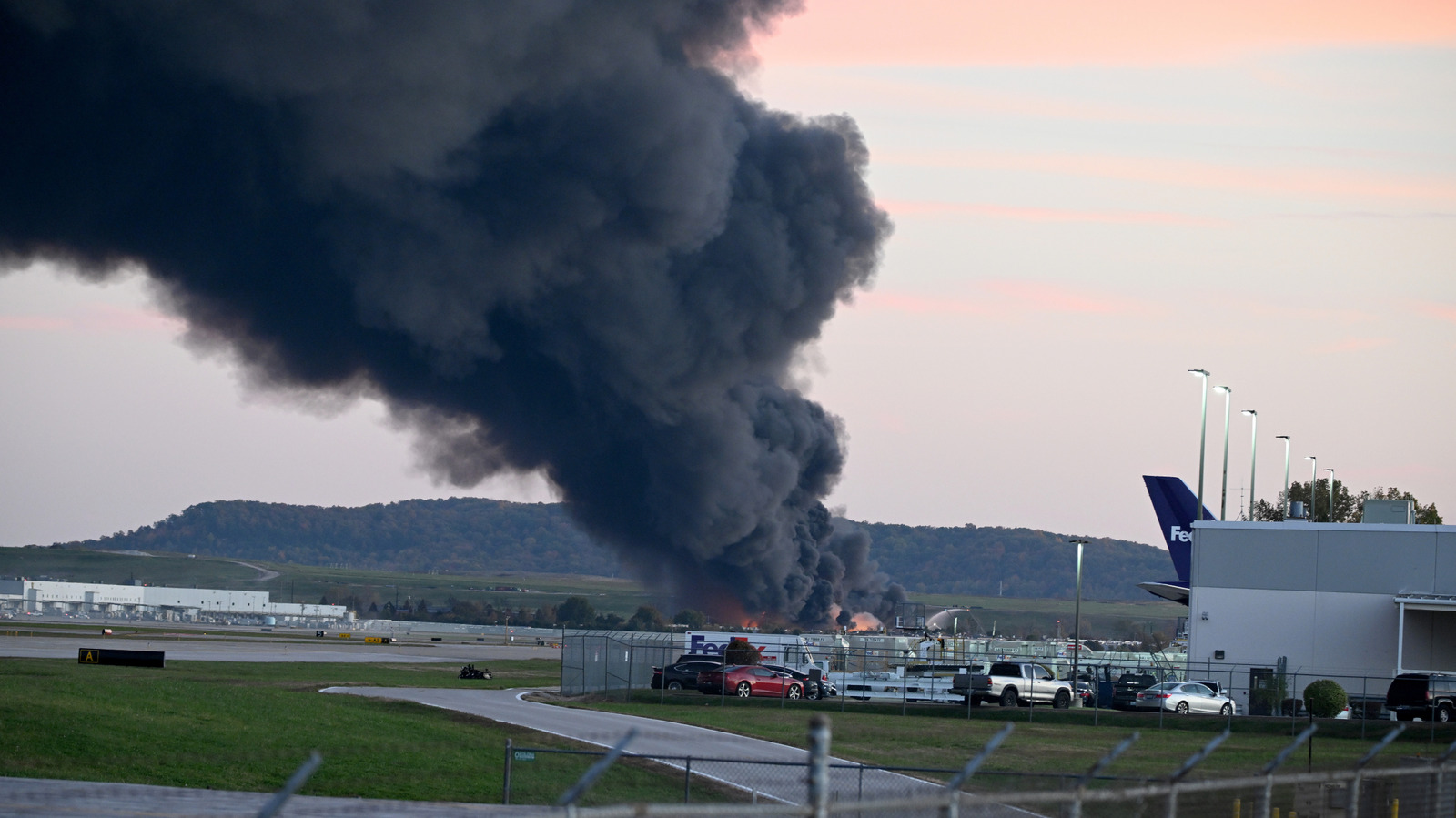
Boeing maintenance records reveal the company disregarded warning signs before a catastrophic UPS cargo plane crash killed all two crew members aboard in 2013. Federal investigators uncovered documentation of 10 prior failures in engine pylon brackets, the critical components that secure engines to aircraft wings on similar Boeing 747-400 freighters. Most of these defects went unreported to the FAA, according to the findings.
The UPS flight 1354 crashed near Birmingham-Shuttlesworth International Airport in Alabama after suffering an uncontained engine failure. The accident destroyed the aircraft and killed both pilots. The subsequent investigation traced the root cause to a fatigue crack in the engine pylon that buckled under normal flight stress, allowing the engine to separate from the wing.
The timing of this disclosure matters. Boeing faces mounting scrutiny over quality control lapses across its commercial aircraft programs. The 737 MAX grounding, the 787 Dreamliner inspection issues, and the recent 737 MAX 9 door plug incident have eroded confidence in the manufacturer's safety culture. This latest revelation suggests systemic problems extend to cargo operations and maintenance oversight that transcend individual aircraft families.
The engine pylon bracket represents a load-bearing structural element. When these components fail, the consequences prove catastrophic. Boeing had documentary evidence of recurring cracks in identical parts yet failed to escalate findings through proper regulatory channels. The FAA depends on manufacturers to self-report anomalies and initiate corrective actions. Withholding this information prevented the agency from mandating fleet-wide inspections or design modifications that could have prevented future incidents.
This case underscores how maintenance data silos and reporting failures create blind spots in aviation safety. Boeing's negligence didn't just cost two lives in 2013. It represents a breakdown in the safety reporting system that protects everyone boarding commercial aircraft. Regulators now face