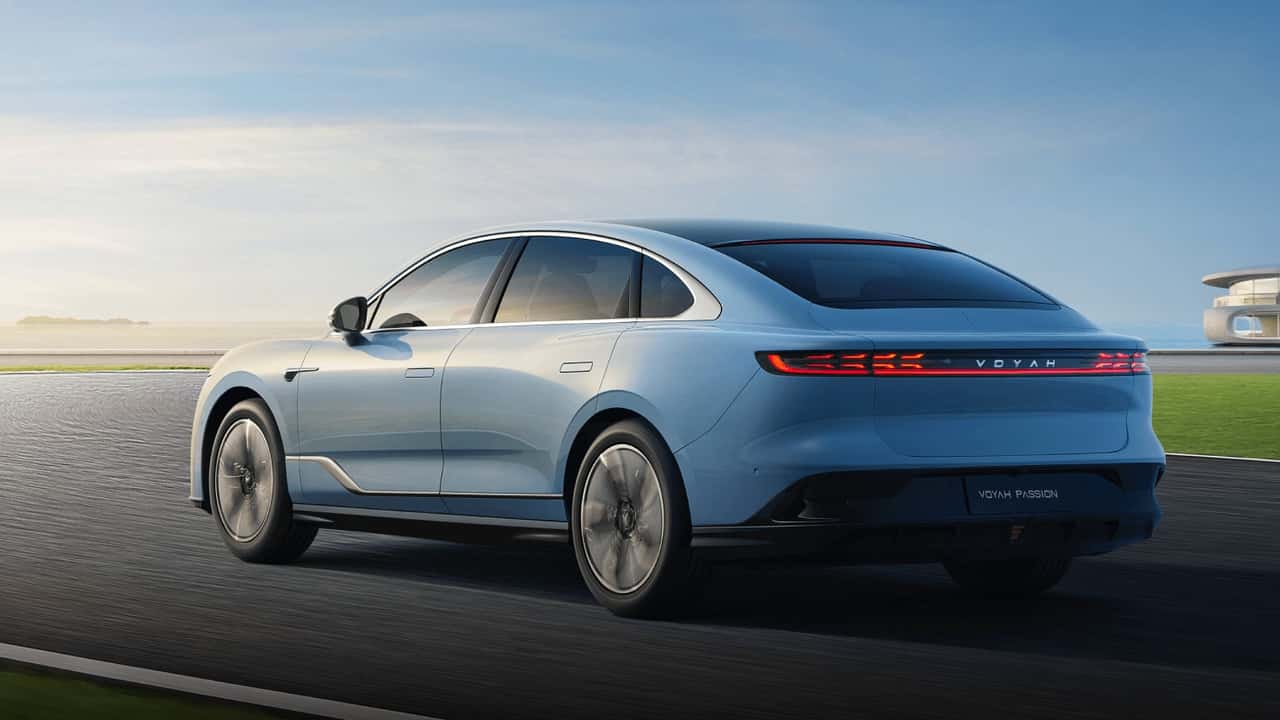
Stellantis, the multinational automaker behind Jeep, Ram, and Peugeot, is expanding its partnership with Chinese EV manufacturers across Europe. The company already produces Leapmotor vehicles at its plant in Spain and now plans to manufacture Dongfeng's Voyah electric vehicles at a French facility.
This two-pronged strategy reflects Stellantis' aggressive push to compete in the European EV market without bearing the full R&D and tooling costs alone. Leapmotor, which Stellantis acquired a controlling stake in, brings affordable EVs with solid range and battery technology. Voyah, Dongfeng's premium EV brand, targets higher-end buyers with technology-forward vehicles.
The move carries significant industry implications. European automakers face intense pricing pressure from Chinese competitors like BYD and NIO. By manufacturing Chinese-branded vehicles locally, Stellantis avoids EU tariffs on imported vehicles, keeps costs competitive, and utilizes existing production capacity. The France-based Voyah production leverages Stellantis' established supply chains and logistics.
For consumers, the strategy means more EV options at various price points. Leapmotor vehicles arrive as affordable, practical alternatives to legacy automakers' budget offerings. Voyah positions itself as a tech-forward competitor to premium brands like Tesla and Li Auto.
However, this approach raises questions about brand identity. Jeep and Ram dealers may hesitate to stock Chinese-branded EVs, potentially creating internal competition. Stellantis must balance growth with protecting its legacy brand equity.
The broader context shows European automakers fighting a multi-front war. Legacy players cannot match Chinese manufacturers' battery costs and production efficiency independently. Partnerships and joint ventures have become essential survival tactics. Volkswagen teams with Chinese partners. BMW expands Brilliance production. Ge