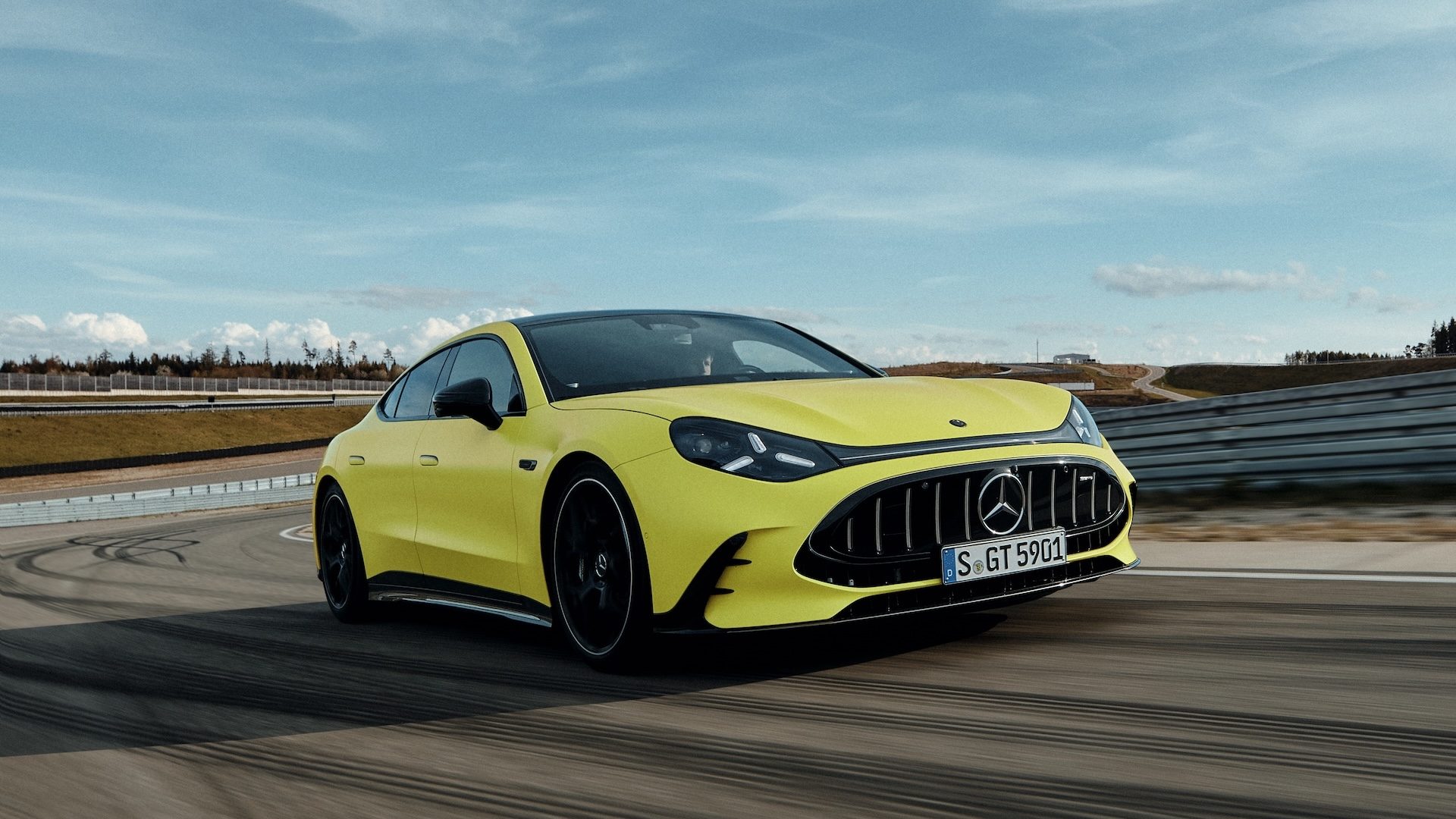
Mercedes-AMG refuses to abandon the horsepower arms race. The performance division's CEO confirmed that despite already fielding models exceeding 1,000 hp, the brand plans to continue escalating power outputs across its high-performance lineup.
This stance puts AMG squarely at odds with broader industry trends. Most manufacturers have shifted focus toward efficiency, electric powertrains, and handling refinement as regulations tighten globally. Yet Mercedes-AMG remains committed to raw acceleration figures and headline-grabbing power numbers.
The company already delivers this philosophy through the AMG GT 63 S E Performance, which combines a 4.0-liter turbocharged V8 with hybrid assistance to crack the 1,000 hp threshold. Adding even more power to future models suggests AMG will push this hybrid formula further, potentially targeting 1,200 hp or beyond in flagship variants.
This strategy addresses a specific customer base. Buyers shopping for AMG models prioritize visceral performance and engineering prestige. They want their vehicles to outaccelerate competitors and command attention. For these consumers, specs matter enormously.
The horsepower war also serves a marketing function. When BMW M, Porsche, and Lamborghini continuously upgrade their own power figures, remaining competitive demands matching or exceeding those numbers. AMG's public commitment signals that the division won't cede performance bragging rights to rivals.
However, the formula faces constraints. Emissions regulations will eventually force harder efficiency trade-offs. Tire technology and chassis engineering have limits. At 1,000 hp, mere grip determines acceleration, not engine output. Pushing beyond requires complete vehicle redesigns, not just tuning.
Mercedes-AMG's stance reflects confidence in its customer base and technology roadmap. The division believes enough buyers exist who will pay premium prices for maximum power, regardless of what's happening in