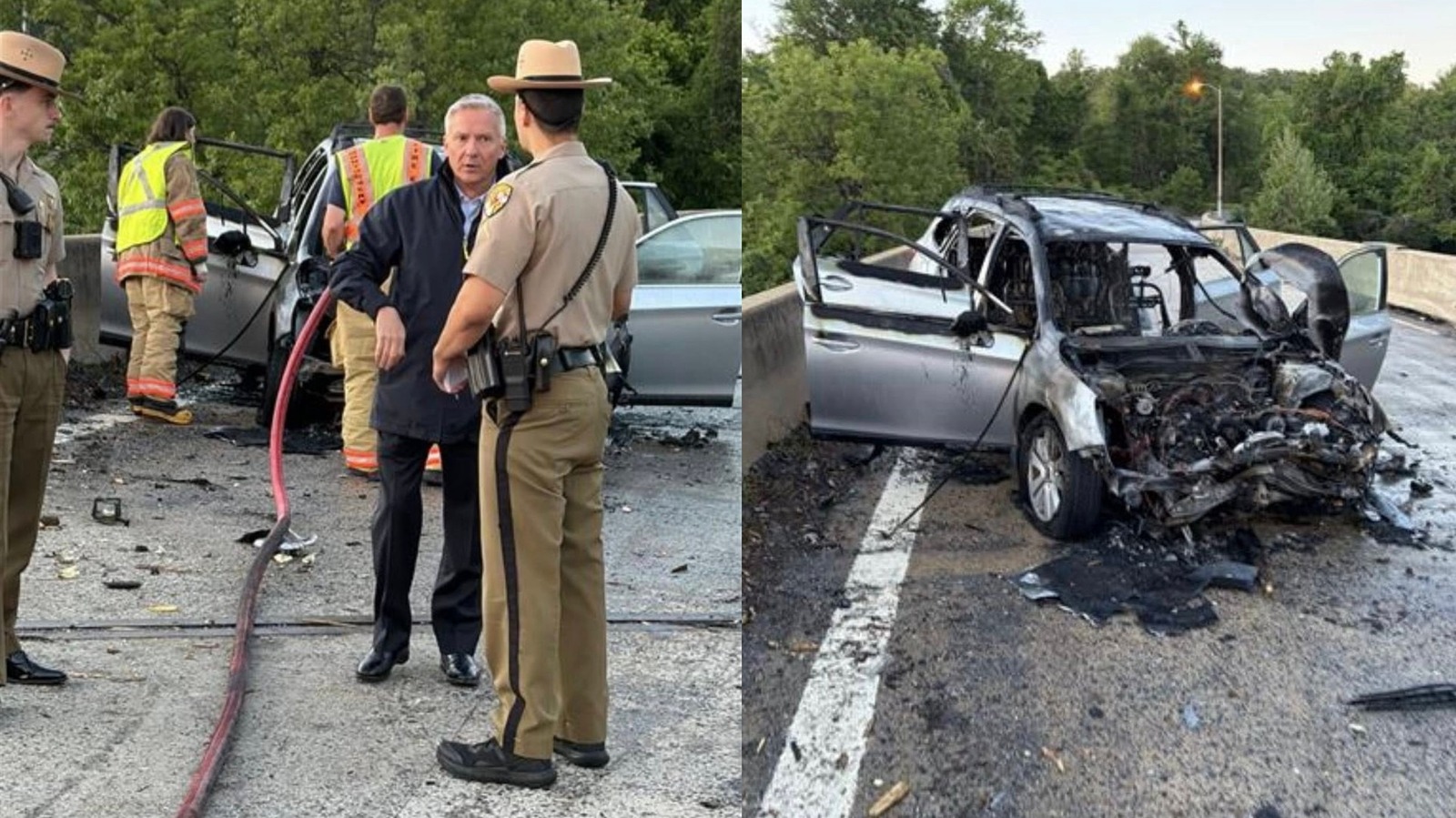
An NBC News reporter rescued a teenage driver from a burning vehicle seconds before it erupted in flames during coverage of a traffic incident. The reporter, stationed at the scene to cover breaking news, spotted the teen trapped in the wrecked car and immediately pulled the driver to safety. Moments after the rescue, the vehicle burst into flames and disintegrated, according to the reporter's account.
"The car exploded into 100 pieces. Not fire immediately, but pieces everywhere. And I thought, if that person survived, they need help fast," the reporter stated, describing the rapid sequence of events.
The quick intervention likely prevented serious injury or death. Emergency responders were present at the scene, but the reporter's immediate action proved decisive in those critical seconds between the driver's entrapment and the vehicle's catastrophic failure.
This incident underscores the unpredictable hazards of accident scenes. Vehicle fires can ignite and spread with alarming speed, particularly after severe collisions that compromise fuel systems and electrical components. Modern vehicles carry pressurized fuel lines and high-voltage battery systems that pose serious fire risks when damaged. The teenage driver faced extreme danger in those moments before extraction.
The rescue demonstrates situational awareness and courage under pressure. Rather than maintaining distance or waiting for emergency personnel to reach the vehicle, the reporter recognized the immediate threat and acted. Every second counted in this scenario.
Traffic incidents involving teenage drivers remain a public health concern. Young drivers, aged 16 to 19, show elevated crash rates compared to older age groups, according to traffic safety data. While the specific cause of this particular wreck remains unclear from available reports, the incident highlights why rapid emergency response and bystander intervention can mean the difference between survival and tragedy at accident scenes.