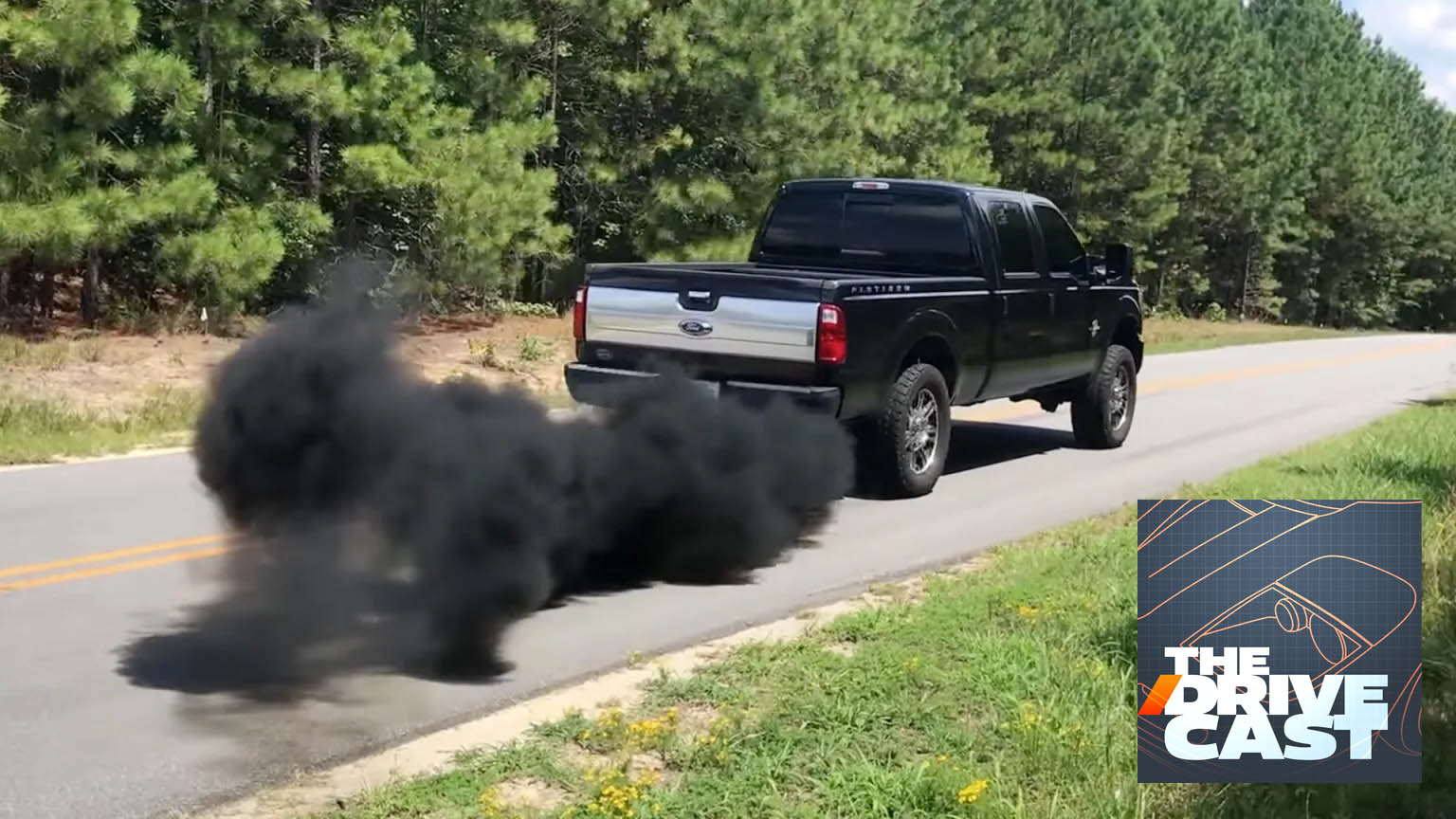
The Department of Justice is compiling a list of approximately 100,000 people who downloaded an OBD-II diagnostic app, targeting diesel truck owners who may have used the software to modify their vehicles. This represents a significant enforcement shift even as the EPA takes a reduced regulatory stance and President Trump has pardoned diesel tuners previously prosecuted for emissions violations.
OBD-II apps allow owners to read and clear engine codes through a vehicle's onboard diagnostic port. Diesel truck enthusiasts commonly use these tools alongside tuning software to increase horsepower and torque, but such modifications typically disable emissions controls and violate federal clean air laws. The EPA has historically pursued aggressive enforcement against diesel performance shops and owners, resulting in substantial fines and criminal charges.
The DOJ's data-gathering operation focuses on identifying individuals through app downloads, creating a potential enforcement database independent of EPA regulatory authority. This strategy sidesteps the current political climate where diesel tuning has gained sympathetic treatment. Trump's pardons of diesel tuners including John Deere hacker Eric Geissler signal reduced enthusiasm for aggressive clean air prosecutions at the executive level.
However, the DOJ action reveals that enforcement mechanisms remain active within the federal government. Prosecutors can pursue violations under the Clean Air Act regardless of EPA enforcement posture, and the department appears to be building cases proactively. The targeting of app users represents a shift from traditional shop-focused investigations toward individual owner identification.
For diesel truck owners, the implications are clear. Using OBD-II diagnostic software combined with performance tuning creates a documented digital trail. Downloads can be traced through app store accounts, device IDs, and payment information. Even passive data collection through apps creates actionable intelligence for federal investigators.
The diesel aftermarket community faces genuine legal jeopardy despite favorable political winds. While pardons and regulatory rollbacks offer temporary relief, the DOJ's apparent