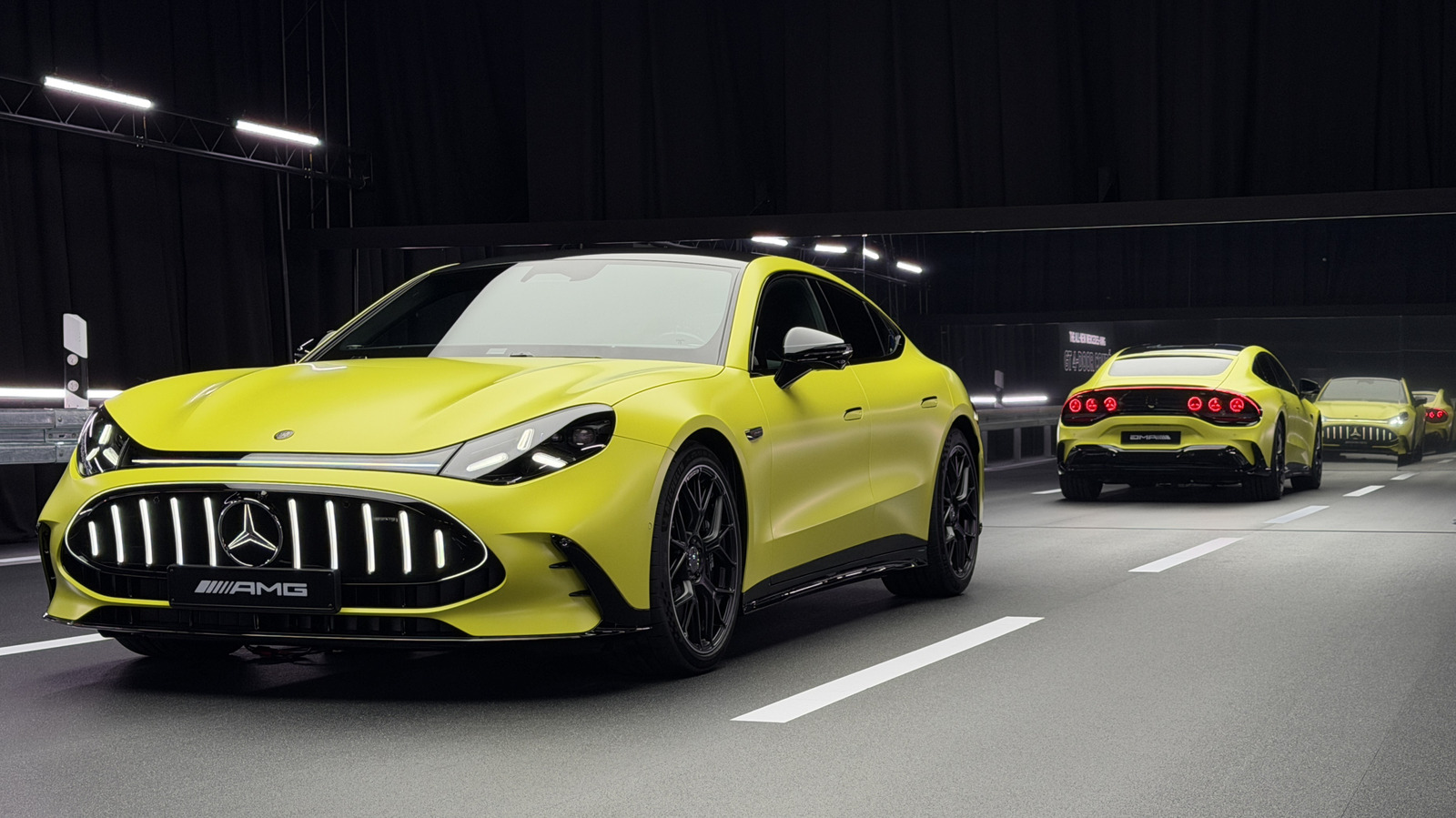
Mercedes-AMG's new GT 4-door coupe employs synthesized V8 engine sounds that go beyond typical EV audio masking. The German automaker developed what it calls AMGFORCE sounds, which deliver volume and complexity substantial enough to register as physical sensation in confined spaces.
The shift reflects how luxury and performance automakers approach electric powertrains. Rather than mimicking traditional engine note output, Mercedes engineered layered, intricate audio that creates genuine acoustic impact. This matters because EV ownership still carries psychological baggage for performance enthusiasts who grew up with combustion engines. Synthesized sound bridges that gap without resorting to tinny, artificial speaker-based notifications.
Competitors have tackled EV sound differently. BMW's i7 and i8 offered custom tones. Porsche's Taycan and 911 electric variants prioritized their own identity rather than nostalgia. Tesla largely dismissed the concept. Mercedes takes a different approach by making the GT 4-door's audio feel substantial and complex, not gimmicky.
The GT 4-door positions itself against Porsche Panamera and BMW M850i in the four-door grand touring segment. Those rivals now face pressure on the performance experience front. Electric powertrains already deliver instant torque and linear acceleration. Sound design becomes a differentiator.
AMGFORCE represents Mercedes betting that buyers care about the full sensory package, not just acceleration numbers. The audio technology supports brand positioning. Mercedes-AMG customers expect drama and presence. A silent electric motor doesn't deliver that expectation, regardless of acceleration times.
The trend signals broader EV maturity. Early electric cars focused purely on technology. Now automakers recognize performance cars need emotional connection. Sound engineering becomes as important as suspension tuning or steering feel. Mercedes understands that a GT requires an auditory identity matching its visual agg