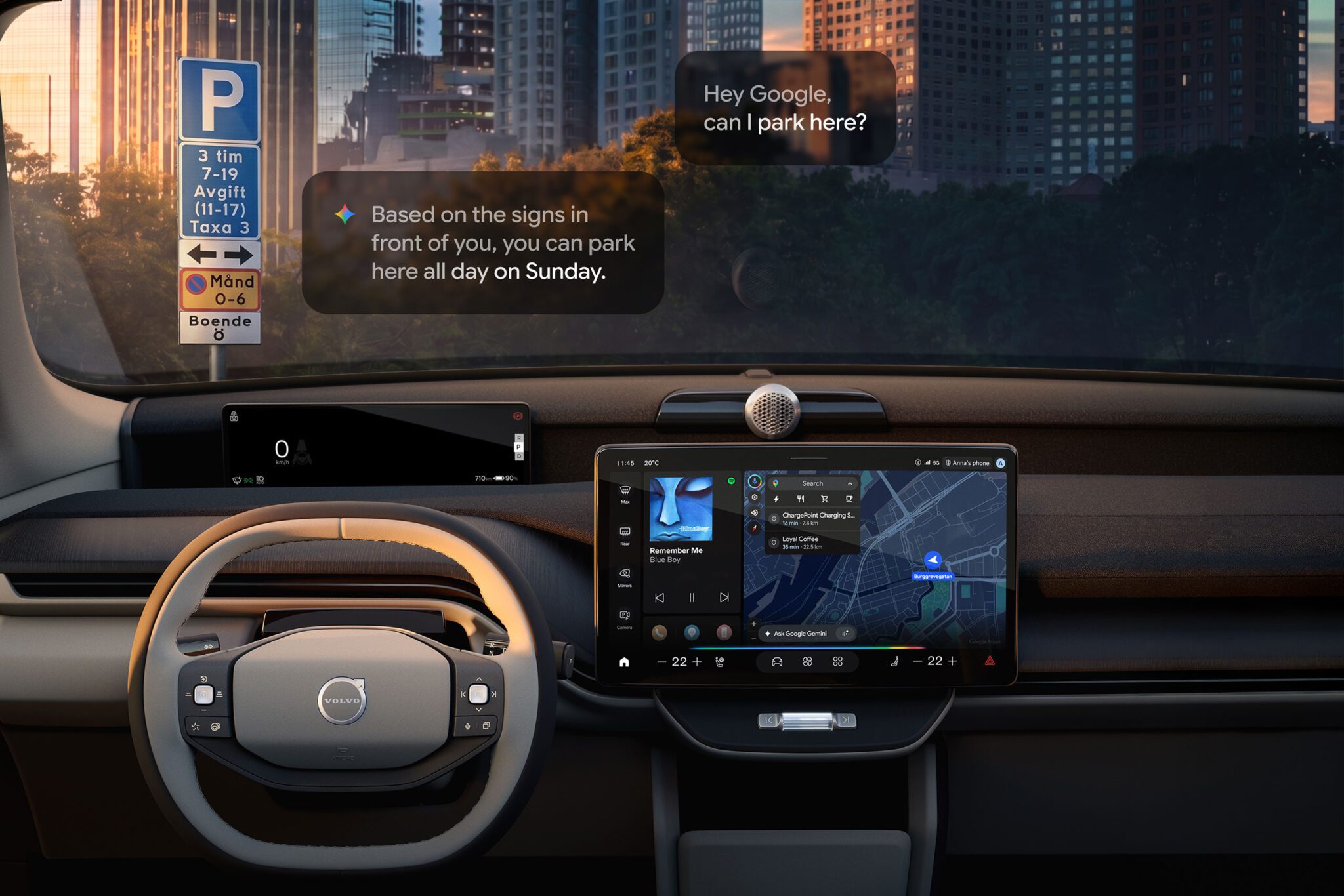
Volvo Cars and Google have demonstrated Gemini AI processing live camera feeds from the Volvo EX60 electric SUV. The integration marks the first time Google's multimodal AI model interprets real-time video data from a production vehicle's camera system.
The EX60, Volvo's midsize electric crossover, houses multiple cameras for driver assistance and autonomous features. By routing this camera feed through Gemini, the system can analyze road conditions, traffic patterns, and environmental hazards in real time. The AI interprets what the cameras see and converts that visual data into actionable insights for the driver or vehicle systems.
This partnership reflects the automotive industry's pivot toward AI-powered cockpits. Manufacturers increasingly embed generative AI into infotainment systems, but Volvo's approach goes deeper. Rather than limiting AI to chat functions or navigation suggestions, the company integrates it with the vehicle's perception layer. That means Gemini can describe traffic conditions, identify obstacles, or alert drivers to hazards based on actual visual input rather than processed sensor data alone.
Google's Gemini brings multimodal capability to the task. Unlike earlier AI systems trained solely on text, Gemini processes images, video, and text simultaneously. In a moving vehicle, that flexibility matters. The system can watch a dashboard camera, understand context from road signs, and respond to driver queries about what it observes.
The demonstration signals Volvo's strategy to differentiate the EX60 in a crowded EV segment. Competitors like BMW and Mercedes have announced AI integrations, but Volvo's real-time camera interpretation approach is more ambitious. It transforms cameras from passive safety components into active perception tools enhanced by generative AI.
Deployment timeline remains unclear. Volvo has not confirmed when this feature reaches production EX60 models or which markets get it first. The auto