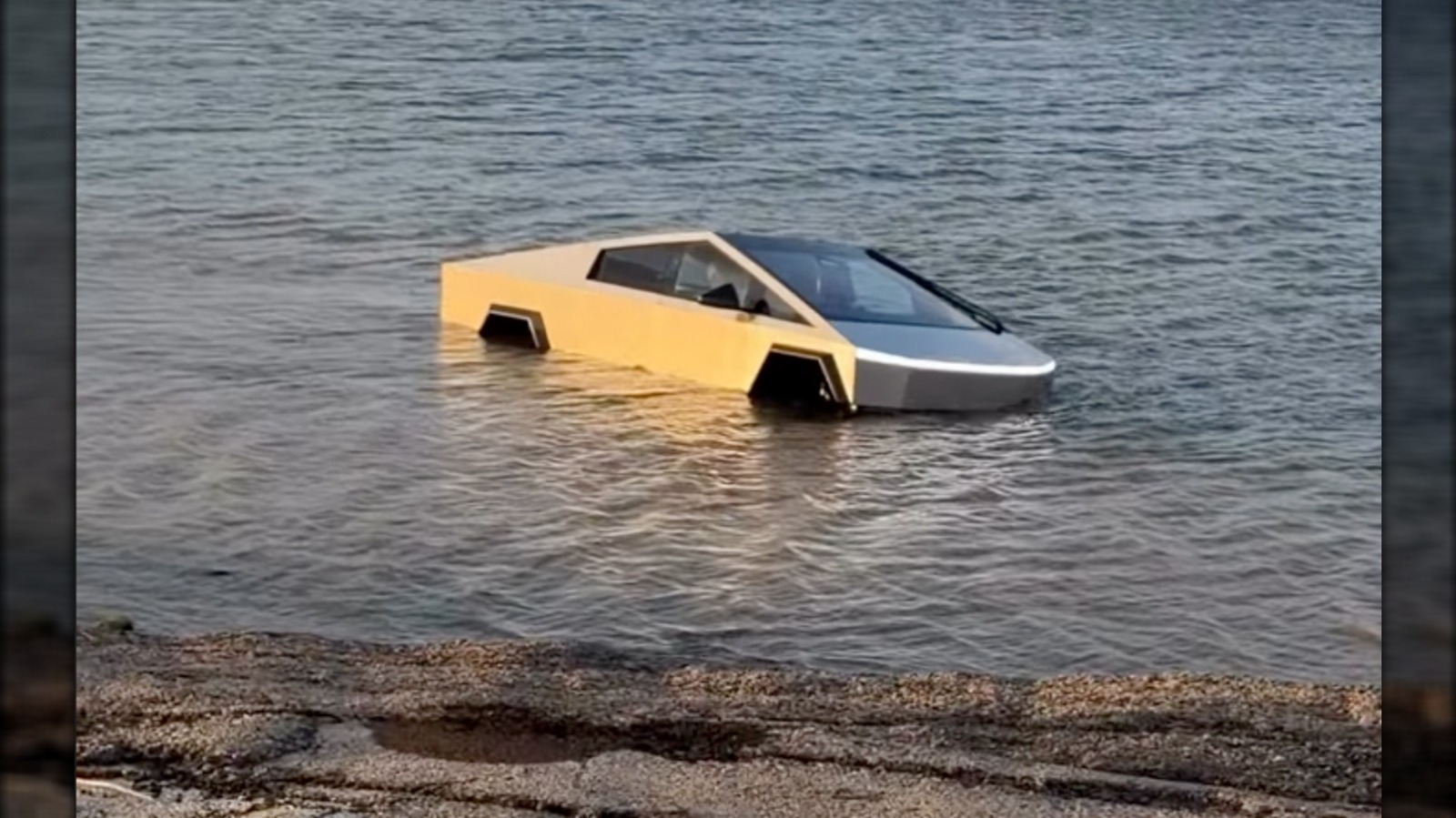
A Cybertruck driver in Florida attempted to drive through a lake using the vehicle's Wade Mode feature and ended up facing criminal charges. The driver took the electric truck into deep water, which caused the vehicle to flood and become inoperable. The Cybertruck filled with water, became electronically disabled, and had to be abandoned in the lake.
Wade Mode is Tesla's water-fording capability designed for shallow water crossings on designated off-road terrain. The feature allows the vehicle to seal certain openings and raise suspension to traverse shallow rivers or streams. It was never intended for deep-water navigation or lake driving.
The driver now faces multiple charges, including operating an unregistered vessel. Florida law requires boats and watercraft to carry valid registration. By attempting to navigate the truck through a lake, the driver technically operated a watercraft without proper licensing or registration, leading to criminal citations.
This incident exposes a dangerous misunderstanding of Wade Mode's actual capabilities and limitations. Tesla's specification sheets clearly state the feature works in shallow water crossings, not bodies of water deep enough to submerge the vehicle. The Cybertruck's sealed design cannot withstand the water pressure and infiltration of a lake environment.
The case highlights ongoing issues with owners pushing vehicle features beyond their engineering limits. Social media culture around new vehicles often encourages risky stunts that manufacturers never intended. Tesla's Wade Mode marketing has generated significant buzz, but this Florida incident demonstrates what happens when drivers treat it as a boat mode rather than a limited water-fording system.
The abandoned Cybertruck likely suffered catastrophic damage. Water intrusion into the battery pack and electrical systems renders these vehicles effectively total losses. Recovery and repairs would cost tens of thousands of dollars.