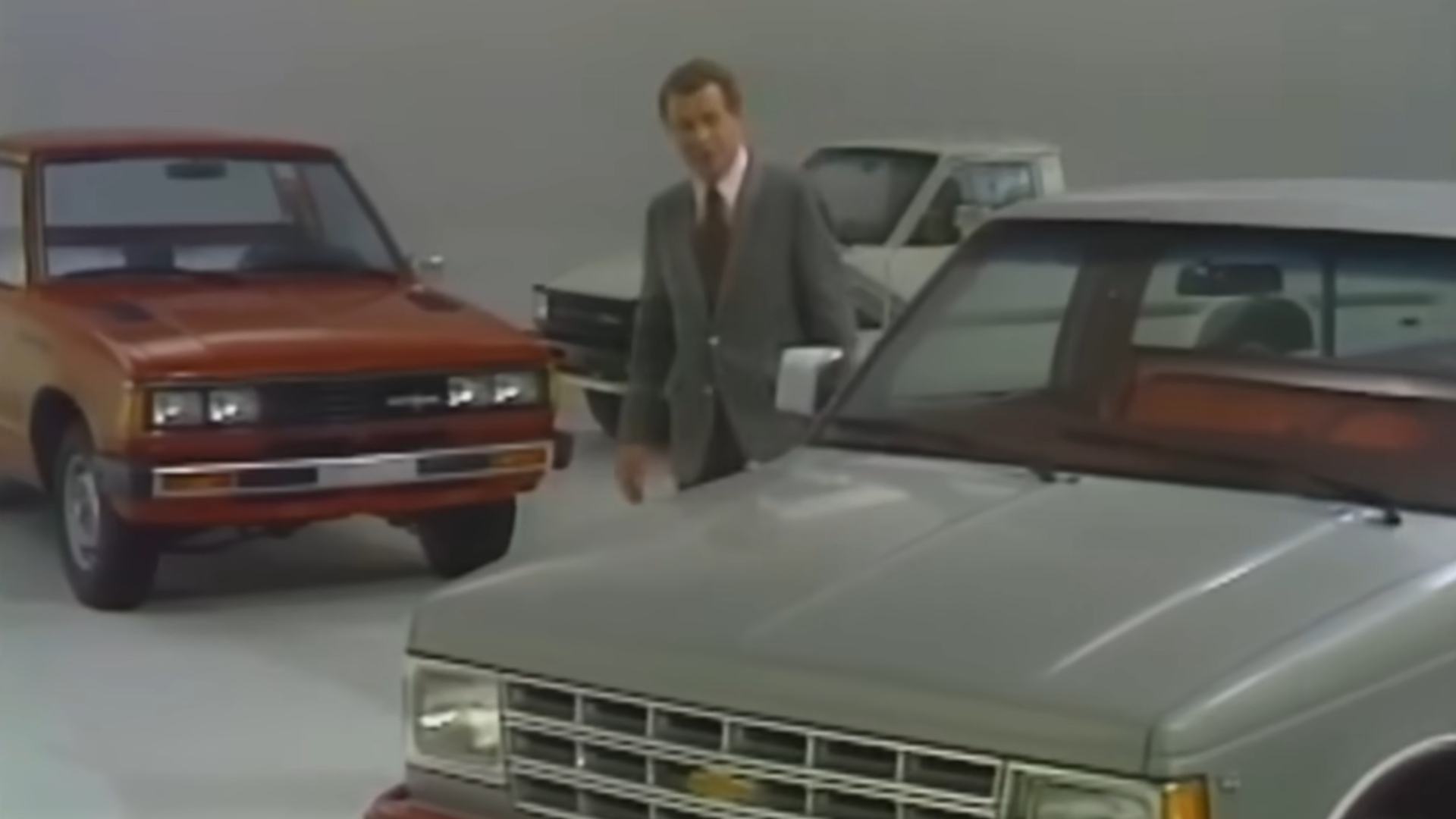
Regulatory compliance costs have effectively eliminated the compact pickup truck segment in America, leaving Ford's Maverick as the sole survivor in a market that once thrived with affordable, no-frills options.
Stricter emissions standards, fuel economy requirements, and safety regulations have made small truck production economically unviable for most manufacturers. Each new compliance mandate adds engineering complexity and manufacturing expense. For a vehicle segment operating on thin profit margins, these cumulative costs push the business case into red.
The Ford Maverick represents an anomaly. Launched in 2022, the truck starts around $20,000 and targets budget-conscious buyers who remember when compact pickups dominated truck lots. But even Ford struggles to achieve profitability on the segment. The company relies on supply constraints and limited production to maintain margins, essentially treating the Maverick as a halo product rather than a volume play.
Historically, the compact truck category included the Chevrolet S-10, GMC Sonoma, Dodge Dakota, Toyota Tacoma, and Nissan Frontier. Manufacturers phased out the domestically-built segments starting in the early 2000s as SUV crossovers became more profitable. Regulatory pressure accelerated this transition. Modern trucks must meet the same crash standards as full-size vehicles, yet engineers have less space to engineer crumple zones. Manufacturers must add expensive reinforcement materials and electronic safety systems.
Emissions compliance adds another layer. Small trucks now require expensive catalytic converters, particulate filters, and selective catalytic reduction systems originally designed for larger engines. These components don't scale down economically.
The result mirrors broader automotive consolidation. Manufacturers focus production on high-margin trucks and SUVs where regulatory costs represent a smaller percentage of the vehicle's price. A $70,000 Ram 1500 can absorb $8,000