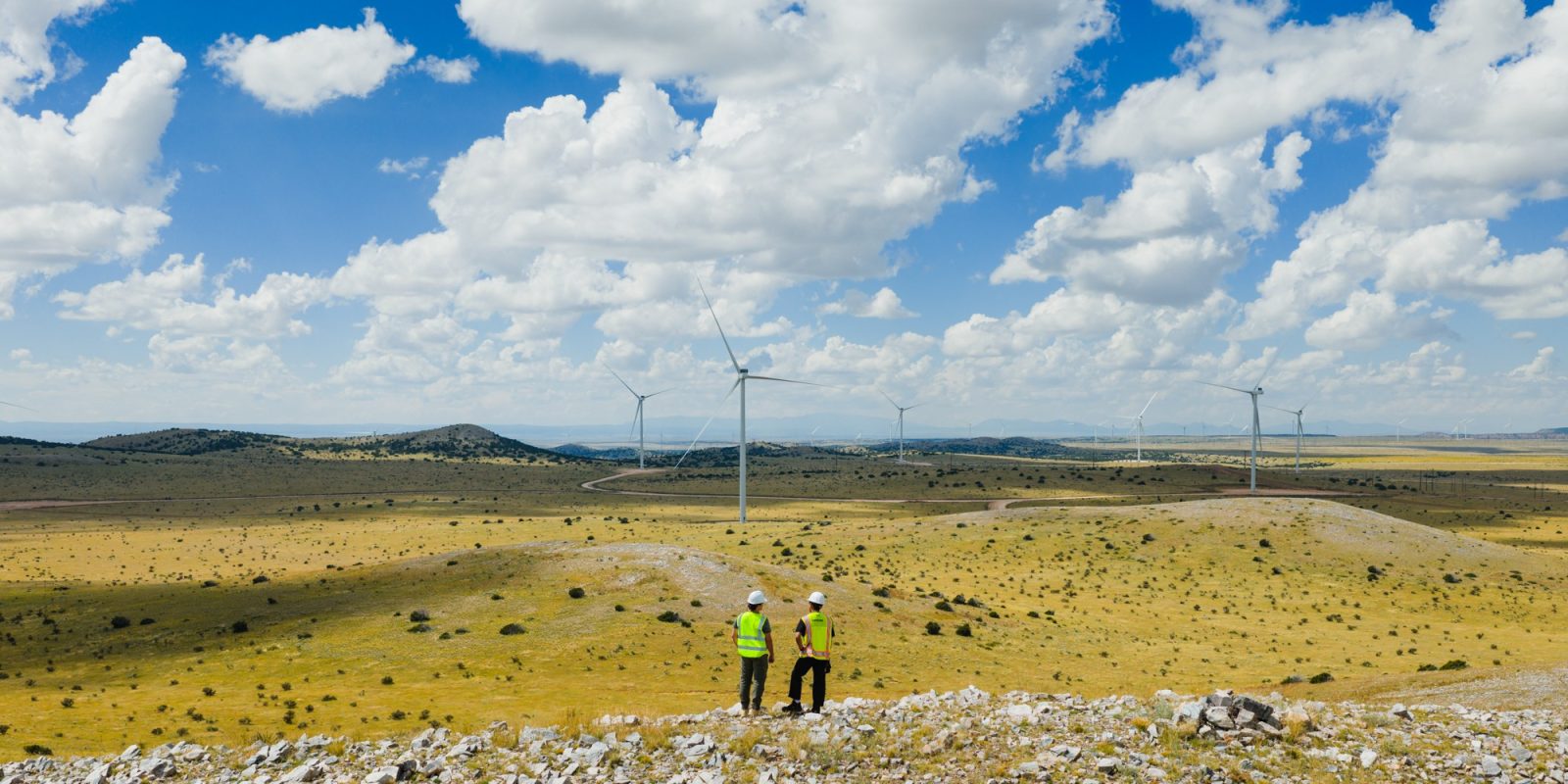
Wind and solar power plants generated more electricity than gas-fired facilities for an entire month for the first time in history. This April 2026 milestone marks a watershed moment in global energy transition, signaling that renewable energy has reached genuine grid parity in output terms, not just capacity.
The achievement reflects years of accelerating renewable deployment across Europe, Asia, and North America. Solar and wind installations have grown exponentially, driven by plummeting equipment costs and supportive government policies. Meanwhile, gas-fired generation has stagnated in developed markets as utilities retire aging plants and shift investment toward renewables.
Context matters here. Monthly comparisons matter less than annual trends, and renewables still face intermittency challenges that require backup power sources. Gas plants remain critical for stabilizing grids during windless, cloudy periods. Yet this milestone demonstrates the scale renewables have reached. A decade ago, hitting this number seemed distant. Now it's routine.
For automakers, this trend accelerates EV adoption calculations. Charging infrastructure fed increasingly by clean power strengthens the case for battery electrification. Manufacturers can credibly market EVs as lower-emission vehicles even as grid composition shifts. That confidence matters for consumer messaging and regulatory compliance under tightening emissions standards worldwide.
For energy companies, the writing is clear. Shell, bp, and others have committed hundreds of billions to renewable projects. Traditional utilities that resisted the transition face mounting pressure from investors and governments. Coal plants continue closing. Gas remains the swing fuel for now, but April's numbers show its days as a dominant baseload source are numbered.
The broader implication: Energy systems that powered the automotive industry for over a century are fundamentally restructuring. This reshapes competitive advantages. Battery makers and renewable energy firms gain leverage. Oil majors that ignore this shift face obsolescence. Automakers betting purely on internal combustion engines have already lost.
CATEGORY