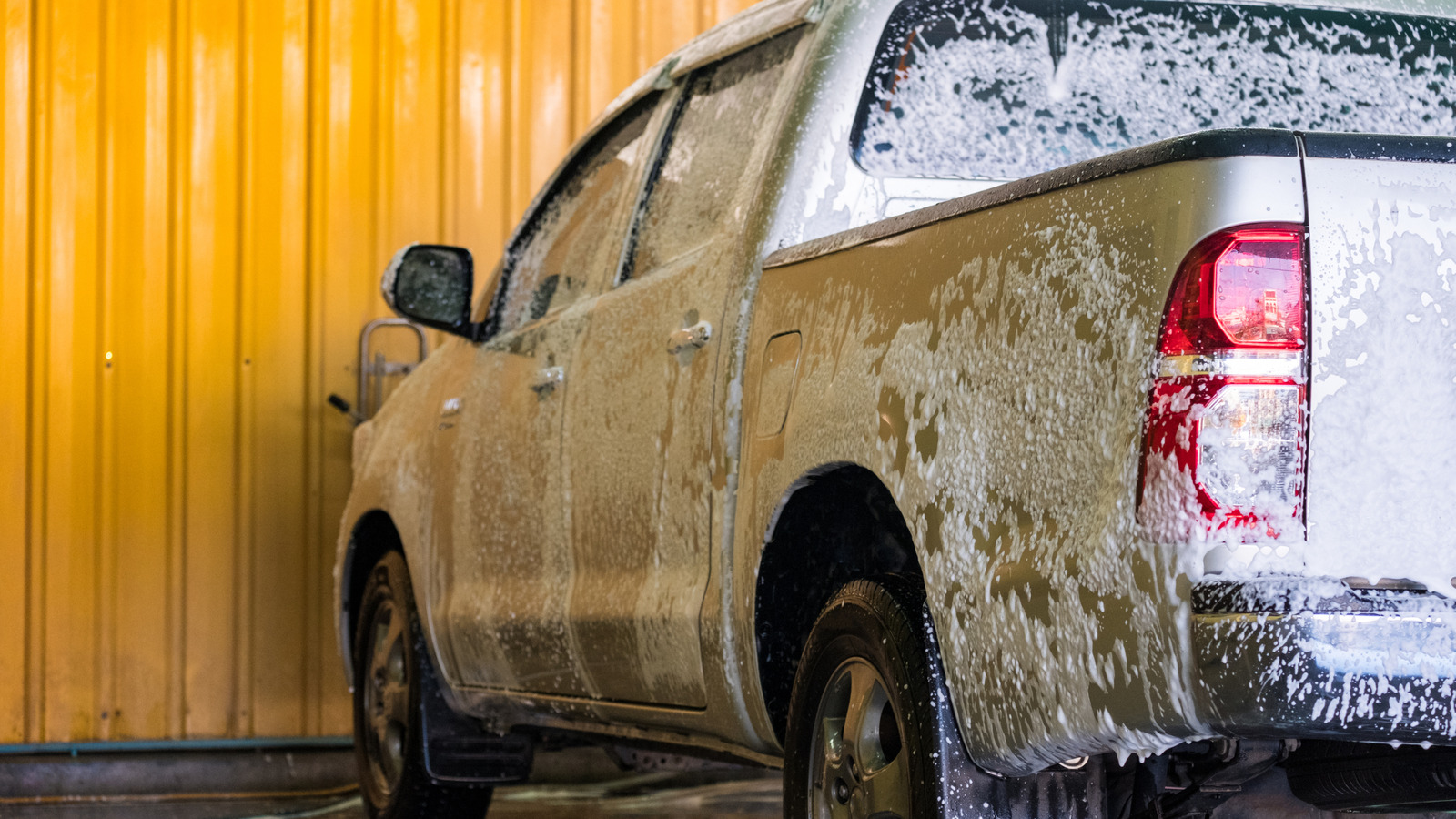
Tonneau covers create real problems in automatic car washes. The high-pressure spray and rotating brushes exert force directly on the cover's edges and seams, potentially tearing fabric or warping rigid panels. Water can infiltrate gaps between the cover and truck bed, pooling inside your truck bed or seeping into electrical components and storage areas. Soft tonneau covers suffer the most damage from aggressive wash cycles.
Manual hand washing is the safest approach. It gives you control over water pressure and spray direction. Avoid pointing the nozzle directly at seams or edges where water enters. If you must use an automatic wash, choose the gentlest cycle available. Some truck owners opt for touchless washes that use only high-pressure jets without brushes, though these still risk water intrusion along the cover's perimeter.
Hard tonneau covers, especially fully rigid models, tolerate car washes better than fabric alternatives. However, even solid covers can trap water underneath during the wash process. Allow the cover to dry completely afterward, or manually wipe dry seams and attachment points.
The real issue surfaces when water gets trapped inside the truck bed itself. This leads to rust, mold growth, and potential corrosion of tie-down cleats and other hardware. Electronics mounted under tonneau covers face moisture damage too.
Most tonneau cover manufacturers recommend against automatic car washes. Check your specific cover's documentation for guidance. If you own a truck bed cover, budget for periodic manual washes and spot cleaning instead. Regular maintenance by hand prevents expensive water damage claims down the road and keeps your tonneau cover functioning properly for years.