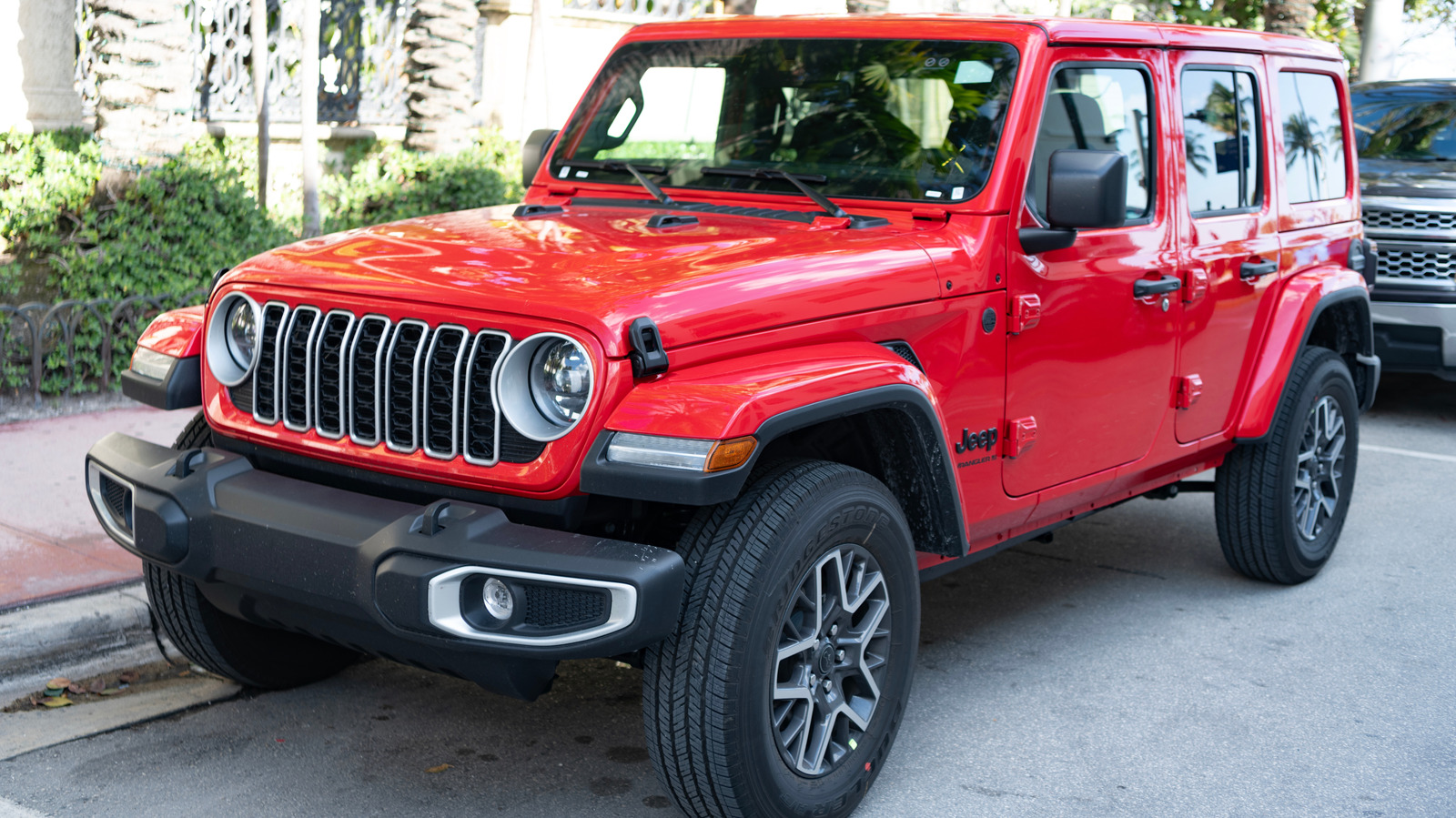
Jeep officially classifies the Wrangler as an SUV, but the automotive community is openly questioning that designation. The debate centers on whether the Wrangler's traditional body-on-frame construction, removable doors, and open-air design fit the modern SUV category or belong in a different class entirely.
The Wrangler's lineage traces directly to the military Willys MB and civilian CJ models. That heritage defines the vehicle. It retains a separate frame, minimal sound deadening, and capability built for serious off-road work rather than on-road comfort. Traditional truck-style frames support the entire structure, unlike unibody SUVs that integrate the body and frame.
Jeep's SUV label reflects current marketing realities. Consumers recognize "SUV" as a family vehicle category. Calling the Wrangler a truck risks losing buyers seeking car-like amenities. Yet Wrangler owners often argue the vehicle belongs alongside trucks and off-road specialists, not family crossovers and comfort-focused models.
The argument reveals deeper confusion in the automotive industry about vehicle categories. Modern SUVs blur traditional boundaries. Some are built on truck platforms. Others use car platforms. The Wrangler sits apart from both approaches, occupying a unique space it has held for decades.
Removable doors highlight this distinction. No mainstream SUV offers this feature. Neither do trucks, typically. The Wrangler's modular design reflects its true nature as an open-frame utility vehicle designed for terrain conquest.
Owners embrace this identity fiercely. Wrangler buyers specifically want a capable, no-frills machine they can customize and modify. They choose this vehicle precisely because it differs from conventional SUVs. The online debate essentially reflects a disconnect between corporate classification and the actual nature of what owners drive.
Jeep faces a