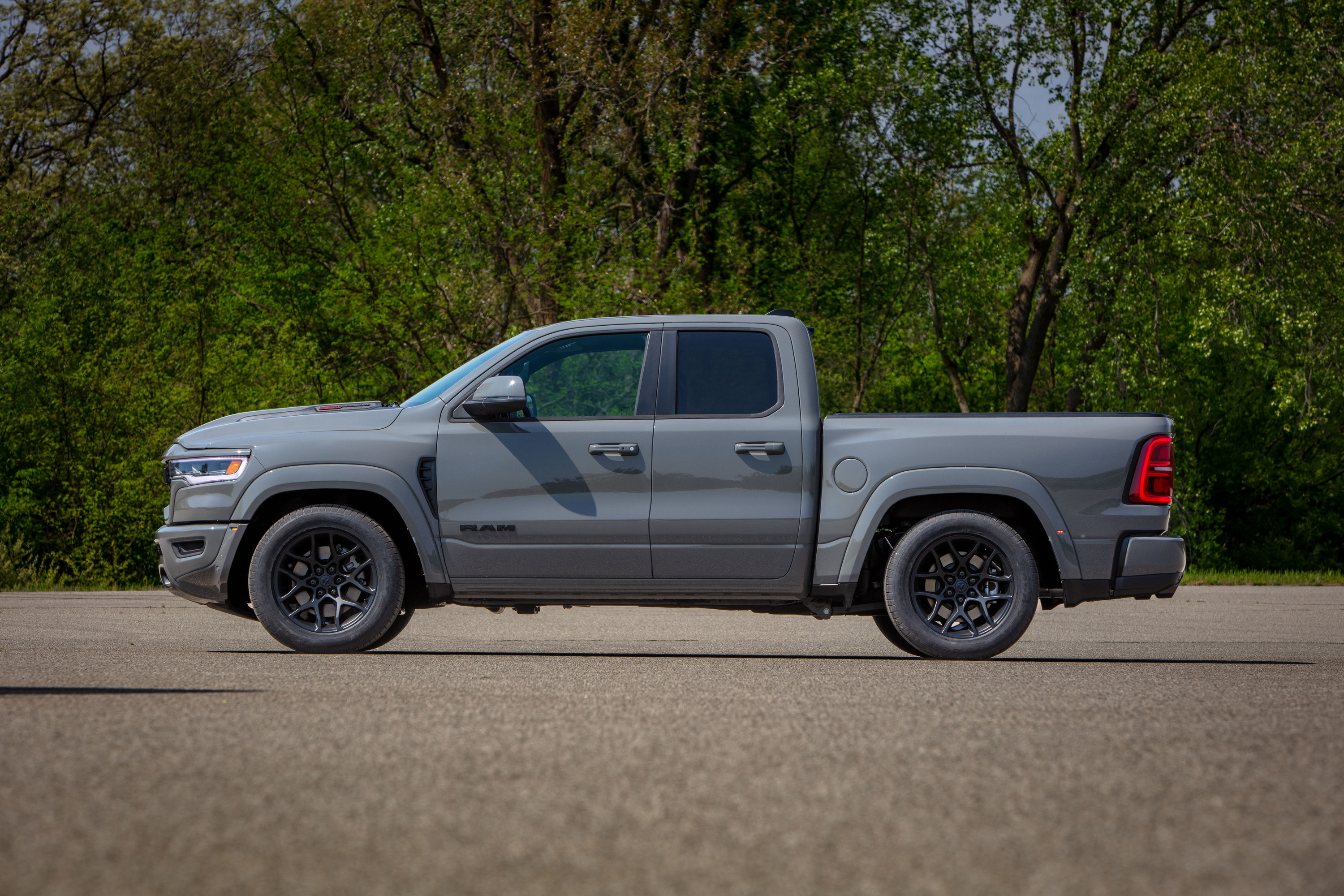
Ram's Rumble Bee performance truck concept could drop 300 pounds if the automaker built it as a single-cab configuration instead of the crew-cab layout that dominates today's truck market. The weight savings would come from eliminating the rear passenger seats and associated structural components, making the truck leaner and more agile for a performance-focused audience.
The reality, however, exposes a stubborn market truth. Consumers have abandoned single-cab trucks almost entirely. Crew cabs now represent the overwhelming majority of pickup sales because buyers want versatility, seating for family or work crews, and resale value. A single-cab Rumble Bee would deliver better power-to-weight metrics and sharper handling dynamics, but it would languish on dealer lots.
Ram faces a genuine bind. The Rumble Bee aims to inject performance credibility into the truck segment, competing directly against Ford's F-150 Raptor and Chevrolet's Silverado ZR2. Yet the market that would most appreciate a lighter, quicker truck simply does not exist anymore. Single-cab trucks represent a niche within a niche, relegated mostly to commercial fleets or budget-conscious buyers. The enthusiasts who crave a 300-pound weight reduction want a modern, comfortable cab with contemporary technology and seating flexibility.
This constraint shapes modern truck design fundamentally. Automakers cannot optimize for pure performance when crew-cab configurations lock in extra mass and dictate proportions. The Rumble Bee's performance credentials become compromised by the reality that buyers will not accept a skinny, utilitarian single-cab truck, no matter how quick it is.
Ram could theoretically offer a single-cab Rumble Bee as a limited run or build-to-order option, but the economics do not work. Developing separate tooling and configurations for a handful