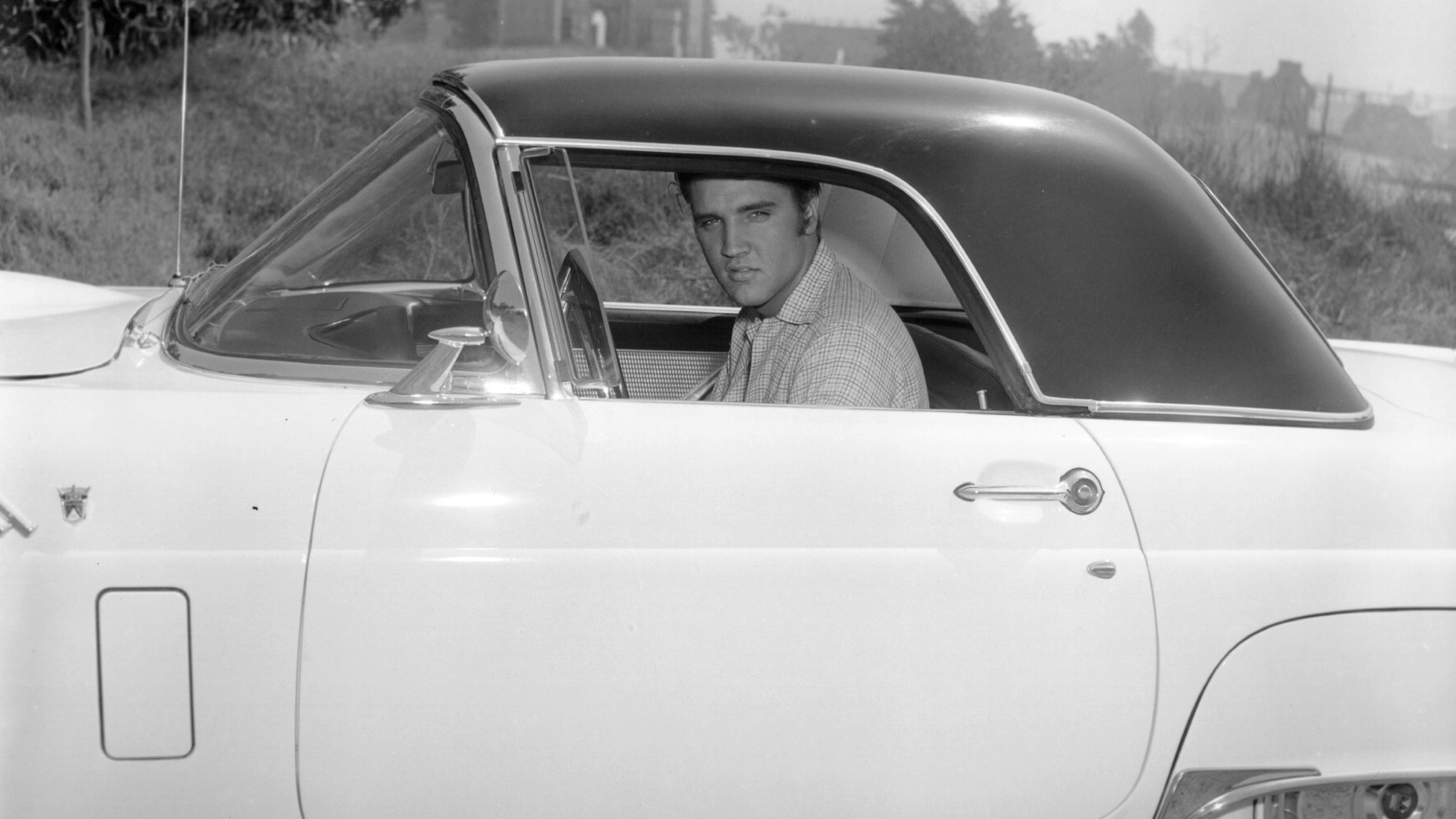
Jalopnik surveyed readers about which historical figures they'd want as road trip companions, and the results reveal telling preferences about how enthusiasts view automotive culture and personality.
Presidents dominated the responses. Abraham Lincoln, Theodore Roosevelt, and John F. Kennedy topped the list. Roosevelt's appeal makes intuitive sense for a car-focused audience. The former president was known for vigorous outdoor pursuits and adventurous spirit. Kennedy's popularity likely stems from his association with the charismatic 1960s and iconic vehicles like his Lincoln Continental.
Musicians placed second. Elvis Presley, David Bowie, and Prince each garnered significant votes. These figures represent different eras of cultural rebellion and creative risk-taking, qualities that resonate with enthusiasts who view driving as personal expression. Elvis's connection to American car culture through his Memphis mansion and film roles gave him particular traction.
The survey reveals how gearheads project personality onto their machines and road trips. Readers didn't simply choose the most historically important figures. They selected people who embodied adventure, nonconformity, or cultural impact. A ride with Lincoln or Roosevelt promises conversation about American history and philosophy. A trip with Bowie or Prince suggests eccentricity and creative energy.
What's notably absent matters too. Few respondents chose military figures, industrialists, or inventors, despite their historical weight. The automotive community values style and charisma over pure achievement or technical contribution. That preference shapes how the industry markets vehicles today. Manufacturers still sell aspiration and personality alongside horsepower and handling dynamics.
The exercise taps into something fundamental about driving culture. A car represents freedom, choice, and identity. The person beside you in that car becomes part of that narrative. Historical figures become co-stars in an imagined road movie, their presence lending meaning to the journey itself.