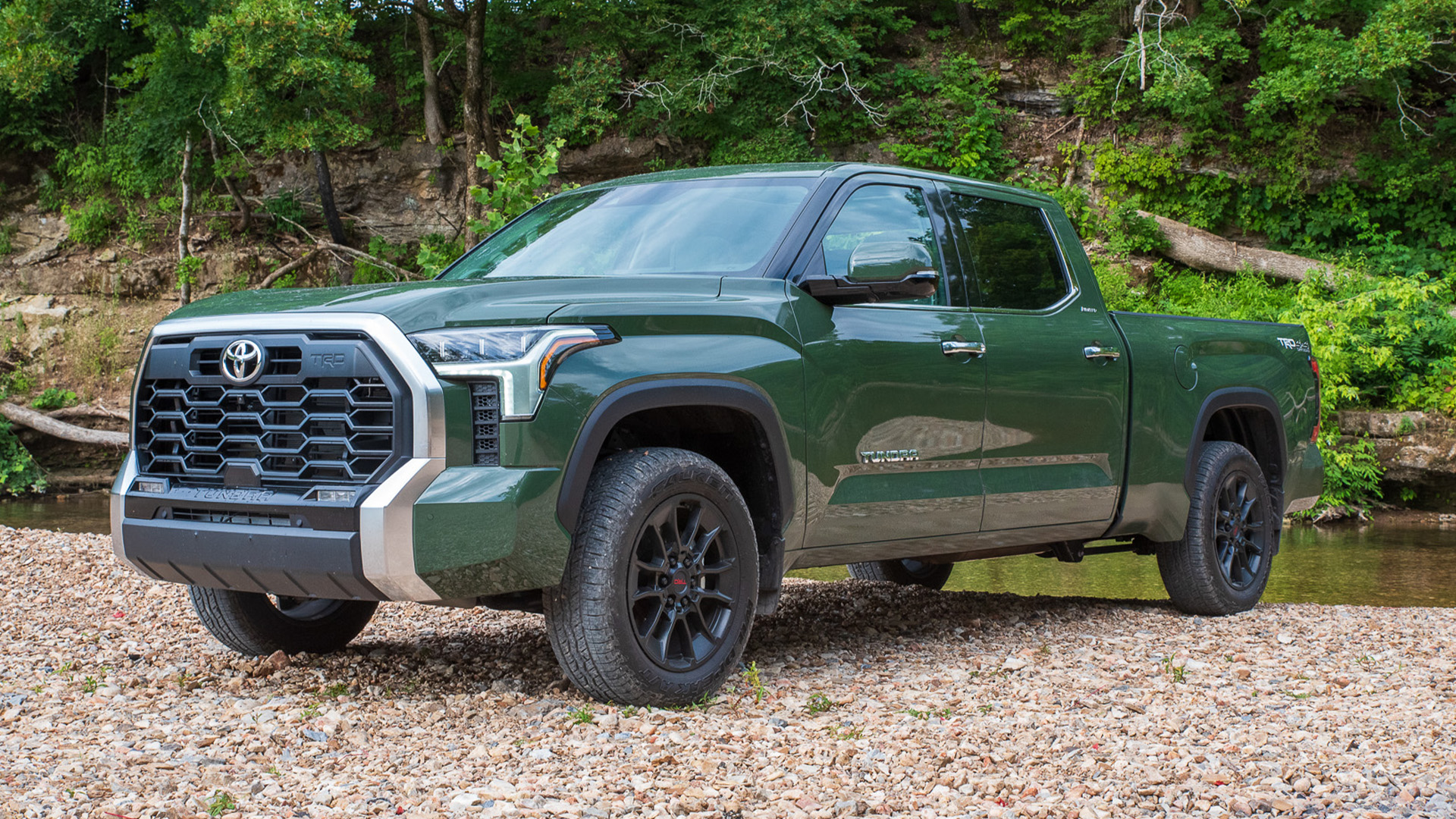
Toyota's turbo V6 engine recall has ballooned to over 250,000 trucks, with the automaker continuing to add 2024 Tundra models to the affected list. The issue stems from machining debris left inside engines during manufacturing, a persistent problem that Toyota has yet to fully resolve across its production line.
The expanding recall centers on Toyota's new turbocharged 3.5-liter V6 engine, which powers the current-generation Tundra pickup truck. Machining debris—small metal particles created during engine block and head machining processes—can lodge in oil passages and cause catastrophic engine failure. Owners report complete loss of engine function, with some vehicles failing shortly after purchase.
This recall has grown incrementally over several months as Toyota identified additional VINs within affected production batches. Each expansion suggests the manufacturing contamination issue affected a broader swath of trucks than initially disclosed. The 2024 model year remains the primary target, though earlier model years with the turbo V6 may also be affected.
Toyota's remedy involves engine replacement, a time-consuming and costly fix that requires dealers to source replacement powerplants. This has created significant warranty work backlogs at Toyota dealers nationwide, leaving owners without trucks for extended periods.
The turbo V6 represents a major shift for the Tundra, replacing the previous naturally aspirated 5.7-liter V8. Toyota touted the new engine for improved fuel economy and performance, but the manufacturing defect has tainted the engine's reputation before most owners could properly evaluate it. Competitors like Ford's F-150 and Chevrolet's Silverado 1500 use proven powerplants without similar manufacturing issues.
The recall demonstrates quality control failures in Toyota's engine manufacturing process, a particularly damaging problem given the brand's reputation for reliability. Owners