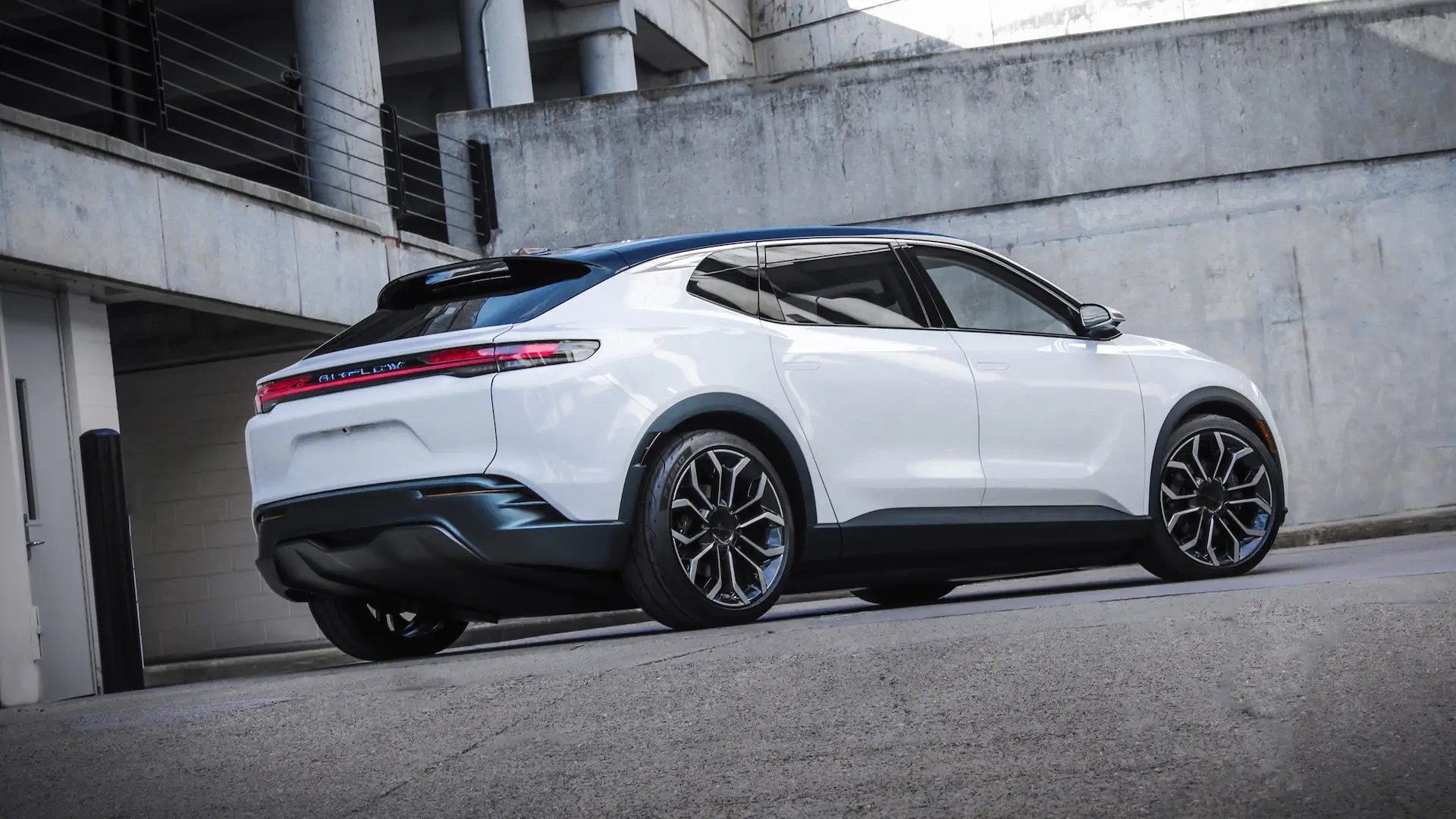
Chrysler faces a brand perception problem, and the automaker is betting on three affordable SUVs to escape its minivan reputation. The company plans to launch the Airflow midsize crossover and two Arrow compact SUVs, all priced under $40,000, by 2030.
This strategy targets a critical market gap. Chrysler's lineup has shrunk dramatically over the past decade as it exited sedans and compact cars entirely. The Pacifica minivan remains the brand's volume seller, but it cannot sustain a modern automaker fighting for relevance against Toyota, Honda, and Hyundai.
The Airflow enters a brutal segment dominated by the Toyota RAV4, Honda CR-V, and Hyundai Santa Fe. These vehicles move millions annually across North America. Chrysler's execution matters here. The RAV4 starts near $30,000 and sits atop reliability ratings. The Santa Fe undercuts on features and pricing while improving quality perception faster than established players expect.
The two Arrow compact SUVs address the subcompact crossover space, where the Honda HR-V, Toyota Corolla Cross, and Hyundai Kona compete fiercely. Subcompacts now represent a growing slice of the market as first-time buyers and budget-conscious shoppers resist sedan prices for more versatility.
Pricing below $40,000 signals aggressive positioning. Chrysler must undercut rivals on value while maintaining acceptable warranty coverage and dealer support. The brand's recent reliability ratings remain soft compared to Japanese competitors, so price alone cannot carry these vehicles.
Timing also matters. A 2030 arrival means these vehicles launch in a landscape where electric powertrains dominate mainstream thinking, yet the subcompact and midsize crossover segments still run mostly on gasoline and hybrids. Chrysler's portfolio