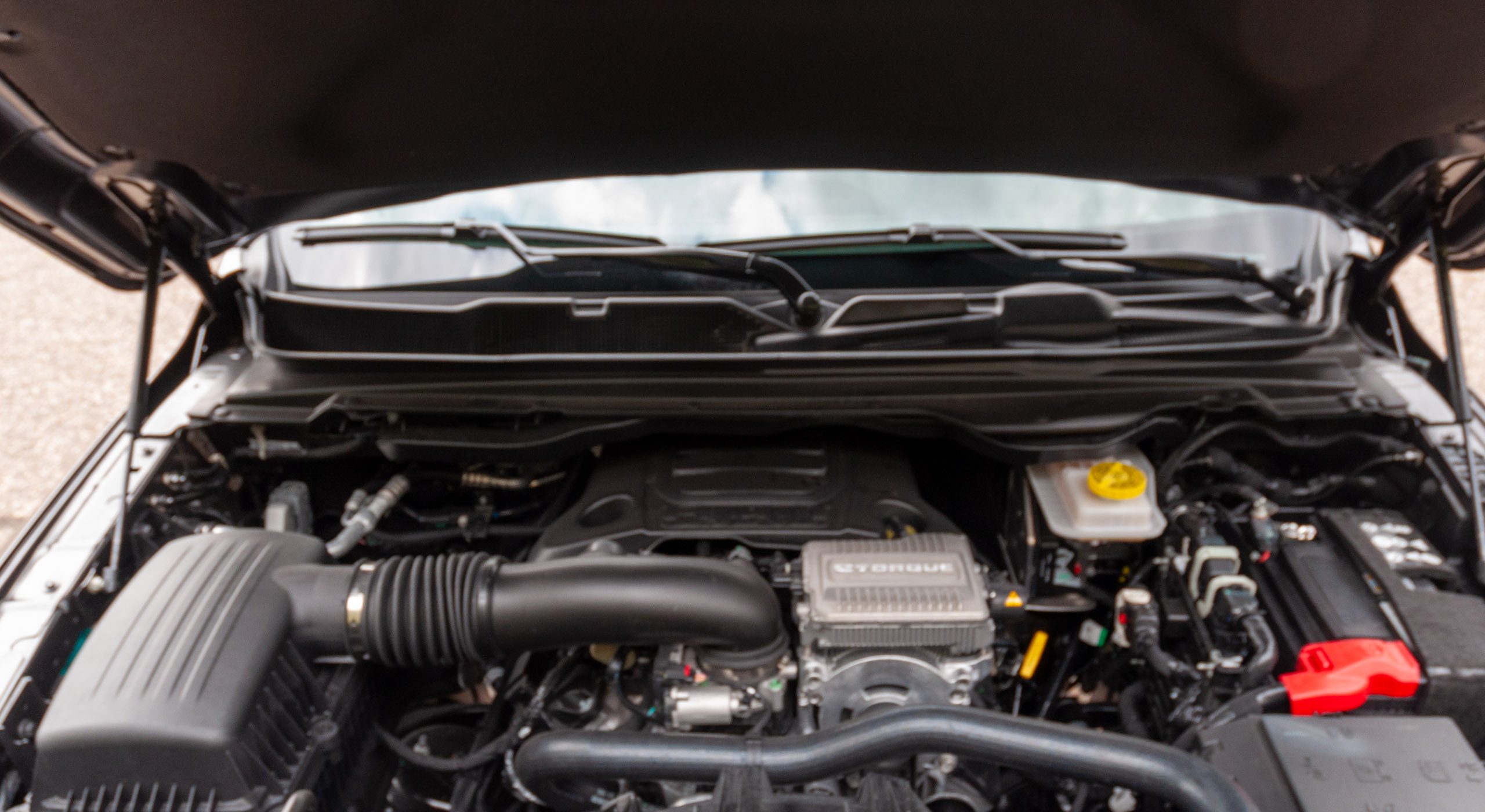
Stellantis' leadership recognizes a hard truth about the American pickup market. Forty percent of truck buyers will not consider a brand that lacks a V8 engine option, according to the company's CEO. This reality explains Ram's decision to bring back the Hemi V8 before Dodge revived its own big-displacement engine.
The insight underscores a stubborn consumer preference that persists even as the industry shifts toward electrification and downsized powerplants. Pickup truck buyers, particularly those shopping full-size models, view V8 availability as table stakes for brand credibility. Whether they actually purchase a V8 variant matters less than knowing the option exists.
Ram's Hemi return reflects this psychology. The engine signals capability, power, and tradition to a truck-buying base that values heritage and proven performance. Stellantis recognizes that abandoning the V8 entirely would alienate a massive segment of its most profitable customers.
The timing reveals industry pragmatism. While Ford, General Motors, and others develop electric trucks and hybrid alternatives, none have eliminated V8 options entirely from their full-size lineups. The F-150, Silverado, and Ram 1500 all offer V8 engines because losing that option would cede sales to competitors.
This doesn't mean the pickup market rejects efficiency or electrification. Rather, buyers want choice. They demand traditional powertrains remain available while the industry experiments with new technologies. A truck buyer might select a diesel or hybrid for fuel economy, but that same buyer wants to know a V8 exists if circumstances change.
Stellantis faces pressure on multiple fronts. The company must meet emissions regulations, satisfy shareholders demanding EV growth, and retain loyal truck customers unwilling to abandon V8 nostalgia. The Hemi's return solves that tension momentarily, keeping