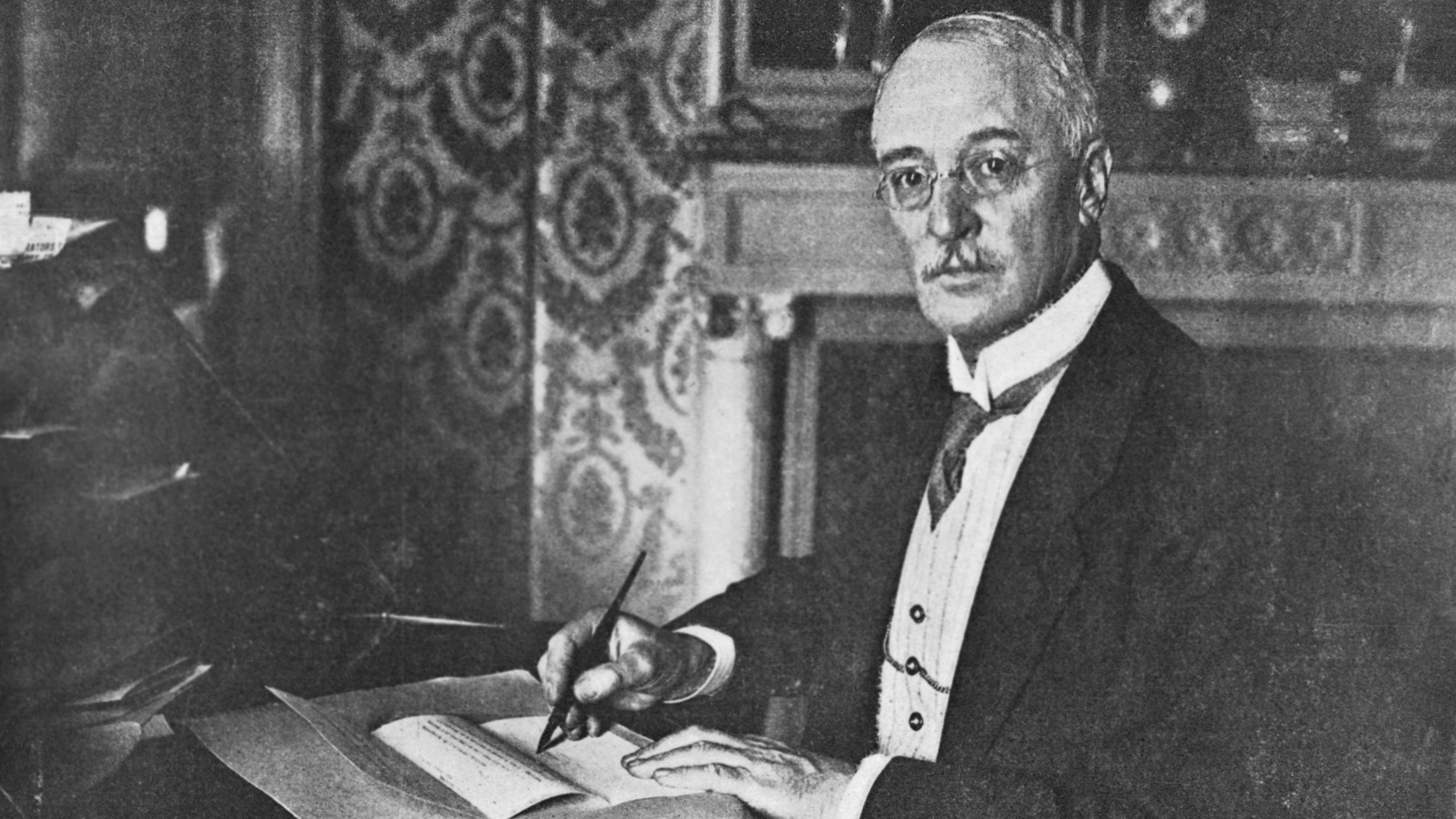
Rudolf Diesel, the German engineer who invented the compression-ignition engine bearing his name, disappeared from a Channel steamer between Antwerp and Harwich on September 29, 1913. He was 58 years old. His body washed ashore ten days later off the Belgian coast.
The official ruling attributed his death to suicide, citing financial troubles and depression. Diesel's engine business faced mounting pressures as patents expired and competitors entered the market. Personal correspondence revealed stress over failed business ventures and dwindling fortune.
Yet alternative theories persist. Some historians argue Diesel had enemies. Industrial rivals stood to benefit from his removal. German naval officials wanted exclusive rights to his engine technology for military vessels. Competitors in the petroleum industry viewed diesel engines as a threat to their monopolies. A few researchers have even suggested murder disguised as an accident or suicide.
The lack of a thorough autopsy fueled speculation. Authorities conducted minimal investigation before concluding suicide. No suicide note was ever found. Diesel's last recorded words to fellow passengers were mundane and gave no indication of suicidal intent.
What matters is that the diesel engine survived its creator's mysterious fate. Today, diesel powerplants dominate commercial trucking, shipping, rail transport, and industrial applications worldwide. Over a century later, Diesel's compression-ignition principle remains fundamental to global commerce.
Diesel engines deliver superior torque and fuel economy compared to gasoline counterparts. They power everything from Cummins-equipped Ram trucks to massive ocean freighters. The technology that made Diesel's name worth fighting over continues reshaping transportation.
The truth behind Diesel's vanishing remains unresolved. Whether suicide, accident, or foul play, his death marked a transition from inventor to legend. The engine bearing his name outlasted him by generations and continues defining heavy-duty propulsion standards across continents.