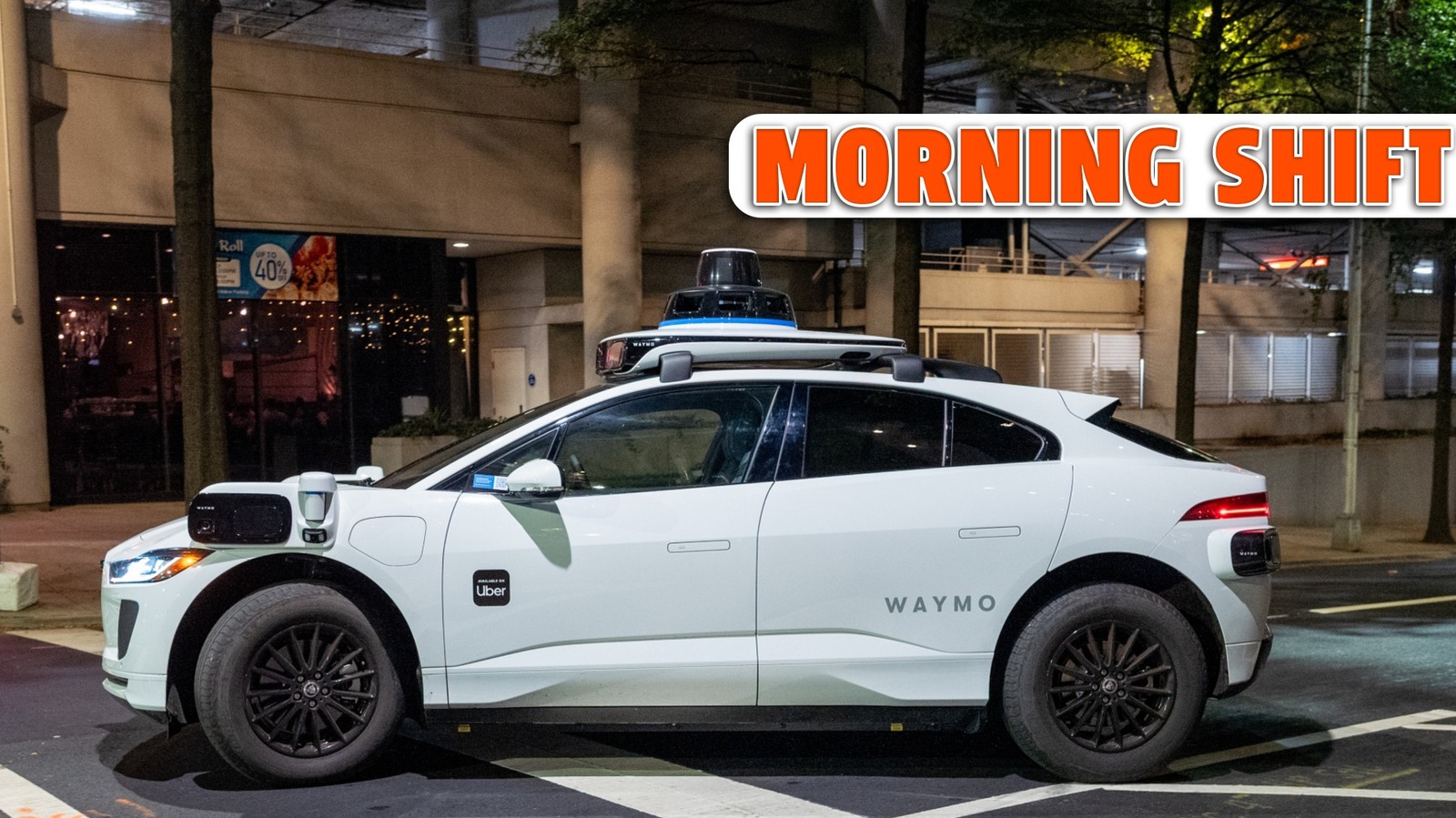
Waymo has suspended highway autonomous driving operations across the United States and halted all driverless services in Atlanta, citing safety concerns. The move represents a significant pullback for the company that has positioned itself as the leader in autonomous vehicle commercialization.
The pause on highway operations affects Waymo's existing robotaxi services in multiple markets. The company had been expanding its driverless taxi operations in cities like San Francisco, Phoenix, and Los Angeles, but highway segments required different operational parameters than urban environments. Waymo determined that its current systems need refinement before continuing highway deployments.
The Atlanta shutdown marks a complete exit from that market. Waymo had launched services there but now faces unresolved safety questions that warranted full operational cessation rather than a partial service reduction. This decision underscores mounting pressure on autonomous vehicle operators to demonstrate that their technology handles real-world complexity reliably.
Safety concerns in autonomous driving center on edge cases and unpredictable human driver behavior that machine learning systems must navigate. Highways introduce higher speeds, longer sight lines, and different traffic patterns than urban streets. Waymo's systems excel in controlled city environments with predictable pedestrian patterns, but highway driving demands different decision-making frameworks.
The suspension comes amid broader regulatory scrutiny of autonomous vehicle programs nationwide. Recent accidents involving self-driving vehicles have intensified questions about deployment timelines and safety validation protocols. Competitors like Cruise (owned by General Motors) have faced similar operational restrictions following incidents that exposed gaps in their safety frameworks.
Waymo's move signals that even the most advanced autonomous fleets cannot simply expand into new driving environments without substantial additional testing and validation. The company plans to continue development work to address the identified safety gaps, but no timeline for resuming highway operations has been announced.
This pullback, while temporary, reflects the reality that commercializing fully autonomous vehicles at scale requires solving problems that go beyond