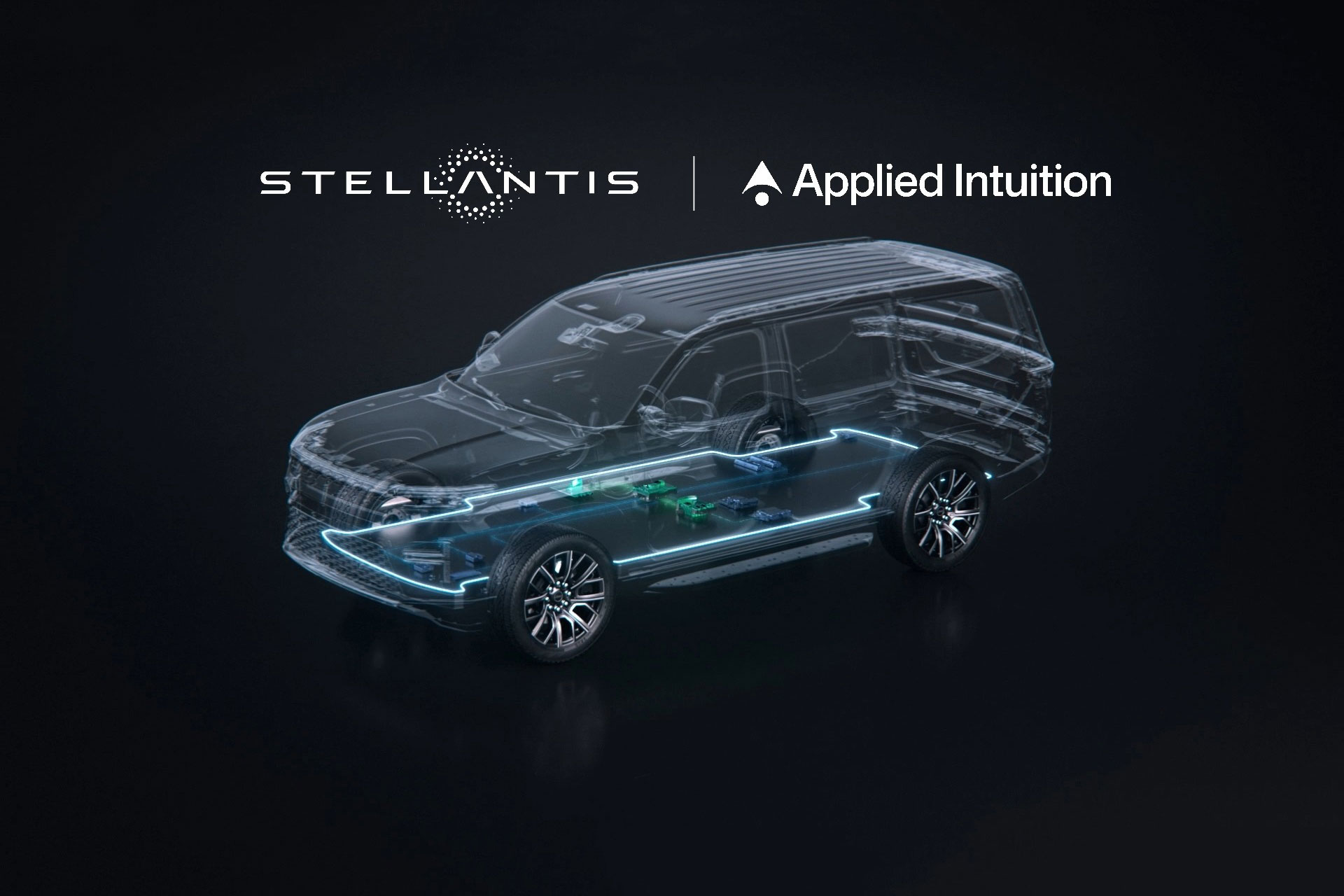
Stellantis is doubling down on its partnership with Applied Intuition, the autonomous vehicle software specialist. The automaker will expand its use of Applied Intuition's Vehicle OS platform to accelerate development timelines and bring vehicles to market faster.
Vehicle OS handles the complex infrastructure that modern vehicles require, from hardware abstraction layers to simulation environments. Instead of building this foundational software from scratch, Stellantis uses Applied Intuition's pre-built platform, reducing redundant engineering work across the company's portfolio brands like Jeep, Ram, Peugeot, and Opel.
This extension signals Stellantis' commitment to software-defined vehicles. The automotive industry faces mounting pressure to develop autonomous and semi-autonomous features while keeping development costs contained. Applied Intuition's platform addresses that pain point by providing a standardized toolset that multiple teams can share, rather than each division recreating the same infrastructure independently.
The deal reflects broader consolidation in automotive software supply. As traditional automakers compete with Tesla and new EV startups on autonomous capabilities, many have outsourced critical software layers to specialized firms. Blackberry, Waymo, and Mobileye all provide similar foundational software to competing manufacturers.
Applied Intuition, backed by major venture capital firms, has built a strong customer base among legacy automakers trying to modernize their software stacks. The extended partnership with Stellantis, the world's 14th largest automaker by volume, validates the company's technology approach and provides revenue stability during a period when automotive software demand remains volatile.
For Stellantis specifically, faster development cycles mean quicker responses to market shifts and competitive pressure. In an industry where vehicle generations once took five to seven years to develop, compressed timelines offer real advantages. Extended partnerships also reduce the risk of disruption from supplier changes or technology shifts mid-program.
CATEGORY