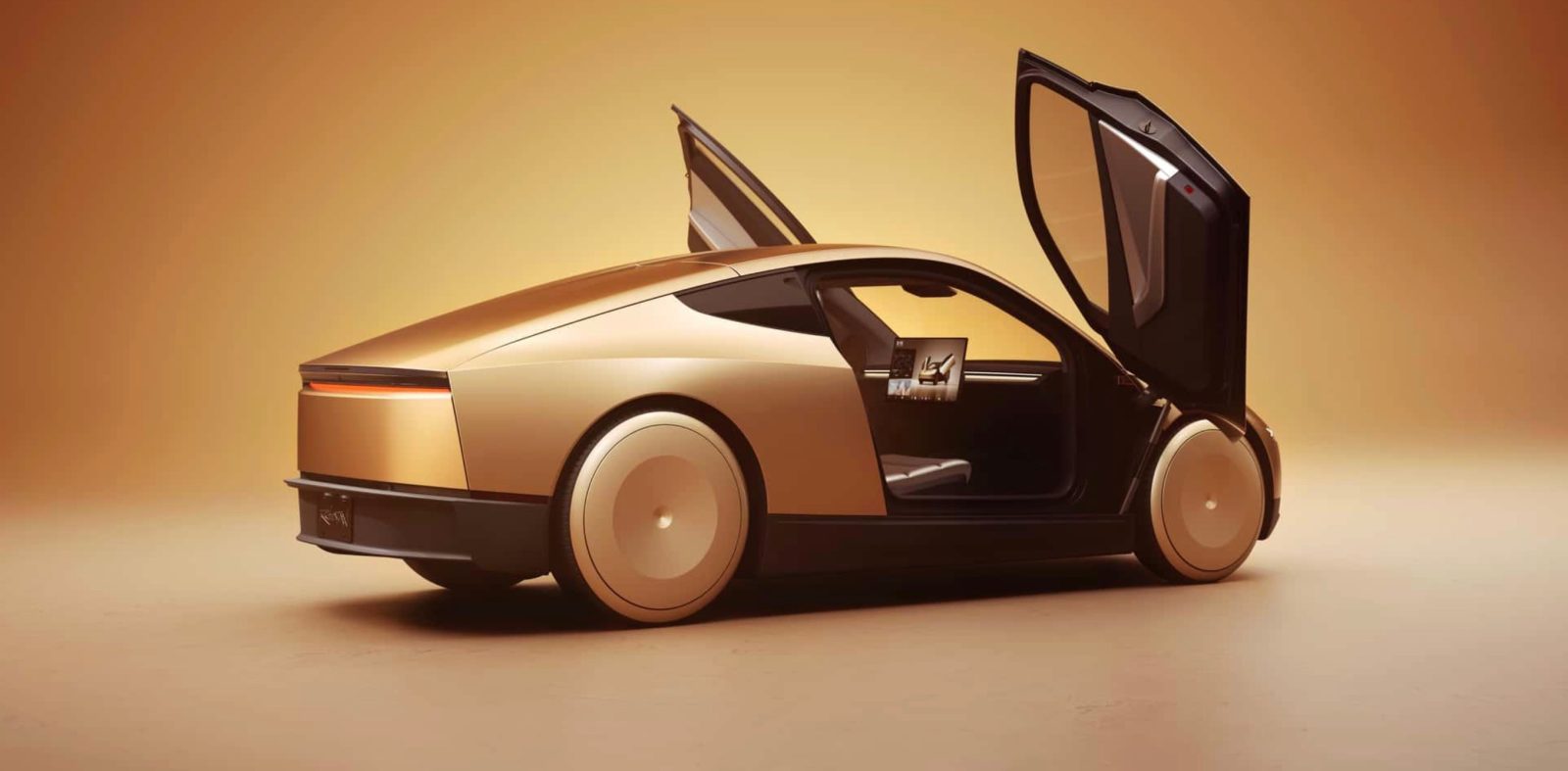
Tesla's Cybercab achieves 165 Wh/mi, the lowest energy consumption of any production EV. The Lucid Air Pure, the next most efficient vehicle, burns 28% more energy per mile. Tesla VP of Vehicle Engineering Lars Moravy confirmed this as a certified rating, not marketing spin.
The accomplishment carries a critical caveat. Tesla engineered this efficiency through radical compromises. The Cybercab is a two-seat robotaxi with no steering wheel, no pedals, and a sub-50 kWh battery. It strips away everything drivers expect from a traditional vehicle to hit this number.
This reveals a fundamental industry truth. Efficiency benchmarks mean little without context. A 165 Wh/mi vehicle is worthless if it cannot haul passengers to their actual destinations or perform real-world duties. The Cybercab targets a specific use case: autonomous ride-sharing in dense urban environments where distance per trip stays short.
Tesla's engineering choices make practical sense for that mission. Removing driver controls, steering columns, and pedal assemblies saves weight and aerodynamic drag. The tiny battery reflects the expected range for short hops between pickup and dropoff points. Every design decision optimizes for one metric. efficiency, rather than versatility.
The comparison to the Lucid Air misleads anyway. The Air is a premium sedan with five seats, a full cabin, and sufficient range for highway driving. Different vehicles, different purposes. Comparing their Wh/mi ratings ignores why they exist.
Tesla's Cybercab efficiency matters for robotaxi economics. Lower energy consumption cuts per-mile operating costs and improves profitability. For Tesla's autonomous fleet strategy, this number justifies the design. For consumers buying a vehicle to drive themselves, the Cybercab offers nothing.
The real story here is