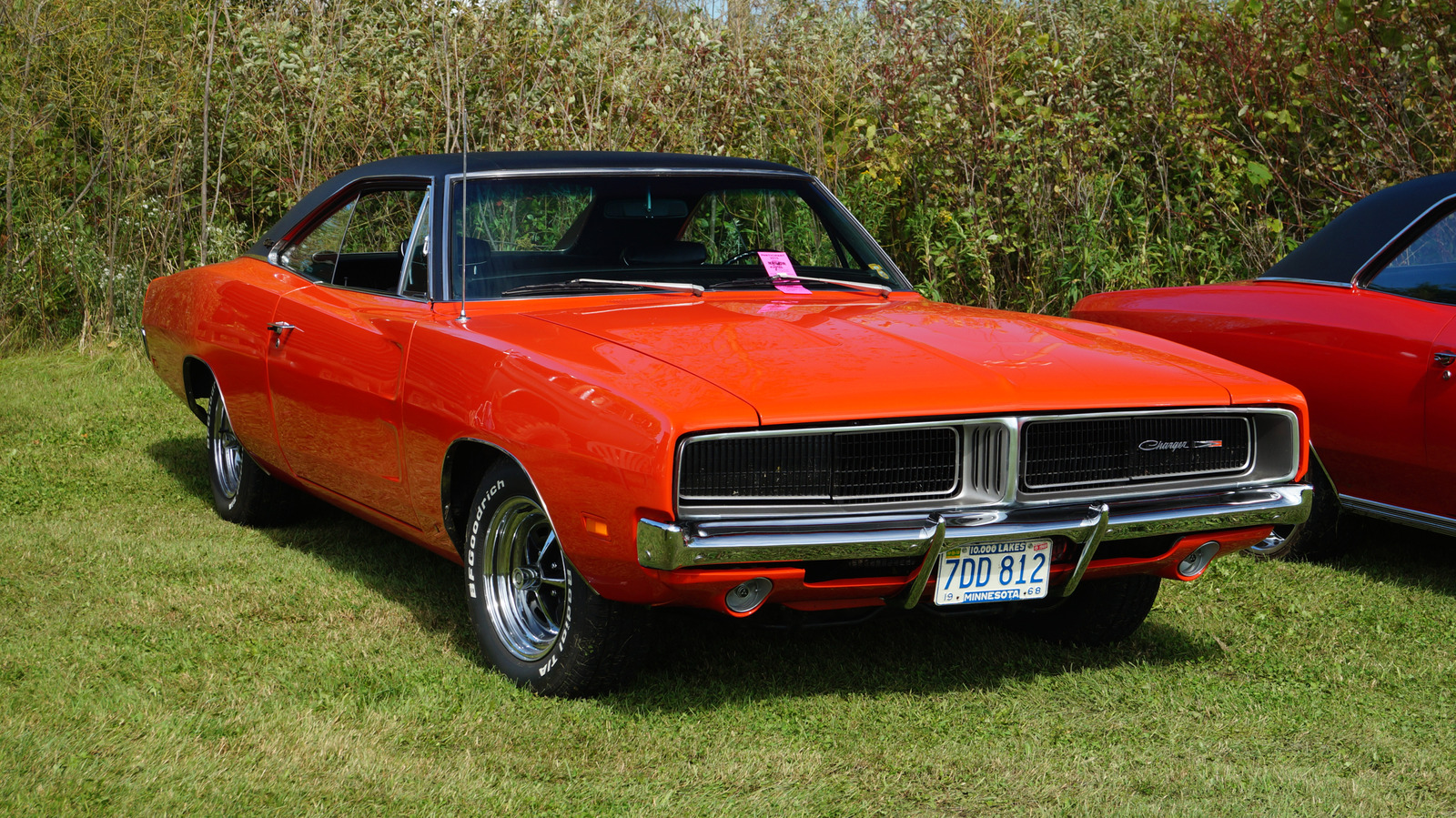
# What's The Best Muscle Car You've Ever Driven?
Muscle cars remain the most visceral expression of American automotive culture. These iron-fisted machines emerged in the 1960s when manufacturers stuffed large-displacement V8 engines into mid-size frames, delivering raw power at accessible prices. The formula worked then. It works now.
The golden era produced icons: the Pontiac GTO, Dodge Charger, Chevrolet Chevelle SS, and Plymouth Road Runner defined a generation. These cars traded handling finesse for straight-line dominance. Quarter-mile times mattered more than apex speed. That ethos persists today.
Modern muscle demands respect. The Dodge Challenger R/T delivers 495 horsepower and feels every bit as aggressive as its 1970 namesake. The Chevrolet Camaro SS produces 455 horses with sharper steering geometry and actual braking capacity. The Dodge Charger R/T balances four-door practicality with 470 horsepower. Even the reborn Chevy Corvette, now mid-engine, carries muscle car DNA despite transcending traditional boundaries.
What separates the best from the rest comes down to driver connection. The mechanical feedback matters. That steering wheel rumble during full throttle acceleration. The mechanical sympathy of a proper clutch pedal versus an automatic. The theater of a genuine V8 engine note, unfiltered and undeniable.
Muscle car purists argue that modern emissions regulations and electronic nannies dilute the experience. They have a point. Power steering and traction control eliminate some rawness. But today's machines deliver performance numbers that would astound 1970s engineers. A modern Hellcat Charger produces 797 horsepower. That excess power carries its own rebellion.
The