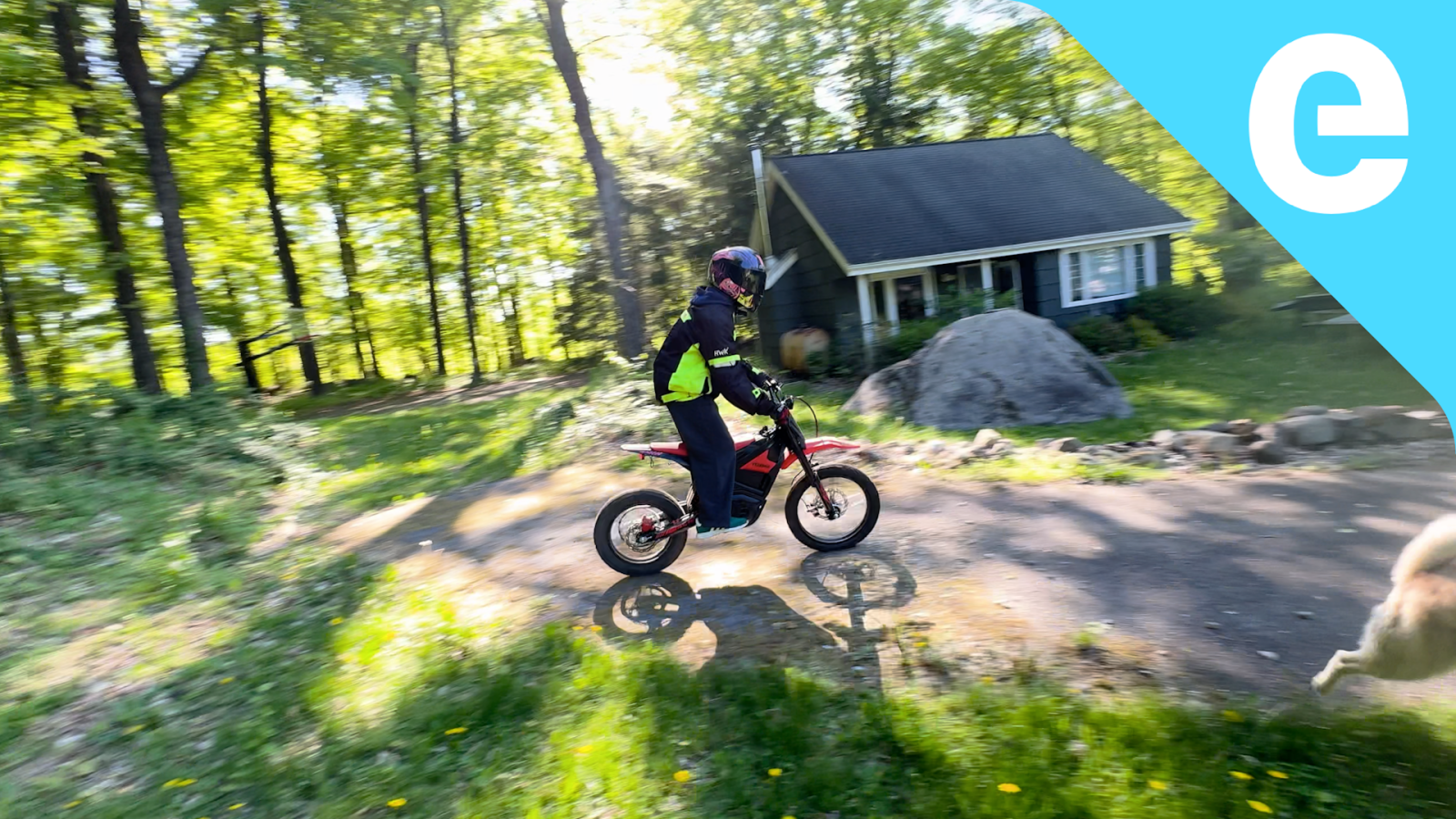
Yozma's IN10 Pro electric minibike costs $2,000 and delivers performance that challenges established competitors like the Sur Ron Light Bee. The Pro model builds on the base IN10, which launched at $1,200 with a 40 mph top speed suited for teenage riders on trails.
The upgraded Pro adds significant performance. It reaches 50 mph, marking a meaningful jump in capability without proportional cost increases. That price-to-performance ratio positions the Yozma as a direct threat to Sur Ron's established playbook. Sur Ron dominates the minibike segment with premium pricing. Yozma undercuts aggressively while maintaining comparable power and handling.
The Pro maintains the same DNA as the base model. It retains off-road-only positioning and the accessible geometry that made the IN10 approachable for younger riders. The extra thousand dollars buys more than raw speed. Yozma likely upgraded the battery capacity, motor efficiency, or chassis stiffness to support the higher velocity.
This competitive dynamic matters. The minibike segment skews young. Parents face clear choices. Sur Ron's Light Bee costs substantially more. Yozma offers comparable performance at nearly half the price in some configurations. Build quality and warranty support become differentiators when pricing gaps widen this dramatically.
The IN10 Pro targets riders ready to graduate beyond entry-level machines without abandoning affordability. At $2,000, it sits in the sweet spot where serious performance meets practical pricing for families. That positions it as genuine competition in a market Sur Ron has largely controlled through brand recognition and distribution.
Electric minibike sales accelerate as parents seek quieter, lower-maintenance alternatives to gas machines. Yozma's aggressive pricing strategy forces the entire segment to justify premium costs. That benefits the market broadly through competition. The IN10 Pro doesn