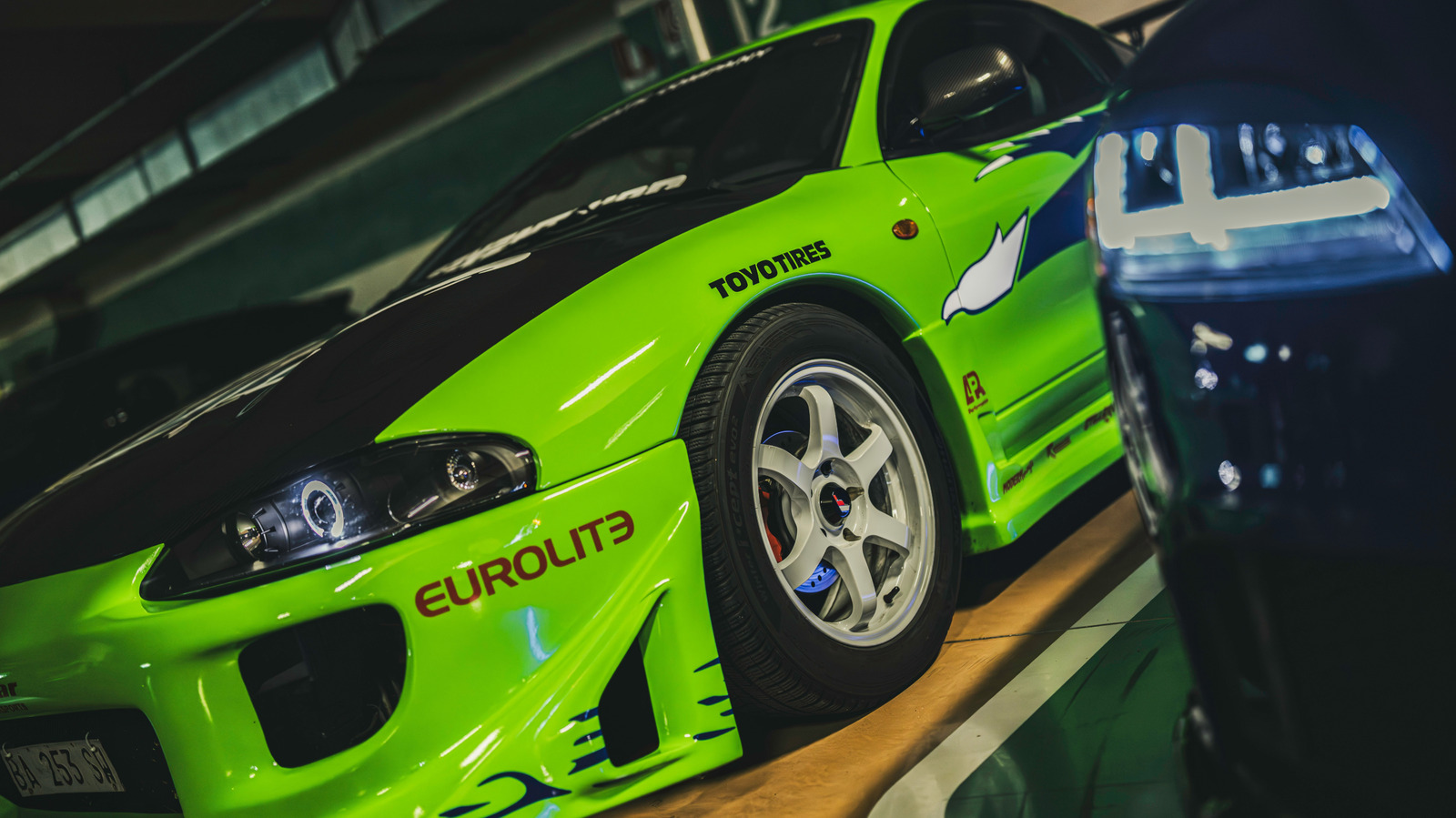
Tuner culture thrives on vehicles engineered for modification, and the aftermarket community gravitates toward specific platforms that deliver both accessibility and performance potential. The cars that dominate this space share common traits: robust engine platforms, abundant available parts, strong community support, and manufacturer-friendly modification policies.
Japanese sport compacts lead the tuner-friendly hierarchy. The Honda Civic Si remains the gold standard, with its B-series and K-series engines delivering proven horsepower gains through bolt-on modifications and tuning. The platform's 30-year legacy means parts catalogs overflow with options. Mazda's Miata MX-5 offers lightweight chassis fundamentals and excellent weight distribution, making it ideal for suspension and engine work. The Subaru WRX delivers symmetrical all-wheel drive and turbocharged architecture that responds immediately to tuning, appealing to enthusiasts targeting both street and track applications.
Toyota's GR86 and its predecessor, the FR-S, represent accessible rear-wheel-drive platforms with inline-four engines receptive to forced induction and turbo kits. The GR Corolla adds all-wheel drive and modern engineering without sacrificing tunability. Ford's Mustang ecosystem, particularly earlier EcoBoost models, offers modular engine design and extensive aftermarket support.
The Nissan 370Z carries Z-car heritage with a naturally aspirated V6 responsive to displacement and compression work. Dodge's Challenger SRT Hellcat attracts power-seeking tuners with its supercharged 6.2-liter engine and factory warranty support for modified variants.
What separates tuner-friendly machines from ordinary cars is engineering philosophy. These platforms feature accessible engine bays, bolt-on integration points, and strong structural foundations that handle power increases. Manufacturers increasingly recognize tuner culture's commercial value, creating factory performance