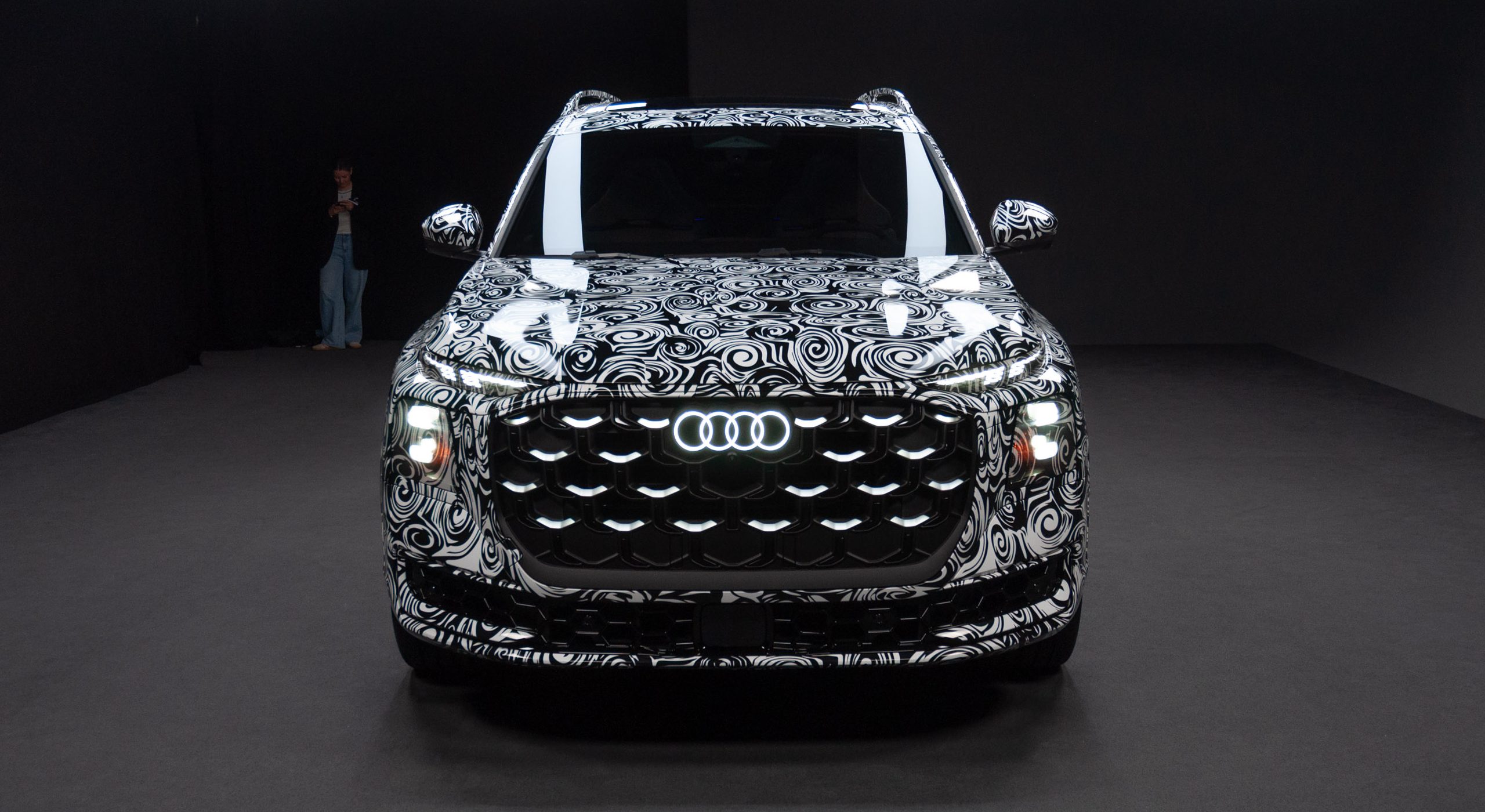
Audi's advanced Matrix LED headlight technology reaches the U.S. market for the first time, arriving on the upcoming Q9 SUV later this year. The German automaker has offered this adaptive lighting system in Europe for years, but outdated American safety regulations prevented domestic deployment until now.
Matrix LED headlights use individual LED elements that activate or dim independently, allowing the system to shape light patterns around oncoming traffic and obstacles. This eliminates the need for drivers to switch between high and low beams manually. The tech improves visibility for the driver while preventing glare that blinds other road users. Audi's Digital Matrix version represents the latest generation, offering even finer control and faster response times than earlier iterations.
U.S. automotive regulations have historically mandated uniform light distribution patterns, treating adaptive lighting with skepticism. The National Highway Traffic Safety Administration (NHTSA) only recently updated rules to permit dynamic beam-shaping technologies. This regulatory shift opens the door for multiple manufacturers to introduce similar systems stateside.
The Q9 sits as Audi's flagship SUV and competes directly against vehicles like the BMW X7 and Mercedes-Benz GLS. Bringing Matrix LED technology to this premium model signals Audi's commitment to equipping top-tier vehicles with cutting-edge features. European buyers have already benefited from this technology across the Q7, A6, and other models for several years.
Automotive lighting has become increasingly important to luxury vehicle differentiation. Headlight design and capability now rank among key purchase considerations for affluent buyers. Competitors like Mercedes and BMW have pushed their own adaptive lighting systems, creating competitive pressure across the segment.
The delayed U.S. introduction of Matrix LED headlights reflects broader regulatory friction between American safety standards and European innovation. Many technologies debut overseas first, then arrive in America years later once regulators approve them.