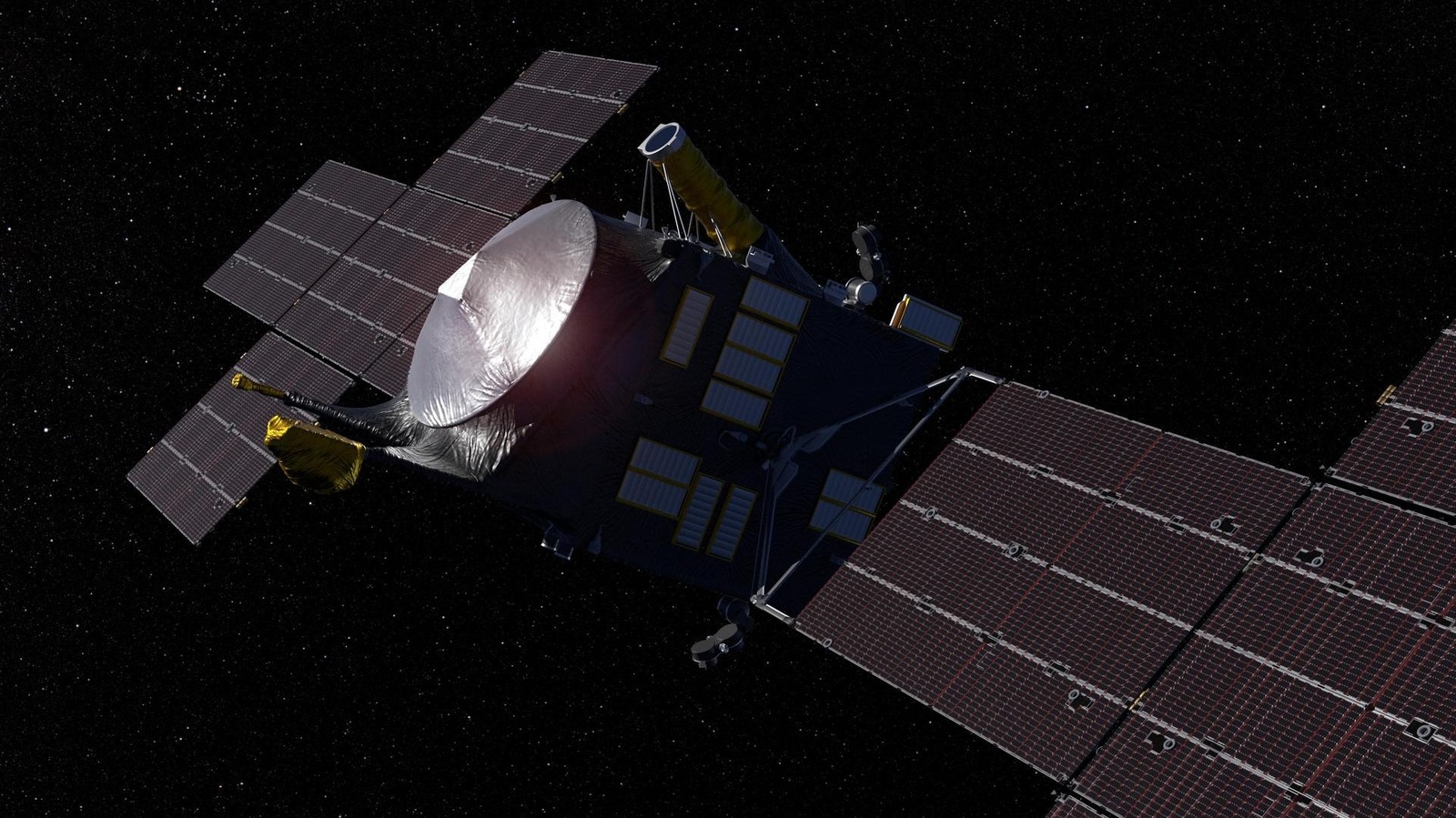
NASA researchers are developing a lithium-plasma electric thruster designed to slash propellant consumption by 90 percent compared to conventional chemical rockets. The innovation addresses a fundamental challenge in deep-space exploration: fuel efficiency over vast distances.
Electric thrusters operate by ionizing propellant and accelerating charged particles at extreme velocities, generating thrust with minimal mass consumption. NASA's lithium-plasma variant builds on decades of ion-drive research by using lithium as the propellant medium. This choice matters because lithium offers high performance characteristics while remaining stable in space environments.
The efficiency gains are substantial. A Mars mission requires enormous fuel reserves just to reach orbit and sustain course corrections across millions of kilometers. Chemical rockets waste energy through combustion inefficiency. Electric thrusters convert electrical power directly into thrust with far less waste. For crewed Mars missions planned for the 2030s and 2040s, this translates into lighter payloads, smaller launch vehicles, or extended mission range from identical hardware.
Current limitations exist. Electric thrusters generate lower thrust levels than chemical rockets, making them better suited for sustained acceleration over months rather than rapid launch sequences. Scaling up lithium-plasma systems for human-scale spacecraft requires solving power generation challenges in deep space and ensuring long-duration reliability under mission conditions NASA hasn't yet fully tested.
The lithium-plasma engine fits NASA's broader strategy of combining technologies. Ion drives supplement, rather than replace, chemical engines for launch and orbital insertion. For the coast phases between Earth and Mars, and during Mars orbit operations, electric propulsion provides the efficiency gains that reduce mission mass and cost.
This research matters because Mars colonization hinges on reducing mission complexity and expense. SpaceX and other commercial players pursuing Mars plans face identical physics constraints. Any propulsion technology that meaningfully reduces fuel requirements reshapes what's possible for long-duration space exploration. NASA's work on