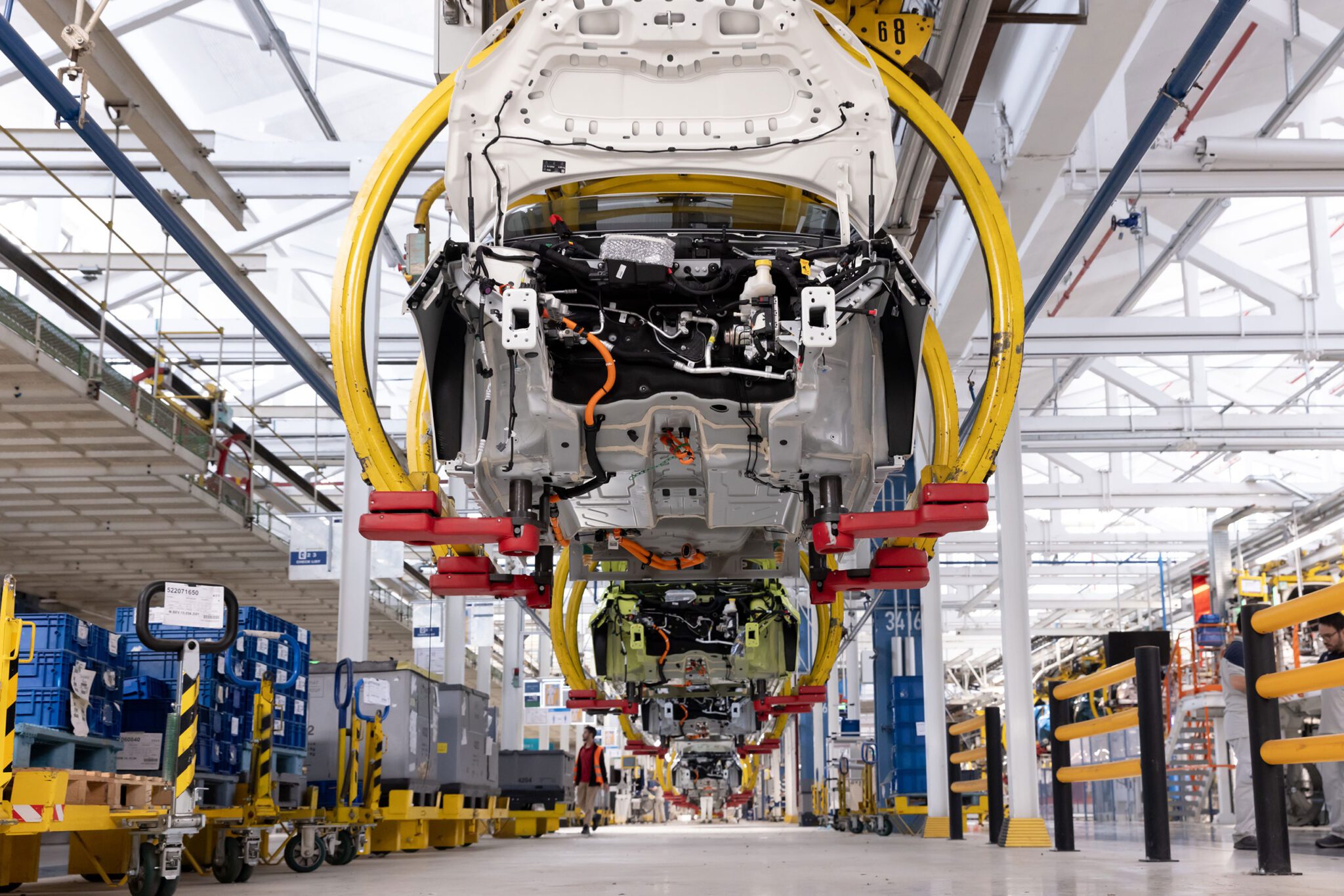
Global automotive production capacity tracking just got more granular. A comprehensive assembly plant database now catalogs production across nearly 60 vehicle segments, 140 brands, and 1,100 models worldwide. This 2026 edition represents the industry's most detailed snapshot of where cars, trucks, and vans actually get built.
The database matters because manufacturing footprint determines everything from supply chain resilience to regional pricing power. It shows which plants produce which models, capacity utilization rates, and how automakers distribute production across continents. For investors, OEMs, and suppliers, this data reveals competitive positioning in real time.
The scale is telling. Capturing 1,100 models across 140 brands across multiple segments requires meticulous tracking of constantly shifting production schedules. Plants launch new models, close lines, and pivot to electric vehicle assembly. The database reflects those dynamics.
This level of transparency highlights structural shifts reshaping the industry. Chinese OEMs now operate far more plants globally than a decade ago. Legacy automakers consolidate redundant capacity. EV conversion requires significant capex, and this database shows which producers committed where. Tesla's manufacturing expansion in Berlin and Texas. BYD's factories across Asia and Europe. Traditional players like Volkswagen Group retooling plants for battery-electric production.
The data also exposes regional imbalances. Europe still hosts massive production capability but faces overcapacity as demand softens. North America's truck and SUV focus concentrates output on fewer segments. Asia dominates volume and increasingly commands margin through higher-end EV assembly.
For supply chain managers, the database serves as essential infrastructure intelligence. Component suppliers need to know which plants will consume their parts and when capacity comes online. The 2026 edition captures this in unprecedented detail across geographies where labor costs, tariffs, and logistics create vastly different unit economics.
The publication underscores