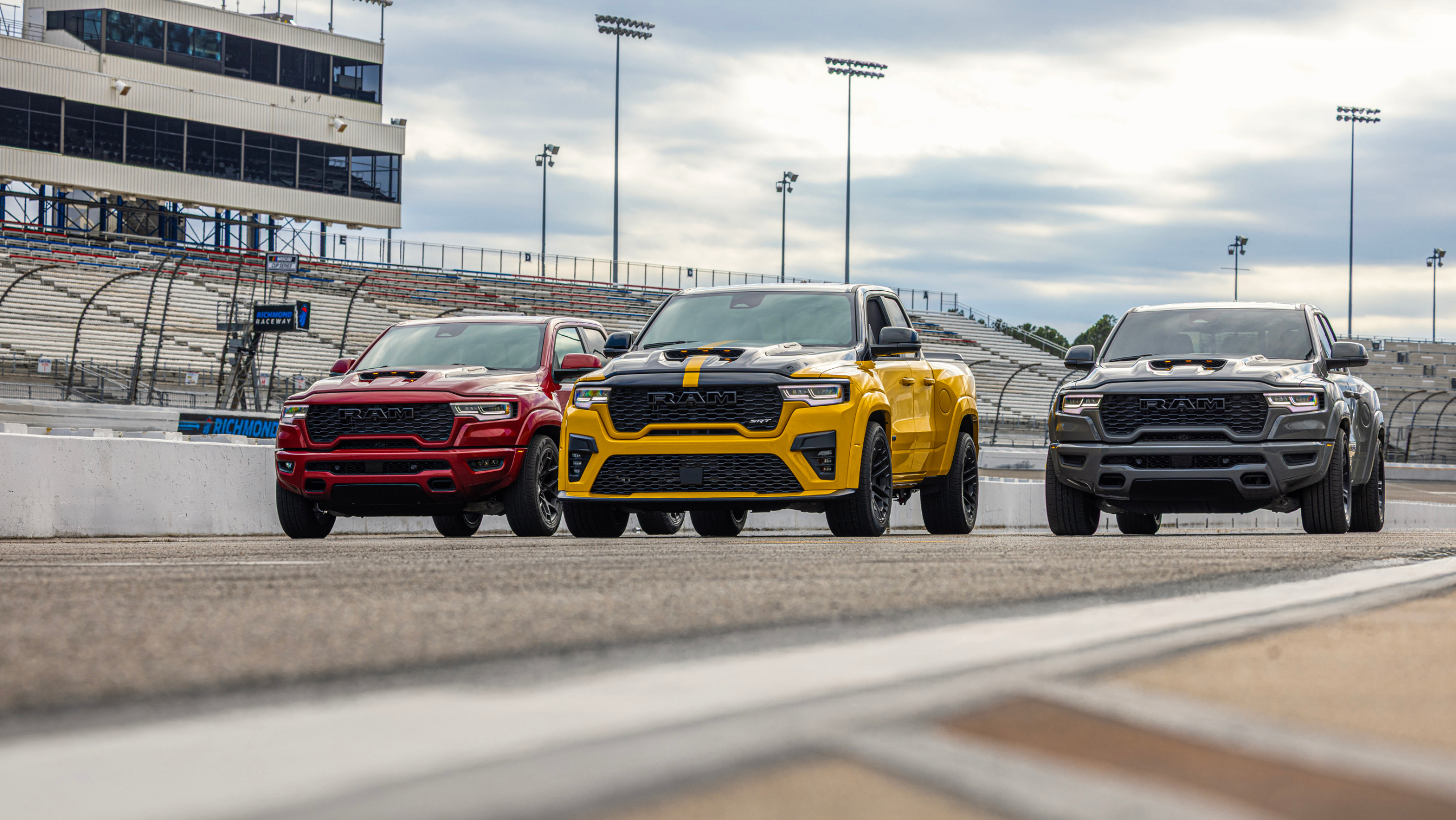
Stellantis is executing a dramatic portfolio realignment, committing to 60 new vehicles and 50 refreshed models by 2030 while reshuffling its brand hierarchy across three continents.
The automaker has elevated Jeep, Ram, Peugeot, and Fiat to global status, positioning them as its core profit drivers. Chrysler, Dodge, Citroen, Opel, and Alfa Romeo shift to regional-only strategies, a major demotion that reflects Stellantis' assessment of which nameplates drive sales and margins internationally.
This restructuring tackles the persistent weakness that plagued the merged entity since forming in 2021. Stellantis faced criticism for lacking cohesion across its 14 brands and struggling to compete against Tesla and Chinese EV makers in key markets. The new product blitz targets both combustion and electric powertrains, addressing the dual pressures of emissions regulations and consumer EV adoption rates that vary wildly by region.
Jeep benefits most from this shift. The SUV brand remains Stellantis' cash cow, with strong global appeal and pricing power. Ram trucks anchor North American profitability. Peugeot and Fiat secure the European beachhead, where both brands hold loyal customer bases and benefit from the region's EV transition incentives.
Chrysler's demotion marks a stunning retreat. Once Stellantis' bridge to American buyers, the luxury brand failed to carve distinct positioning versus Ram and Jeep. Dodge follows suit after years of struggling sales despite the final V8 brinksmanship around the muscle car segment. Opel and Citroen face similar pressures in Europe, where VW Group and Renault-Nissan-Mitsubishi control larger market shares. Alfa Romeo,