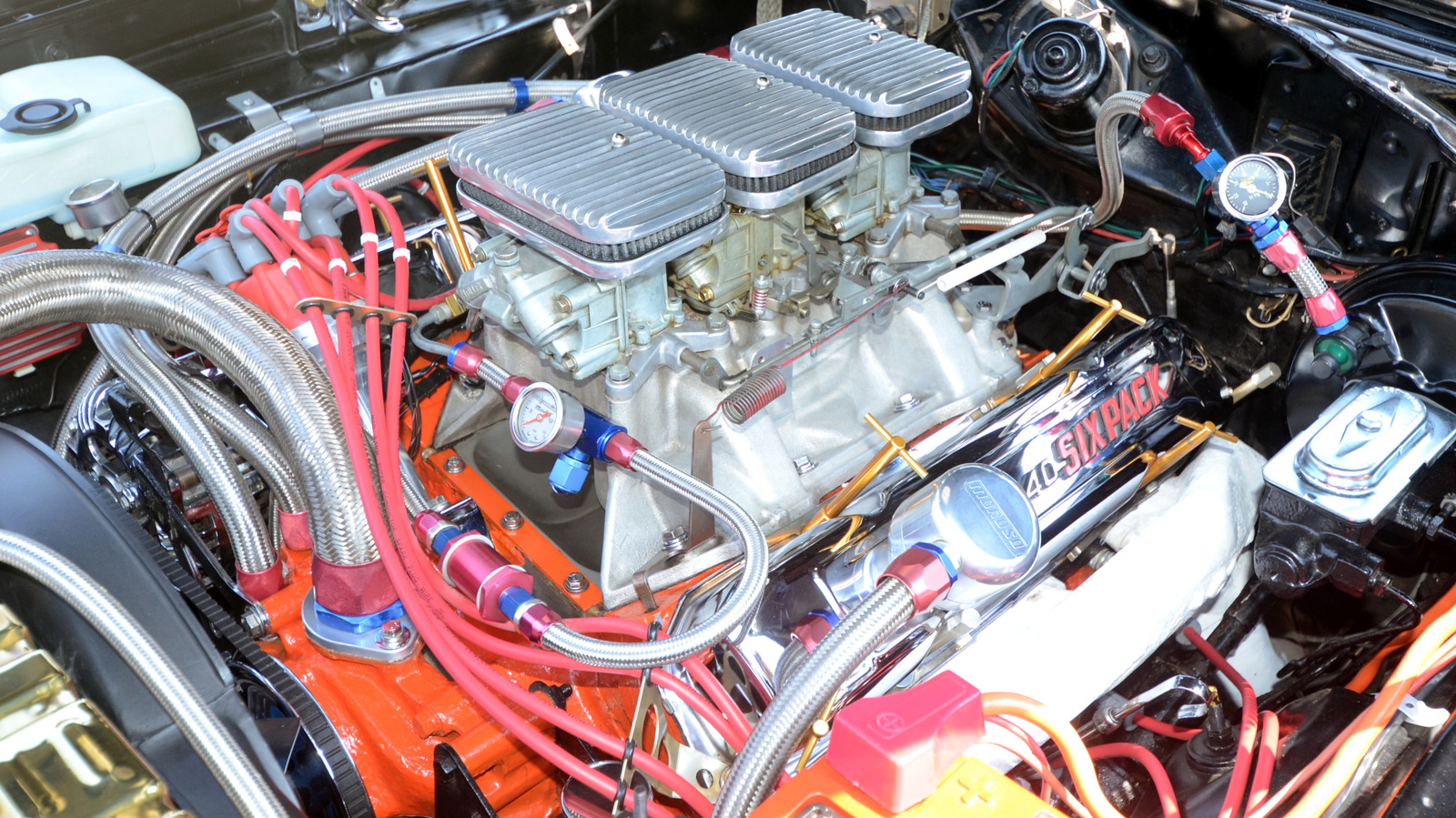
Mopar enthusiasts faced a genuine fork in the road during the muscle car era. The legendary 426 Hemi and 440 Six Pack represented two distinct philosophies for extracting big-block power from Dodge and Plymouth muscle cars.
The 426 Hemi dominated drag strips and quarter-mile contests. Its hemispherical combustion chambers, dual four-barrel carburetors, and aggressive cam profile delivered raw, uncompromised performance. But that power came with trade-offs. The Hemi generated substantial heat, demanded premium fuel, and proved temperamental in stop-and-go traffic. Engine bay real estate consumed most of the engine compartment, leaving little room for creature comforts or future modifications.
The 440 Six Pack, introduced later in the muscle car timeline, took a different approach. Chrysler's engineers fitted three two-barrel Edelbrock carburetors to a proven big-block engine, creating a more civilized alternative. The 440 offered nearly comparable horsepower figures, around 375 hp for the street version, while maintaining better cold-start characteristics and cooler running temperatures. Drivers could actually live with the Six Pack daily without sacrificing their sanity or fuel budget.
That distinction matters for collectors and enthusiasts today. The 426 Hemi remains the ultimate bragging right, a purpose-built engine that prioritizes performance above all else. Restorations and period-correct builds gravitate toward Hemis for authenticity and street credibility.
The 440 Six Pack, however, represented the death knell of muscle cars as manufacturers faced emissions regulations and insurance penalties. It represented Mopar's final attempt at delivering genuine performance within practical constraints. For drivers who wanted weekend thrills without weekday suffering, the Six Pack delivered a compromise that actually worked.
Both engines belong in collector garages