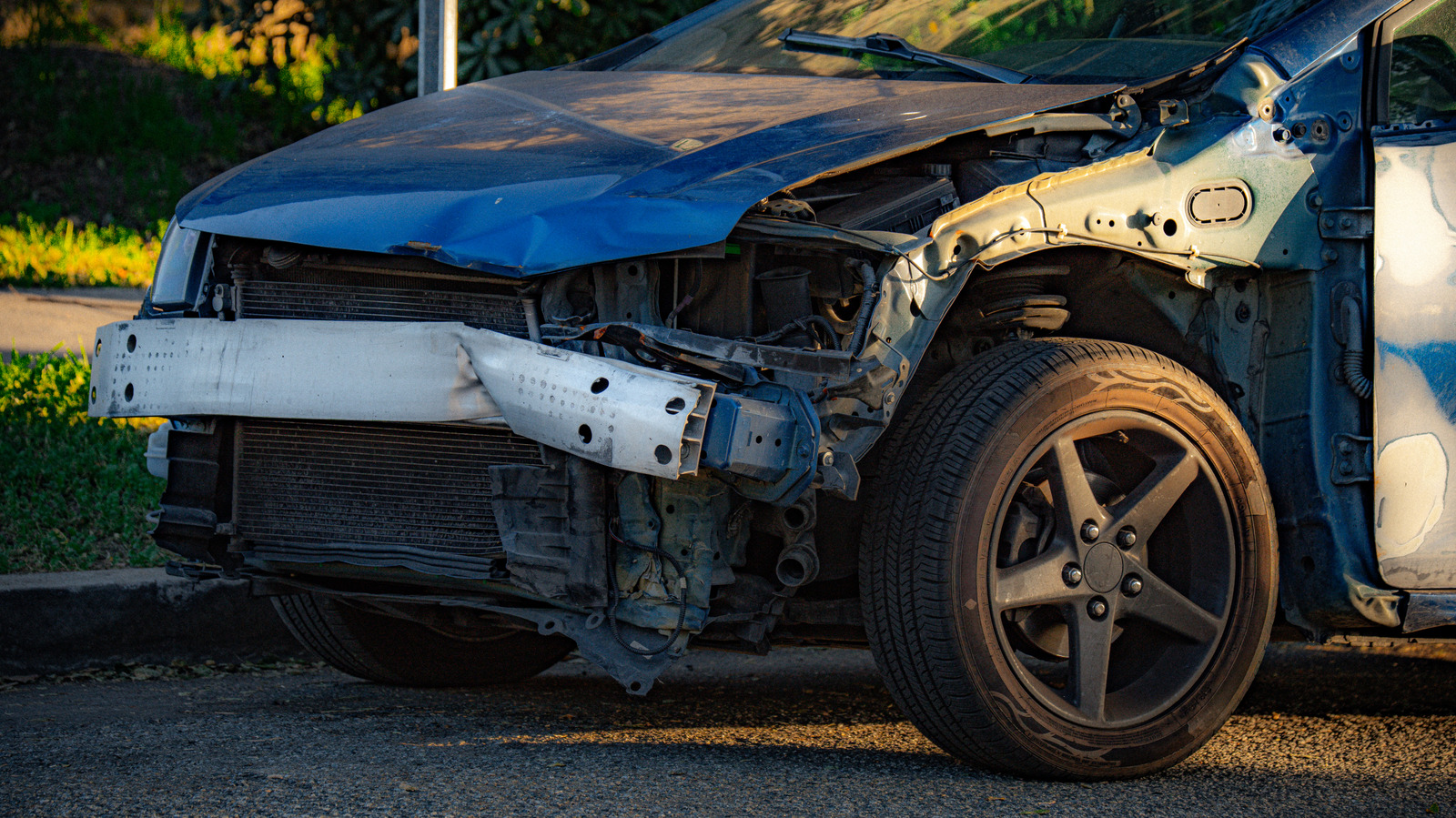
Frame damage claims hinge on one brutal calculation: total repair cost versus vehicle value. Insurance companies cover frame repairs only when fixing the car makes financial sense.
Here's how it works. After an accident, insurers send adjusters to inspect the damage. If frame repairs cost less than 70 to 80 percent of the vehicle's actual cash value, most insurers will cover them. Cross that threshold, and the car gets declared a total loss. The insurer pays you the cash value instead, keeps the damaged vehicle, and you walk away.
Collision and comprehensive coverage both protect against frame damage, but liability-only policies do not. If you caused the accident, your collision coverage pays for repairs minus your deductible. If someone else hit you, their liability coverage should cover your repairs, though you may need uninsured motorist coverage if they lack insurance.
The economics matter here. Repairing a frame requires specialized equipment and extensive labor. Shops must use computerized measuring systems to ensure alignment stays within factory tolerances. Rushed or improper frame work creates hidden problems: uneven tire wear, suspension issues, and structural weakness in future accidents. Insurers know this, which is why they won't fund borderline repairs on older vehicles.
Your vehicle's pre-accident condition affects the decision. A 2015 Honda Civic with 80,000 miles in good shape might be worth $12,000. If frame repairs run $9,000, coverage applies. That same model from 2010 with 150,000 miles might only be worth $6,000, making even $4,500 in repairs exceed the threshold.
Documentation protects your claim. Get the damage assessed by a certified collision center, not just any shop. Provide repair estimates and your vehicle's maintenance history. If you believe the insurer undervalued your car, get independent apprais