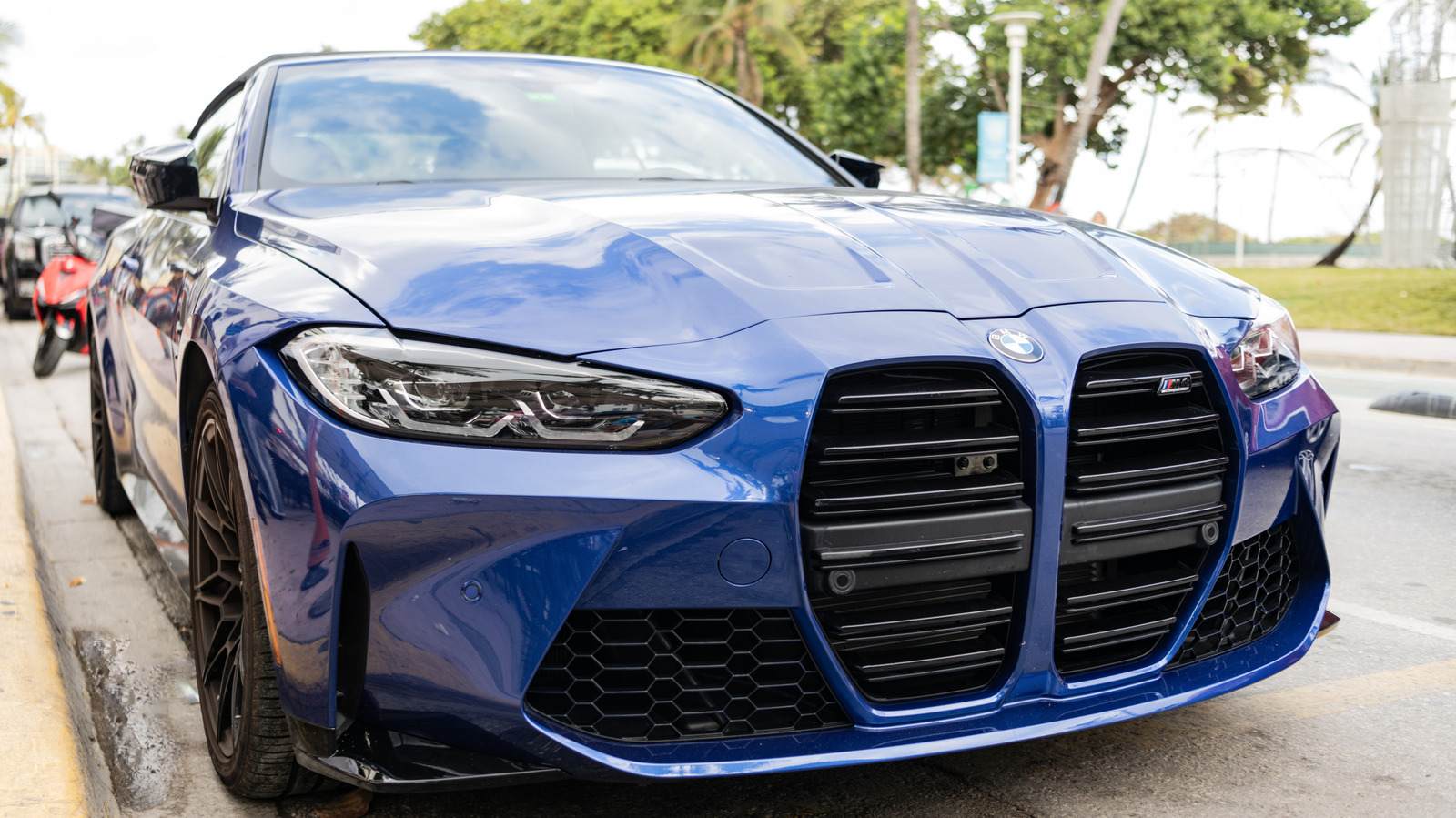
BMW's latest M4 generation is proving more resilient in the used market than its predecessor. The 2021 M4, which launched the current G82/G83 generation, has depreciated less steeply over five years compared to the older F82/F83 generation models that came before it.
This finding reflects broader trends in the performance car market. High-performance BMWs have historically faced steep depreciation curves, particularly as newer generations arrive with updated technology and styling. The M4 sits in a crowded segment competing against the Mercedes-AMG C63, Porsche 911, and Audi RS5, where residual values depend heavily on maintenance history, mileage, and market demand for that specific generation.
The G82/G83 M4 brought significant changes from its predecessor. The new generation introduced BMW's controversial larger grille design, a turbo-charged straight-six engine replacing the naturally aspirated V8, and substantially more power and torque. These updates generated mixed reactions from enthusiasts, with some purists criticizing the departure from the naturally aspirated formula while others embraced the performance gains and technological improvements.
Several factors likely support the newer generation's stronger value retention. Warranty coverage influences buyer confidence in used performance cars. The newer platform benefits from fresher styling that appeals to younger buyers entering the luxury performance segment. Additionally, the M4's reputation for reliability and parts availability helps maintain demand among owners seeking a used high-performance sedan.
Current market conditions also matter. Strong demand for performance vehicles in recent years has supported used M4 pricing. Buyers willing to stretch their budgets can access G82/G83 models with reasonable mileage rather than settling for aging F82/F83 competition. Supply constraints on new vehicles have indirectly bolstered the used performance market, keeping depreciation in check for desirable models