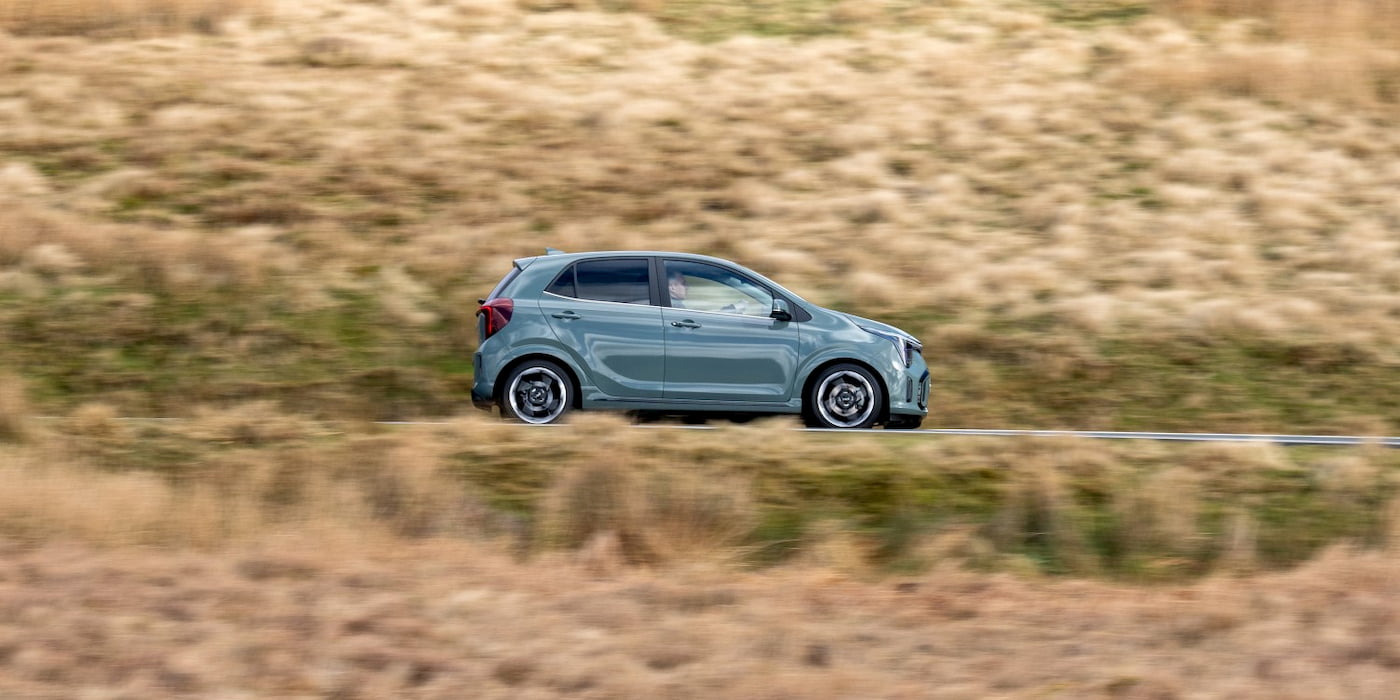
Kia is discontinuing the Picanto, its entry-level gasoline vehicle priced around $20,000 in European and UK markets. The automaker plans to replace it with a new electric vehicle, accelerating its pivot away from affordable internal combustion engines.
The Picanto has served as Kia's affordability anchor in price-sensitive markets for years. Its discontinuation reflects broader industry consolidation around electrification. As battery costs remain elevated, traditional budget gas cars face margin pressure. Manufacturers increasingly redirect entry-level buyers toward EVs rather than developing parallel product lines.
Kia's EV replacement strategy mirrors moves by competitors. Volkswagen retired the Up subcompact to focus on the ID.2, launching this year at a lower starting price than previous gas models. Renault discontinued the Twingo's gas variant in favor of electric versions. This shift addresses regulatory emissions requirements while betting that EV production scale will eventually match or undercut gas car pricing.
The timing matters. European manufacturers face tightening CO2 regulations and EU combustion-engine bans scheduled for 2035. Kia's parent company Hyundai Group has committed to accelerating EV adoption. The group's electrification roadmap targets majority EV sales by 2035 across all brands.
No confirmed pricing or specifications for Kia's new entry-level EV emerged yet. Industry precedent suggests the vehicle will emphasize range and practicality over performance. It will likely compete with the Dacia Spring, Volkswagen ID.2, and MG4 in the under-25,000-euro segment. That market remains fragmented, with Chinese manufacturers gaining share through aggressive pricing.
The Picanto's exit signals Kia's confidence in its EV portfolio depth. The brand now sells the EV6, EV9, and