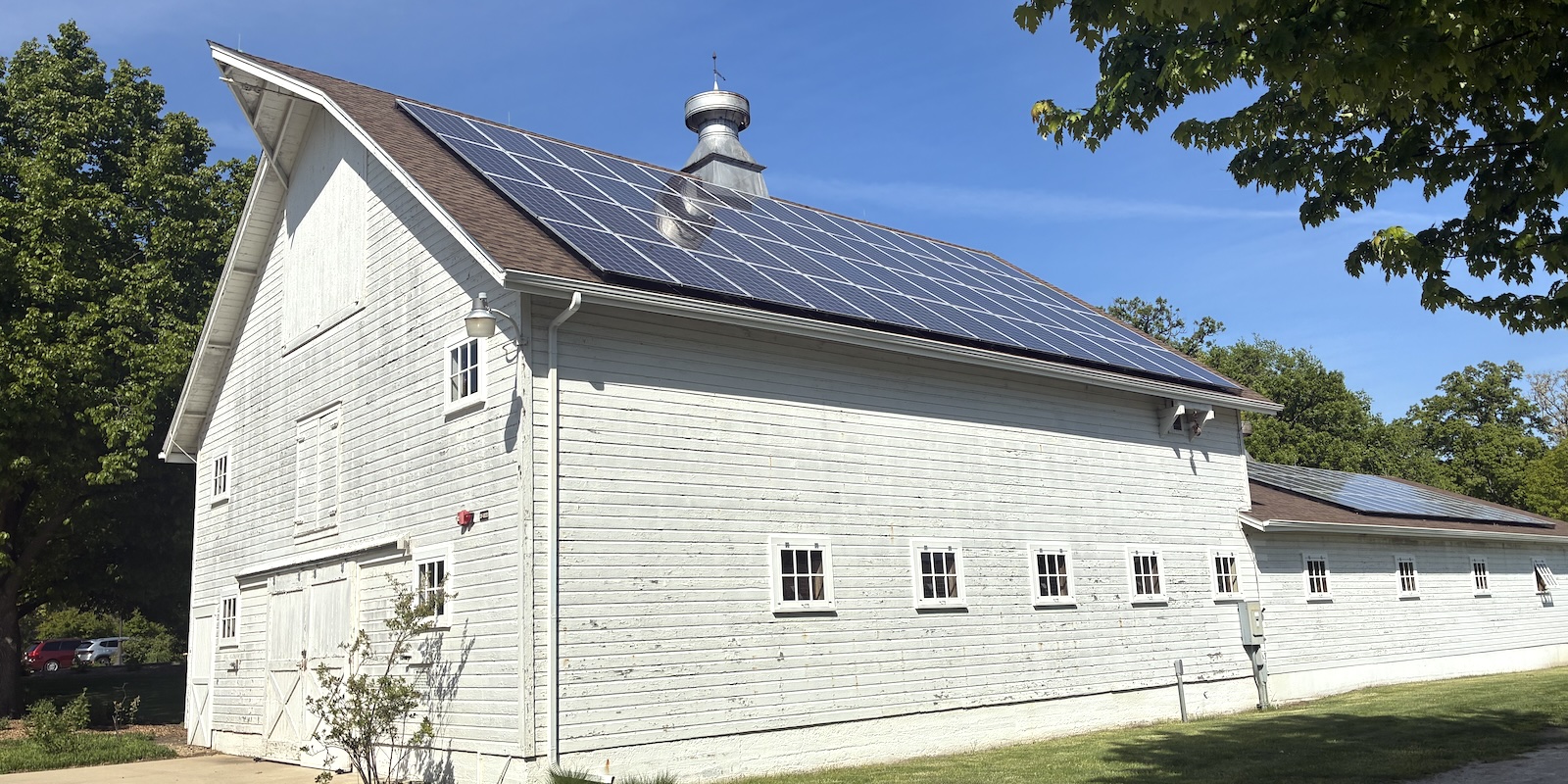
An 880-watt rooftop solar system in Illinois produced over 1,050 watts of power this week, exceeding its rated capacity by more than 20 percent. The phenomenon occurred during rare atmospheric conditions involving cloud cover and sunlight interaction that created an optical amplification effect.
The homeowner discovered the anomaly while monitoring their system through a solar app. Such overproduction events happen occasionally when specific weather patterns align. Clouds can act as reflectors, bouncing indirect sunlight onto panels while simultaneously cooling them. Solar panel efficiency actually increases in cooler temperatures, and when clouds partially obscure the sun while reflecting additional light onto the modules, the combined effect can temporarily push output above rated wattage.
This outcome surprises most homeowners but delights solar installers familiar with the phenomenon. Solar arrays carry ratings based on standard test conditions, typically measured at 77 degrees Fahrenheit with 1,000 watts per square meter of irradiance. Real-world conditions often deviate significantly. Cold, clear days frequently produce the highest output because panel efficiency improves in lower temperatures. Partial cloud cover combined with reflective surfaces like snow or light-colored roofs can multiply this effect further.
The Reddit post gained traction because such dramatic exceedances remain relatively uncommon in residential systems. Most homeowners never observe their panels operating beyond nameplate capacity, making this a notable data point for solar enthusiasts. The event highlights how solar production remains highly dependent on atmospheric conditions rather than simple sunny-day equations.
For consumers evaluating solar investments, such occasional bonuses underscore why actual production often exceeds conservative annual estimates from installers. Systems in regions with snow reflect additional light onto panels. Areas with frequent partly cloudy days benefit from the combination of direct and reflected radiation. This Illinois homeowner's 20 percent bonus represents an extreme case, but smaller overproduction events occur regularly across residential solar