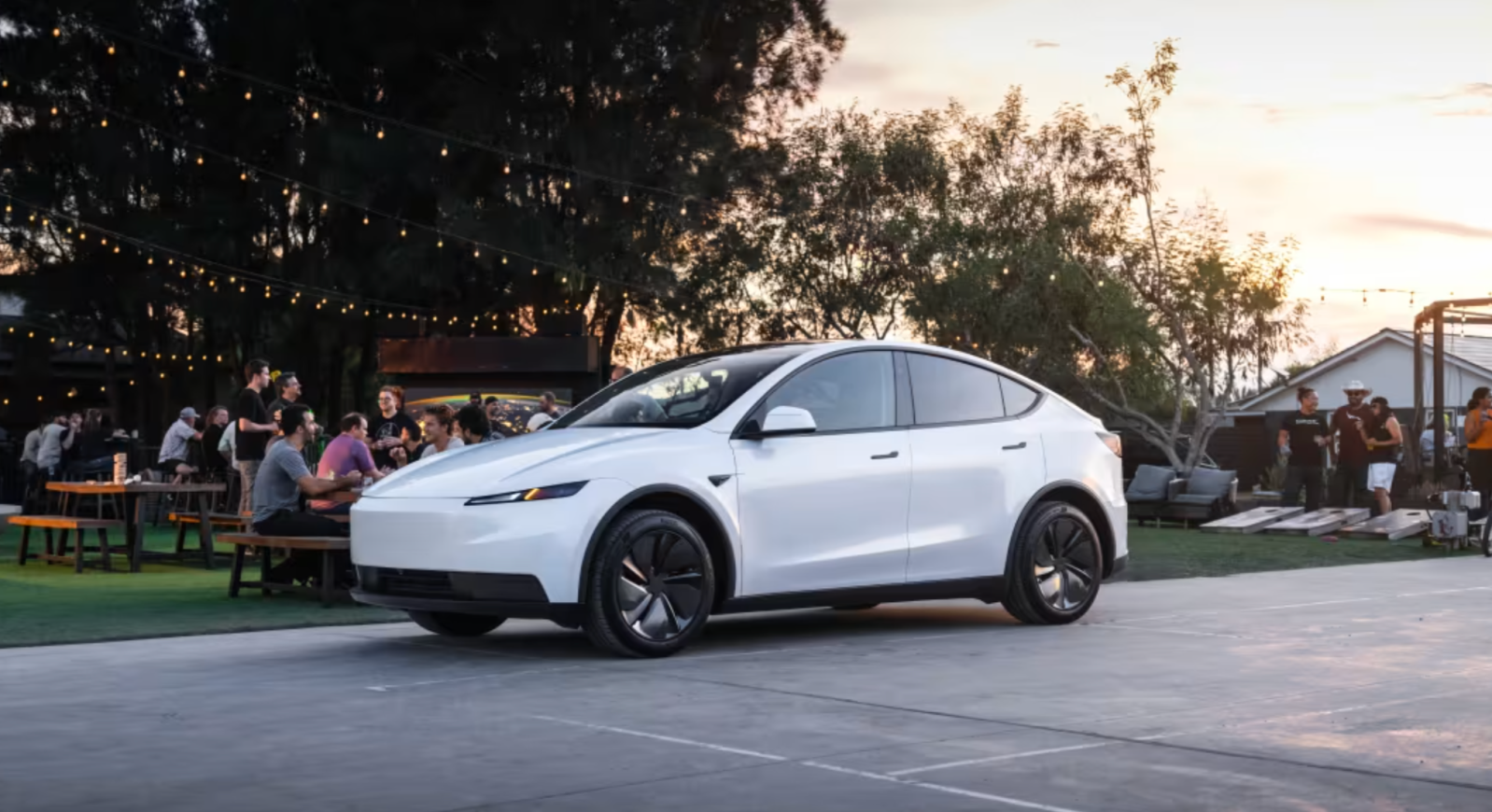
Tesla initiated a recall affecting 14,575 Model Y vehicles manufactured between November 2025 and April 2026 over a missing certification label. The company discovered that some units lacked the required compliance sticker, which documents vehicle specifications and regulatory certifications for buyers and authorities.
This recall targets a narrow window of production and represents a compliance issue rather than a safety defect. The certification label provides essential information including the vehicle identification number, gross vehicle weight rating, and manufacturer certifications. Without it, owners lack documentation that the vehicle meets federal standards, though the vehicles themselves function normally.
Tesla's recall follows a pattern the company has repeated frequently. The automaker has issued numerous recalls for minor labeling issues, missing trim pieces, and documentation gaps. These technical compliance recalls typically require dealers or service centers to apply the missing label or component, often resolving the issue during a brief service visit.
The timing matters for Tesla's logistics. Model Y production volume during this period suggests the company was ramping output during a peak manufacturing window. The six-month production window indicates the defect was caught relatively quickly, likely through quality control checks or customer reports.
For affected owners, the recall process remains straightforward. Tesla notifies customers and schedules appointments to affix the missing certification label. No parts replacement or complex repairs are necessary. The company can address multiple vehicles per day in service centers.
This recall reflects ongoing quality control challenges Tesla faces as it scales production. While labeling issues rarely capture public attention compared to mechanical or electrical failures, they represent regulatory obligations. The National Highway Traffic Safety Administration requires all manufacturers to maintain compliance documentation. Tesla's frequency of administrative recalls suggests either tighter NHTSA scrutiny or inconsistent manufacturing protocols.
Owners of affected Model Ys should expect Tesla to contact them directly with service appointment information. The fix addresses a paperwork gap, not a mechanical problem, so vehicles remain safe to drive pending the