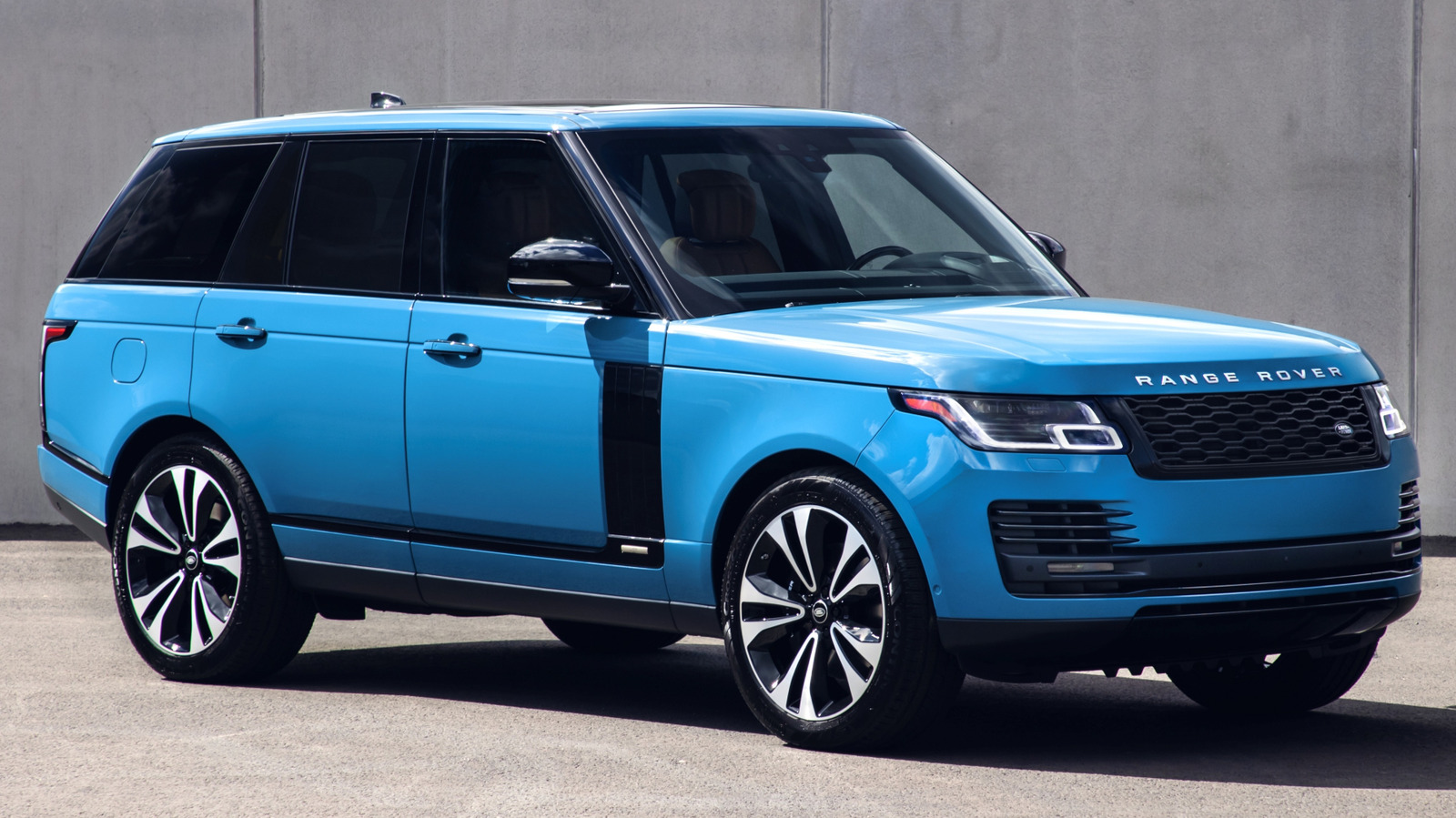
A 2021 Range Rover faces brutal depreciation, dropping roughly 50 to 55 percent of its original MSRP after three years of ownership. That translates to losing $40,000 to $50,000 in value on a vehicle that originally commanded $85,000 to $90,000 when new.
The culprit runs deeper than typical luxury vehicle depreciation. Range Rover ownership demands expensive maintenance cycles, and the model carries a well-earned reputation for reliability issues that scare away used buyers. Transmission problems, air suspension failures, and electrical gremlins plague these vehicles throughout their lifespan. Buyers shopping the used market know this history. They price accordingly.
This depreciation curve matters because it exposes the true cost of Range Rover ownership. A buyer financing a 2021 model through a five-year loan quickly finds themselves underwater on the loan. The vehicle loses value faster than loan payments chip away at principal. This reality hits hardest for owners who trade in or sell before loan maturity.
Context matters here. Competitors like the BMW X7 and Mercedes-Benz GLE hold value better, though all luxury SUVs depreciate aggressively compared to mainstream brands. The Range Rover's particular vulnerability stems from its reputation for needing dealer service at premium rates. A single air suspension replacement runs $2,000 to $3,000 out of warranty. Transmission repairs exceed $5,000 easily.
British-made luxury vehicles traditionally suffer steeper depreciation curves than German rivals. Range Rover's disconnect between prestige pricing and ownership reliability compounds this trend. Lease customers avoid this trap entirely. Owners absorb the loss. For 2021 models hitting used market shelves now, the damage is done. Original buyers learned an expensive lesson about badge value versus real-world durability. Future