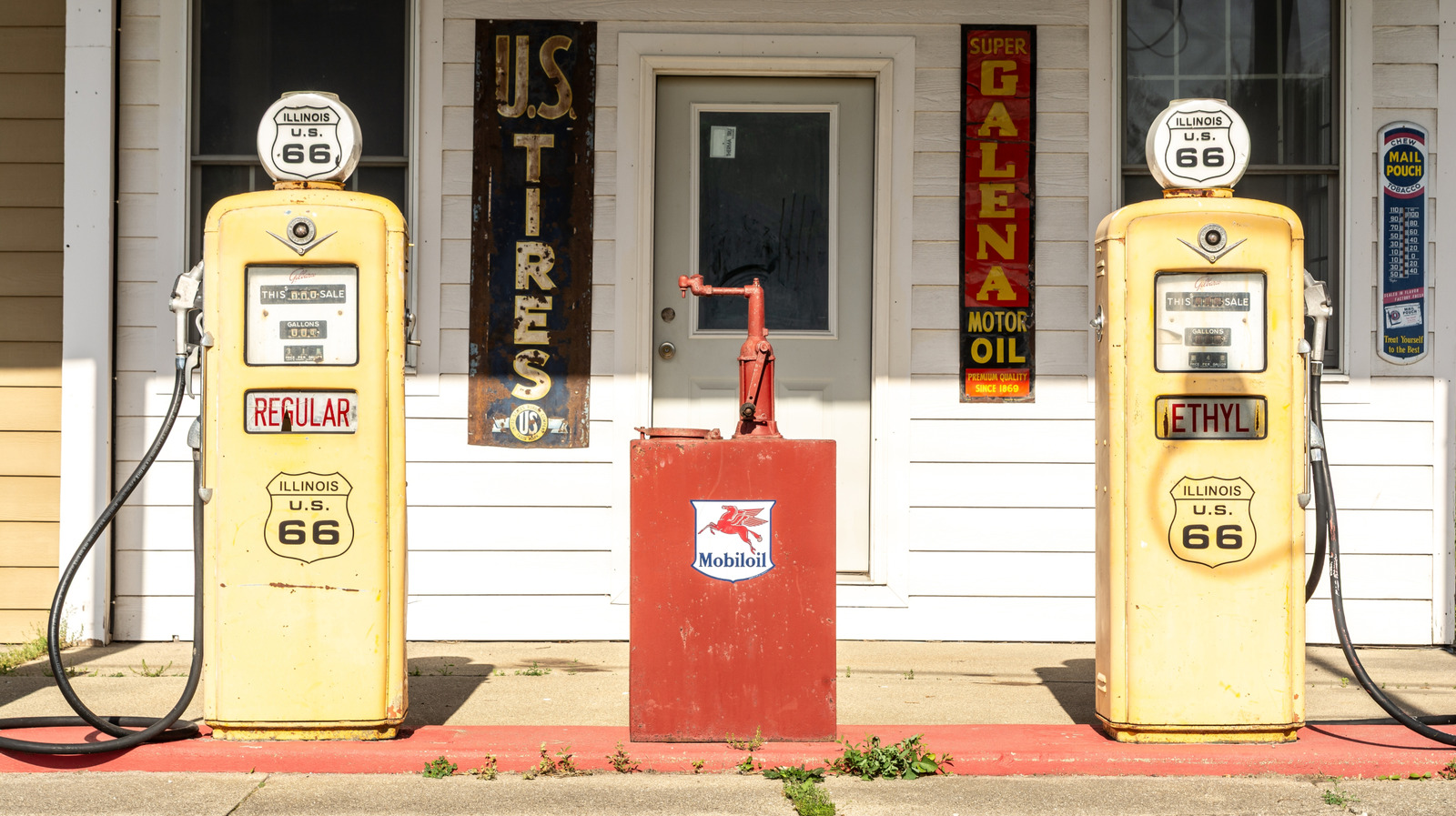
The first gasoline station in America operated with methods that seem primitive by today's standards. Built in the early automotive era, it relied on manual pumps and basic storage tanks to dispense fuel to early motorists. The station exemplified the rudimentary infrastructure that supported the nascent automobile industry before standardized fueling systems emerged.
Early gas stations bore little resemblance to modern convenience-focused establishments. Attendants manually operated hand pumps to transfer gasoline from storage tanks into vehicle tanks. Customers had no self-service options. The process was slow, labor-intensive, and required hands-on interaction between station staff and drivers. Safety protocols were virtually nonexistent by contemporary standards, with open flames and volatile fuel handling creating serious hazard conditions.
This primitive approach reflects how quickly automotive infrastructure evolved. Within decades, electric pumps replaced manual ones. Metered displays became standard, allowing drivers to see exactly how much fuel they purchased and what they owed. Payment methods shifted from cash transactions with attendants to credit card readers integrated into pump hardware. Modern stations now offer convenience stores, car washes, and automated systems that eliminate human interaction entirely.
The contrast highlights how dependent automobiles are on supporting infrastructure. Early cars couldn't spread beyond wealthy urban areas with gas stations nearby. As the network expanded and fueling became faster and more accessible, vehicles penetrated rural America and became true mass-market products. The standardization and efficiency of modern stations enabled the car culture that defines American transportation.
Today's gas stations represent the endpoint of a century-long refinement process. Fast, convenient, and ubiquitous, they're so integrated into daily driving that we rarely think about how revolutionary their development was. That first station with its hand pumps and crude storage tanks enabled the automotive revolution that followed.