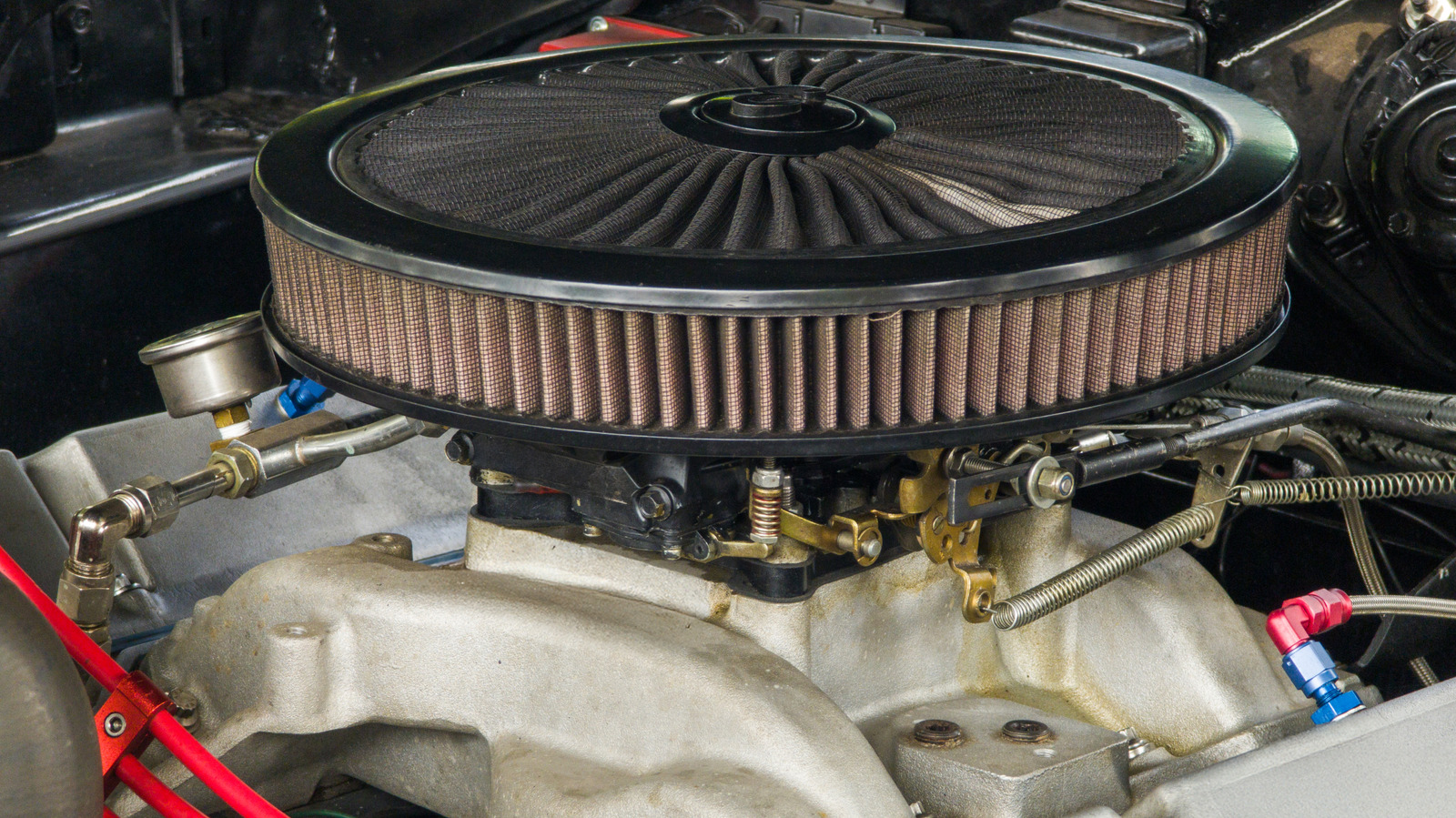
# Carburetors vs. Throttle Bodies: Where They Actually Differ
A carburetor and a throttle body serve the same basic function. feeding air into an engine. The confusion stems from the fact that carburetors contain their own throttle bodies within them. But the mechanical and operational differences between these two systems run deep.
A carburetor is a mechanical fuel metering device that relies entirely on atmospheric pressure and engine vacuum to mix fuel and air. It has no electronic components. When you press the gas pedal, you mechanically open a butterfly valve (the throttle) inside the carburetor, which increases airflow. This increased airflow creates vacuum that pulls fuel from a float chamber into the air stream. The ratio of fuel to air is determined by jet sizes and metering passages designed during manufacturing. Once set, a carburetor cannot adjust its fuel mixture in real time.
A throttle body, by contrast, is purely an air control device. It contains only the throttle butterfly valve that regulates engine intake airflow. Fuel injection happens separately, outside the throttle body, through injectors mounted in the intake manifold or directly in the cylinders. The engine computer controls fuel delivery independently of throttle position, continuously adjusting the mixture based on sensor inputs. Air mass sensors, oxygen sensors, and engine load data allow the system to optimize combustion for efficiency and emissions across all driving conditions.
This fundamental difference explains why carburetors became obsolete. They cannot adapt to changing conditions. Cold starts require a manual choke. High-altitude performance suffers without rejetting. Hot restarts stall frequently. Throttle bodies paired with fuel injection eliminated these headaches while improving fuel economy and reducing emissions by orders of magnitude.
Today, carburetors exist only on vintage vehicles, small engines, and some motorcycles. Throttle bodies dominate modern vehicles, though