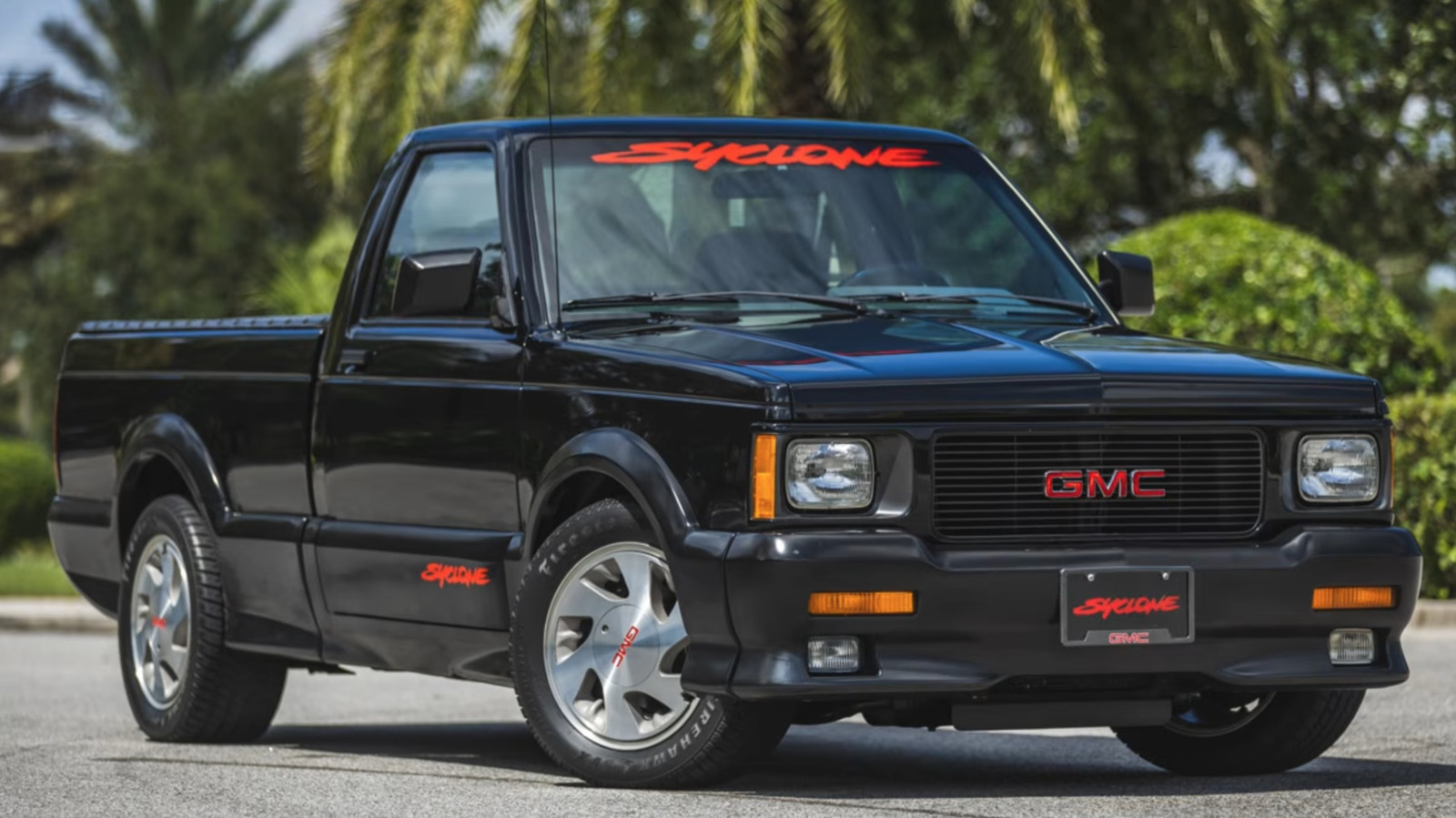
GMC's engineering team created a performance anomaly in the mid-1990s, building a truck that dominated sports cars in straight-line acceleration but sacrificed practical truck capability. The vehicle could outrun a Ferrari in quarter-mile competition, yet its hauling capacity and bed functionality were compromised by the performance modifications.
This truck arrived four years before NASCAR's Truck Series debuted, positioning GMC as an early mover in the performance truck segment. The manufacturer prioritized engine output and acceleration over the traditional truck duties that customers expected from the brand. Power delivery mattered more than payload capacity.
The strategy reflected a broader industry trend emerging at the time. Automakers recognized growing demand from enthusiasts who wanted truck styling combined with sports car performance. This created a niche market willing to accept trade-offs in practicality for bragging rights on the street.
GMC's approach presaged the modern performance truck era, though with different priorities than today's offerings. Current models like the GMC Sierra Denali Ultimate and Ram 1500 TRX balance genuine capability with impressive horsepower. They can tow heavy loads while still posting impressive acceleration figures.
The quarter-mile dominance over exotic cars generated marketing momentum and brand credibility in the performance space. Yet the compromise was real. Truck buyers seeking actual hauling or towing capability found limited utility in this variant.
The vehicle's legacy matters because it demonstrated manufacturer willingness to redefine trucks beyond their utilitarian roots. This opened doors for luxury truck development, high-performance variants, and lifestyle-focused models that define the market today. Performance trucks are no longer novelties. They're core product lines at major manufacturers.
The truck's limitations proved instructive rather than fatal to the concept. Subsequent generations learned to deliver both capability and performance, rejecting the either-or proposition that defined this GMC's engineering philosophy.