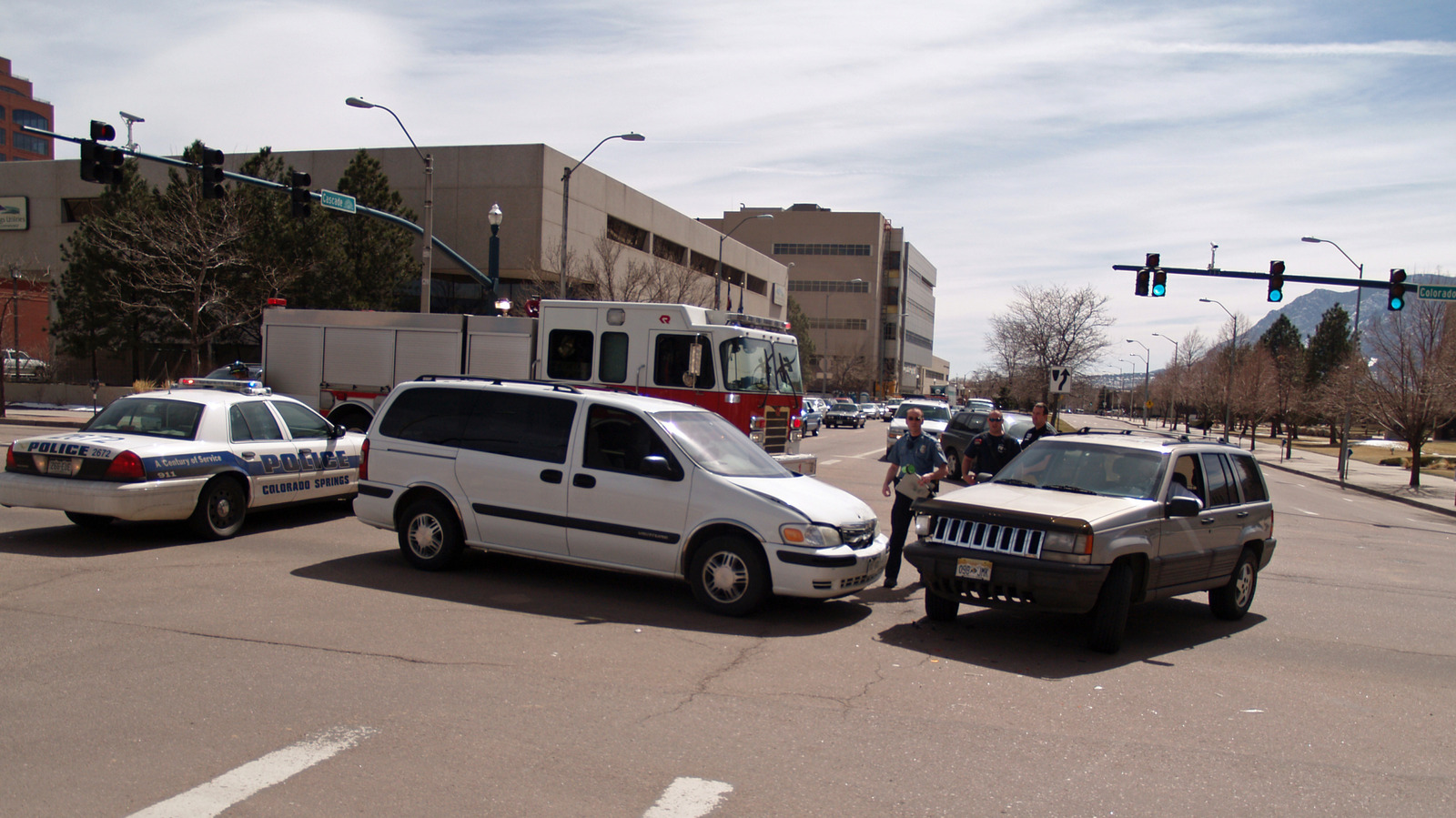
Most states mandate liability auto insurance as a condition of vehicle registration and legal driving. This coverage pays for injuries and property damage you cause to others in an accident. The minimum amounts vary by state, typically ranging from 15,000 to 100,000 dollars in bodily injury liability and 10,000 to 40,000 dollars in property damage liability.
Full coverage, which includes collision and comprehensive protection for your own vehicle, remains optional in most jurisdictions. Collision insurance covers damage from accidents with other vehicles or objects. Comprehensive covers theft, weather, vandalism, and other non-collision incidents. Lenders and lease companies often require full coverage if you're financing or leasing your vehicle, but outright owners can skip it legally.
The economics matter here. State minimum liability protections are often inadequate for serious accidents. A single crash causing significant injuries or property damage can exceed state minimums, exposing you to personal liability. Drivers typically purchase higher limits like 100,000/300,000/100,000 to close this gap.
Full coverage decisions depend on vehicle value and financial exposure. A ten-year-old sedan worth 5,000 dollars may not justify 1,500 dollars annually in collision and comprehensive premiums. A new 40,000 dollar vehicle makes full coverage more sensible to protect your investment.
Uninsured and underinsured motorist coverage fills another critical gap. These optional protections cover you if an uninsured driver hits you or if the at-fault driver's insurance proves inadequate. Many insurance professionals recommend this coverage at the same limits as your liability coverage, particularly in states with high uninsured driver rates.
State minimums exist to ensure accident victims receive at least basic compensation. They don't protect your assets or vehicle. Your actual insurance strategy should reflect your vehicle's value, your financial situation, state-specific risks