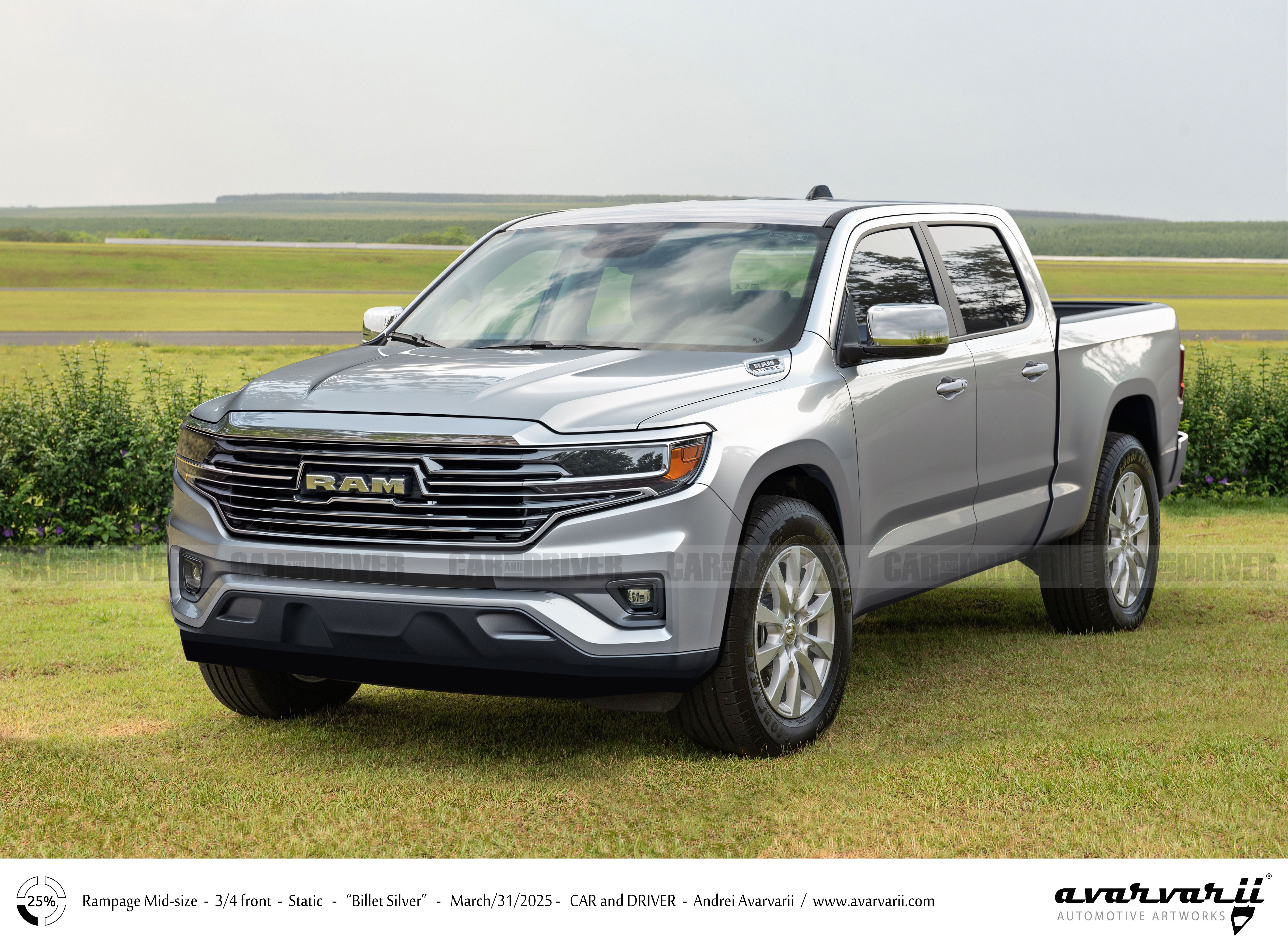
Ram plans to revive the Dakota nameplate in 2028, marking the brand's return to the compact truck segment after a 13-year absence. The original Dakota production ended in 2011, leaving Ram without an entry-level truck offering as competitors like Ford Ranger and Chevrolet Colorado dominate the midsize truck market.
The 2028 Ram Dakota will slot below the full-size Ram 1500, positioning itself against the Ford Ranger, Chevrolet Colorado, and Toyota Tacoma. Ram has not yet released detailed specifications, but the truck will likely share platform architecture with existing Ram vehicles to keep development costs manageable. The Dakota name carries significant heritage, having established Ram's truck credibility from 1987 through 2011 across multiple successful generations.
This move addresses a clear market gap. The midsize truck segment has exploded since the Dakota's discontinuation, with Ford and Chevrolet collectively selling hundreds of thousands annually. Toyota's Tacoma consistently ranks among the best-selling trucks in America. Ram's absence from this segment has cost the brand volume and customer loyalty. Buyers seeking a compact truck have had to choose competitors, many of whom remain loyal to those brands for future purchases.
Ram's timing reflects changing consumer preferences and production capacity recovery post-pandemic. The brand has heavily invested in full-size trucks and is now confident enough to expand downstream. Electrification plans remain unclear for the Dakota; Ram has committed to battery-electric options across its lineup, but confirmation on whether the Dakota receives EV variants has not arrived.
The 2028 launch date allows Ram approximately three years of development and tooling. Industry watchers expect the Dakota to offer a modern cabin with available advanced driver assistance systems, alongside conventional powertrain options. Pricing will position the Dakota as a value alternative to established competitors while maintaining Ram's quality standards.
This revival demonstrates