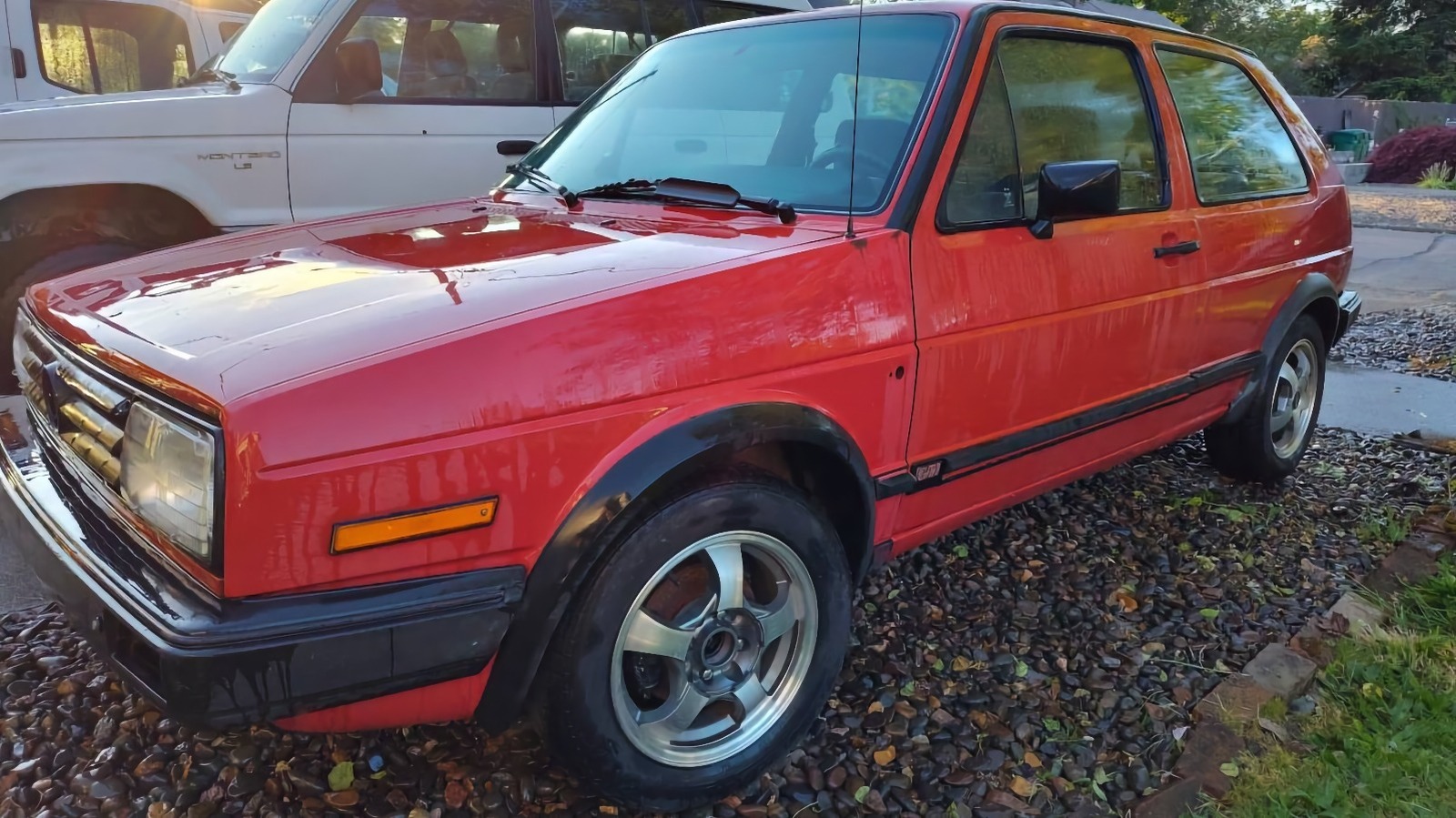
This 1986 Volkswagen GTI represents a pivotal moment in hot hatch history, when Volkswagen's compact performance formula genuinely threatened sports cars at twice the price. The second-generation GTI, built from 1984 to 1992, established the template that defines the segment today. Tight steering, willing engines, and genuine driver engagement made these cars essential to understanding modern performance.
At $4,500, this high-mileage example sits at the crossroads every classic car buyer faces. The 1986 model year GTI packed either a 1.8-liter or 1.6-liter four-cylinder engine, depending on market. Earlier versions made 112 horsepower. By mid-cycle refresh, power climbed. These figures sound quaint against today's GTI and its 245 horses, but context matters. The mk2 GTI weighed around 2,400 pounds. That power-to-weight ratio still delivers genuine acceleration and the raw mechanical feel younger drivers never experience in modern machinery.
The second-generation GTI matters because it proved hot hatches didn't require complexity or expense. Volkswagen grafted a tuned engine, better suspension geometry, and iconic tartan interior trim onto a standard Golf platform. The formula worked. Enthusiasts still hunt mk2 examples because they remain honest, fixable machines. Parts availability remains solid thanks to enduring aftermarket support.
High mileage signals honest use. This particular car likely spent its life in capable hands if the maintenance records support it. Earlier GTIs handled aging better than comparable Camaros or Mustangs because engineers prioritized chassis dynamics over raw displacement. Rust and electrical gremlins pose typical period hazards. Cylinder head gasket failures plague these engines around 100,000 miles.
At this price point, buyers pursue