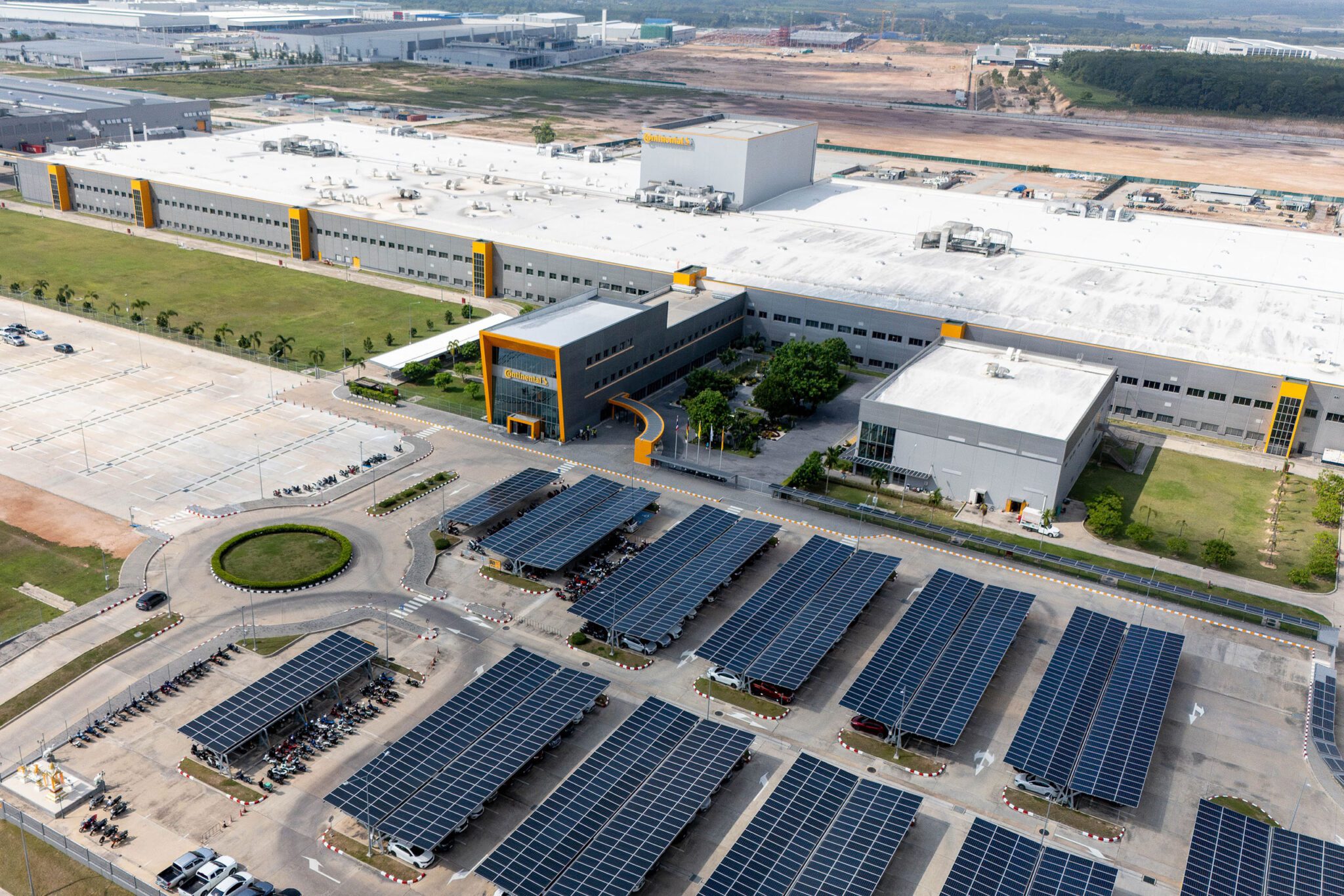
Continental has expanded its tire manufacturing footprint in Southeast Asia with a major capacity increase at its Rayong, Thailand facility. The German supplier invested more than 13 billion Thai baht (approximately $403 million) to add 3 million tire units annually to the plant's output.
This expansion reflects Continental's strategy to strengthen production in high-growth Asian markets. Thailand's Rayong region has become a critical hub for tire manufacturing, benefiting from proximity to major automotive assembly plants across Southeast Asia and established supply chain networks. The investment positions Continental to serve both original equipment and aftermarket demand across the region.
The capacity addition matters for several reasons. First, it reduces Continental's dependence on European and North American facilities during a period when supply chain resilience ranks high among automaker priorities. Second, it aligns with major OEM expansion in Thailand and neighboring countries. BMW, Mercedes-Benz, Hyundai, and numerous Japanese manufacturers operate assembly operations in the region, all requiring steady tire supplies.
Continental competes in a crowded tire market against Michelin, Goodyear, Bridgestone, and Chinese manufacturers. Bridgestone operates Thailand facilities. Michelin has announced its own Southeast Asia expansion plans. Geographic capacity becomes a competitive tool when customers demand regional sourcing and fast delivery cycles.
The Rayong facility now positions Continental to address growing demand from both premium automakers transitioning to electric vehicle production and traditional OEMs expanding ICE capacity in developing markets. EV manufacturers typically source tires from multiple suppliers, meaning increased capacity helps Continental capture market share as electrification accelerates across Asia.
Thailand's tire industry continues consolidating around quality manufacturers with modern environmental controls and technical expertise. Continental's latest investment underscores confidence that the region will remain central to global automotive supply chains, particularly as Japanese and German automakers deepen their Thailand presence.