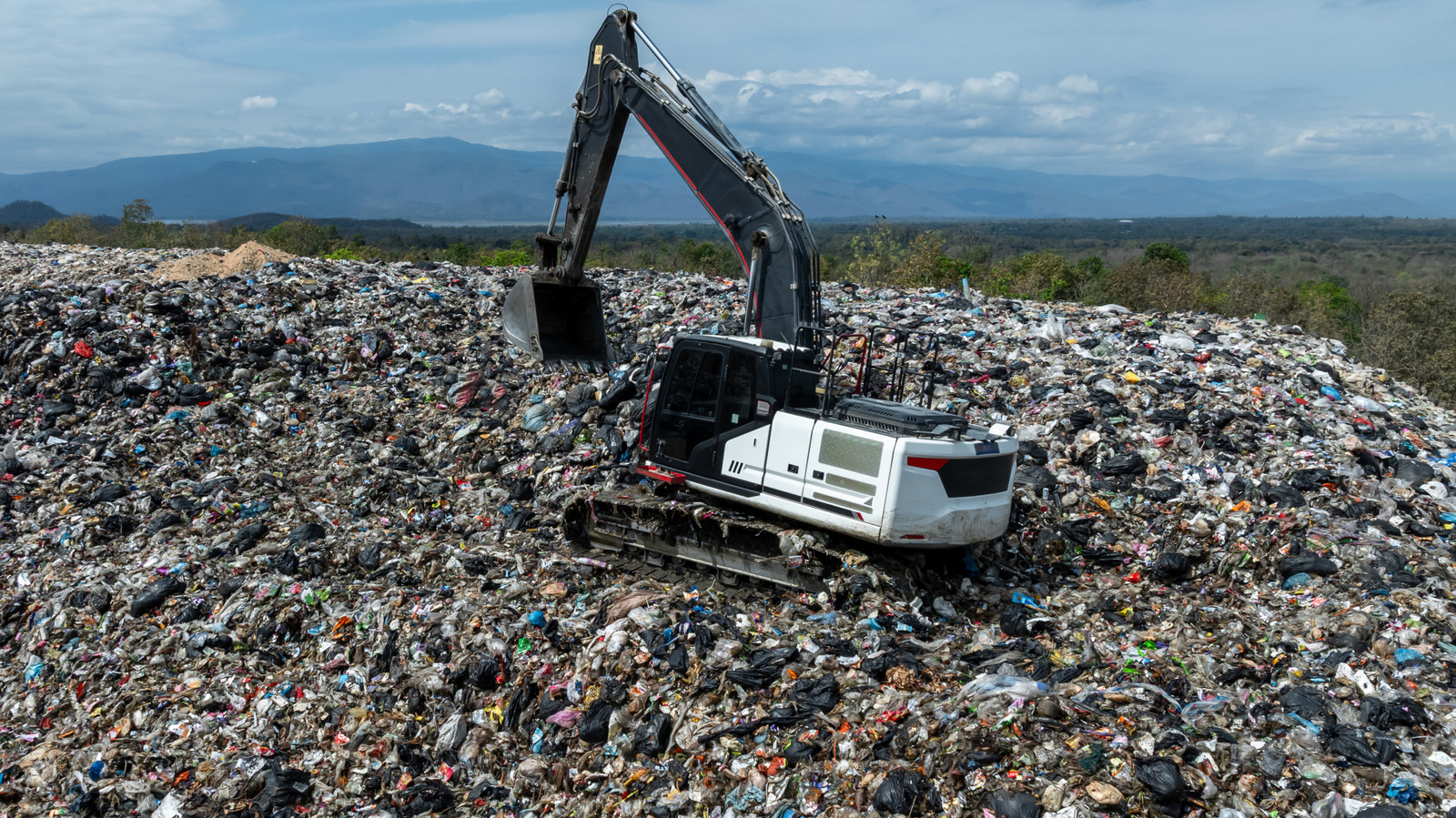
The climate impact debate between vehicle emissions and landfill methane represents a false choice that distorts environmental priorities. Both sources demand serious attention, but they operate on different timescales and require distinct mitigation strategies.
Vehicle CO2 emissions accumulate in the atmosphere for centuries, driving long-term warming. A typical gasoline car produces roughly 4.6 metric tons of CO2 annually. The transportation sector accounts for 27 percent of U.S. greenhouse gas emissions, making it the single largest source. This steady, decades-long contribution shapes global temperature trajectories for generations.
Landfill methane presents a different threat profile. Methane possesses roughly 28 to 34 times the warming potential of CO2 over a 100-year period, and 80 times more potent over 20 years. However, methane breaks down in the atmosphere within 12 years, while CO2 persists indefinitely. Landfills generate methane from decomposing organic waste, but modern facilities capture this gas for energy recovery, dramatically reducing emissions.
The automotive industry faces mounting pressure to electrify fleets. EVs eliminate tailpipe emissions entirely, though upstream electricity generation still matters. Tesla, General Motors, and traditional manufacturers increasingly focus on battery-powered vehicles as their primary growth strategy. This shift reflects regulatory mandates and consumer demand, not landfill comparisons.
Environmental agencies emphasize transportation emissions because they remain largely preventable through technology adoption and policy. Vehicle owners directly control their driving habits and fuel choices. Landfill methane, while potent, affects fewer people and requires systemic waste management improvements across industries.
The real story involves addressing both problems simultaneously rather than ranking them. Electrifying transportation reduces emissions at scale. Improving landfill capture systems and promoting circular economy practices cuts methane at the source. Neither issue canc