Elon Musk is burning fossil fuels to power xAI's Grok chatbot, directly contradicting his years of advocacy for solar energy and a clean-powered future. The AI platform has shed 60% of its downloads, yet Musk continues running expensive gas turbines to operate it. He's now selling excess computing capacity to OpenAI, the same company he publicly criticized as "misanthropic and evil" just three months prior.
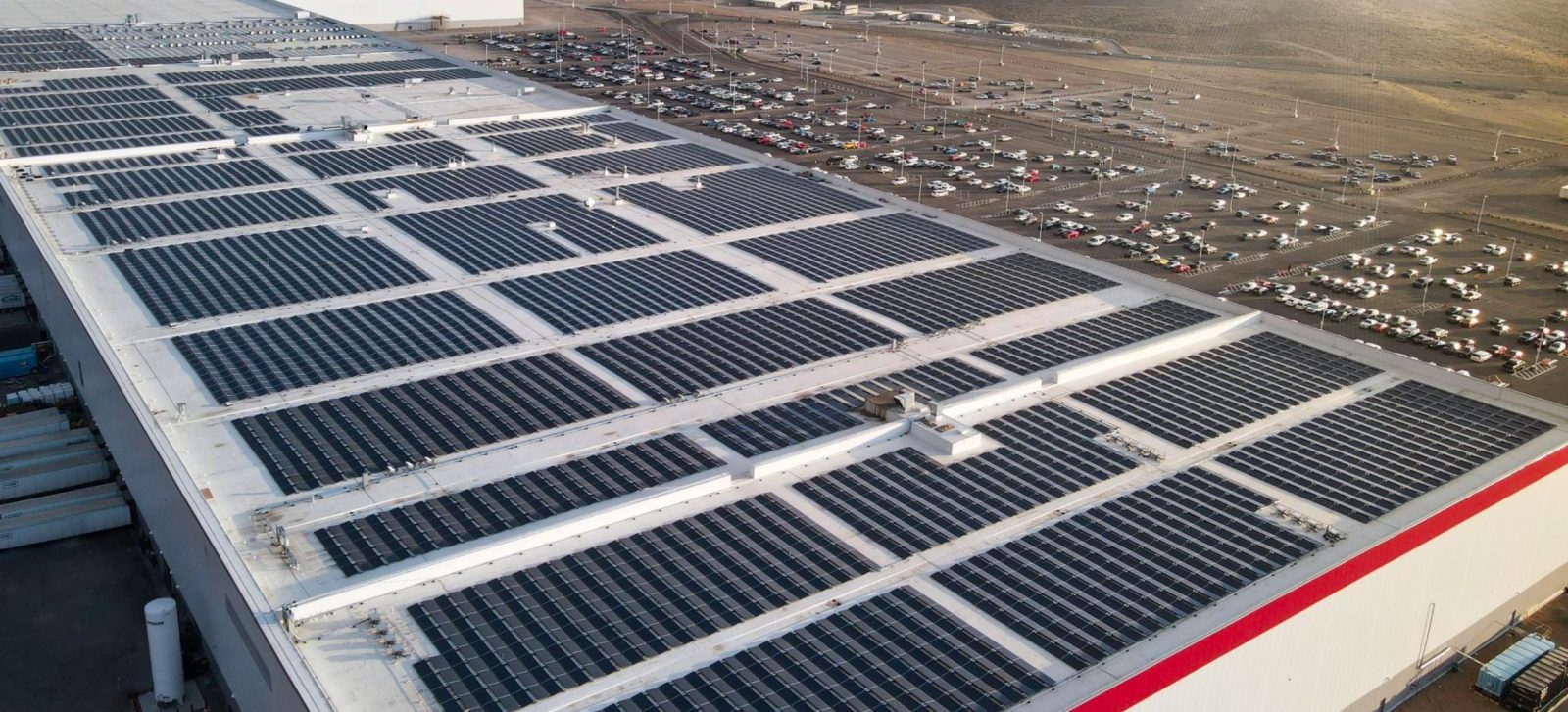
The hypocrisies compound. Musk spent the better part of a decade arguing that solar panels covering a small desert area could power the entire United States. Tesla's Nevada Gigafactory runs on solar arrays built around that exact philosophy. Now xAI operates unpermitted gas turbines, generating millions of tons of fossil fuel emissions annually. That infrastructure serves a chatbot losing market traction by the month.
Meanwhile, Musk pitches space-based solar panels through SpaceX as the company files for a $2 trillion initial public offering. The timing suggests strategic positioning rather than genuine belief in renewable solutions. If solar truly powered his vision, xAI wouldn't need gas turbines. If he actually opposed OpenAI's mission, he wouldn't lease them compute resources.
The pattern reveals a widening gap between Musk's stated environmental convictions and business decisions. Tesla built its empire on the premise that electrification and renewable energy represented the future. Musk used that narrative to attract investors and customers. Yet when faced with the computational demands of an AI venture that's failing to gain users, he chose fossil fuels over solar infrastructure.
This shift matters beyond mere contradiction. It signals that Musk's renewable energy commitments bend when profitability demands it. The unpermitted gas turbines operate without proper regulatory approval, raising environmental and legal questions. The abandoned solar philosophy costs real carbon tonnage. And the