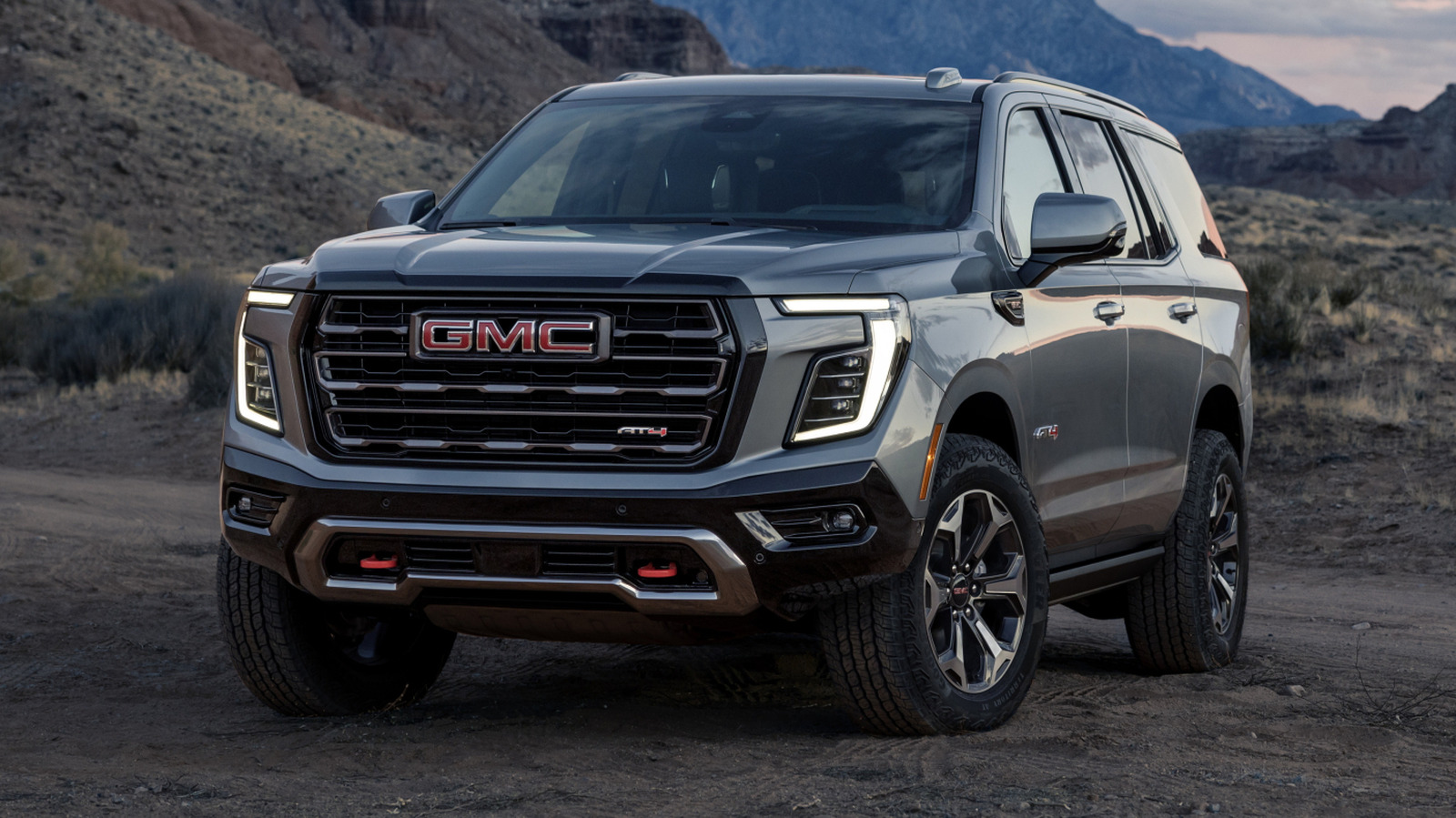
Diesel powertrains have nearly vanished from the American truck and SUV market, but several manufacturers still offer them as critical options for buyers who prioritize fuel efficiency and towing capacity.
General Motors leads the pack with diesel offerings across its full-size truck lineup. The Chevrolet Silverado and GMC Sierra both feature 3.0-liter Duramax turbodiesel engines, delivering strong torque figures that appeal to truck owners hauling cargo or trailers regularly. Ford counters with the 6.7-liter Power Stroke diesel in the F-150, a workhorse engine trusted by commercial and residential users alike.
Ram maintains diesel relevance through its 6.7-liter Cummins turbodiesel in the Ram 2500 and 3500 heavy-duty trucks. This pairing has long defined Ram's heavy-duty identity and attracts professional fleets and serious off-road enthusiasts.
On the SUV front, Jeep still offers a diesel option in select Wrangler models, giving off-road buyers an alternative to gasoline engines. Jeep's 3.0-liter EcoDiesel delivers respectable efficiency for a vehicle of its size.
Diesel demand persists despite industry headwinds. Buyers value the fuel economy improvements and torque advantages when towing or carrying heavy loads. A single tank stretches further than comparable gasoline engines, reducing trips to fuel stations and operational costs over vehicle lifetime.
However, stricter emissions regulations and shifting consumer preferences toward electrification have killed diesel options in most midsize trucks and crossovers. Nissan phased out its Cummins diesel in the Titan. Toyota eliminated its diesel Tundra option years ago. Volkswagen's diesel era ended with American consumers years back.
Diesel survival depends on