Jalopnik's readers have identified a automotive truth that matters more than raw performance specs: mediocrity is a worse sin than outright badness.
This principle cuts to the heart of why certain vehicles inspire passion, even when they fail, while others generate apathy. A truly terrible car at least makes a statement. It provokes emotion. A mediocre one simply exists, forgettable and uninspired.
The comparison to paleolithic tool decoration is apt. Humans don't settle for purely functional machines. We want cars that say something about us, that deliver either genuine capability or authentic character. A mediocre sedan with no personality, no performance advantage, and no distinctive design philosophy offers nothing to justify its existence in a crowded market.
This observation exposes a design philosophy that plagues the industry. Manufacturers sometimes chase the mythical "safe middle ground," creating vehicles that offend no one and excite no one. These cars lack the drama of a high-performance machine, the practicality that justifies a true workhorse, or the design courage that turns a humble model into an icon.
Readers reward authenticity. They respect the cult classic that failed commercially but inspired loyalty. They appreciate the overbuilt truck that costs more but delivers real capability. They celebrate the sports car that pushes boundaries, even if it stumbles.
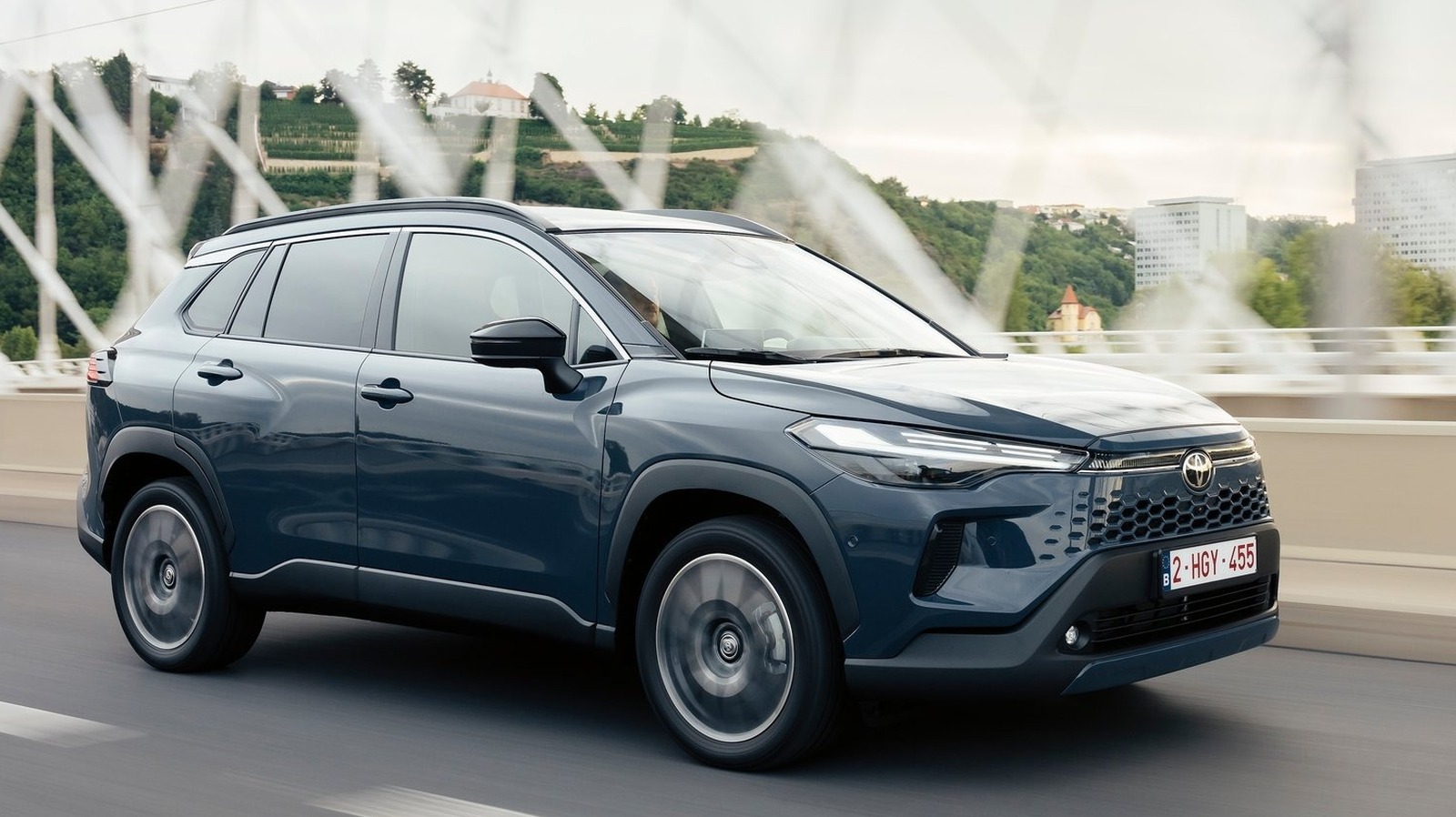
But a competent-but-forgettable crossover? A sedan with soft handling and soft styling? A truck that splits the difference between work and lifestyle without committing to either? These land in the graveyard of consumer indifference.
The lesson extends beyond design. Mediocrity wastes capital, manufacturing capacity, and marketing budgets. A bold failure teaches valuable lessons. A mediocre success teaches nothing and generates no loyalty for the next product cycle.
This reader sentiment reflects a broader market reality. Automotive enthusiasm depends on differentiation