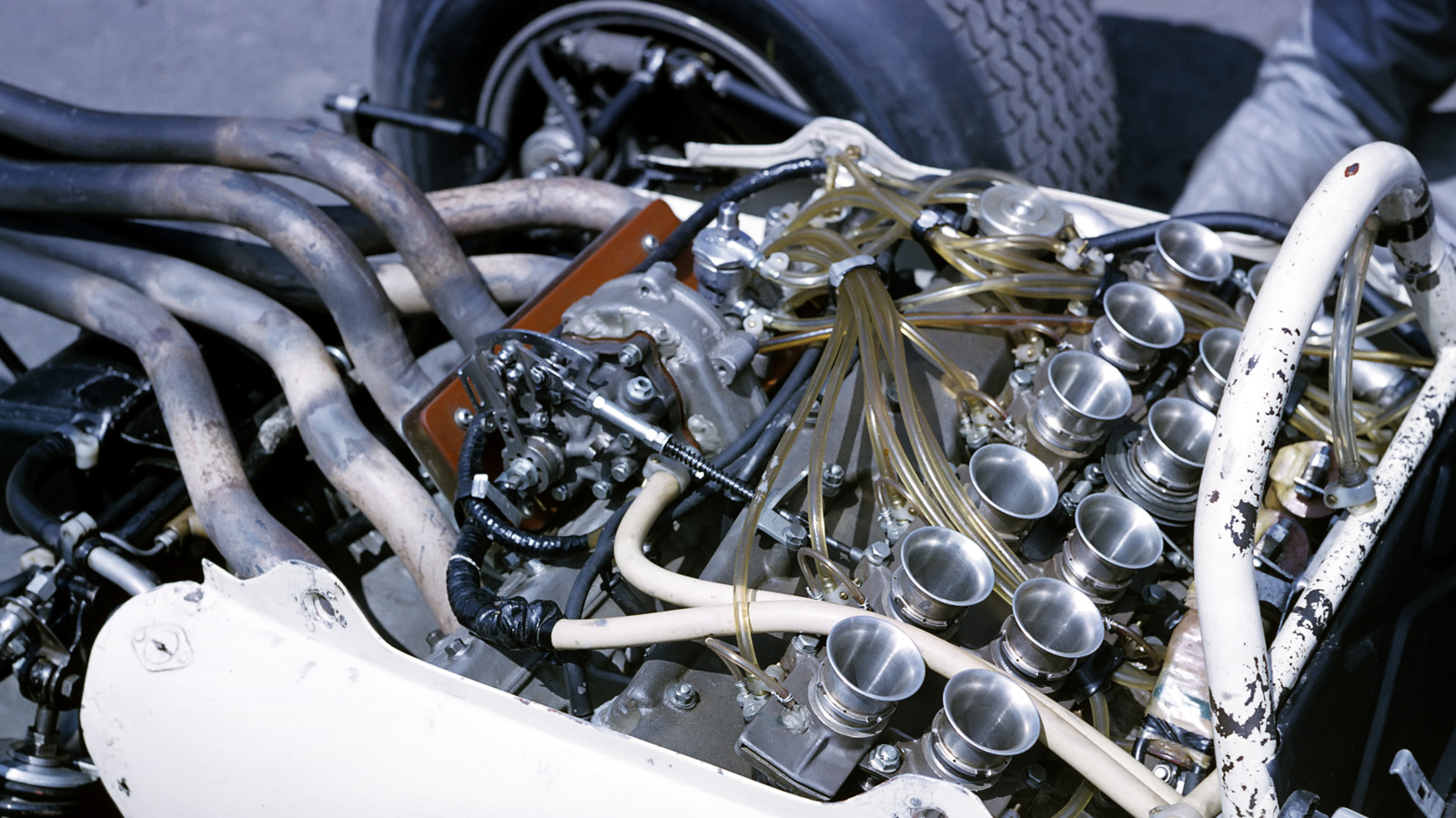
Honda's engineering heritage stretches back through genuinely musical powerplants. The K-series engines, the NSX V10, the S2000's F20C and F22C units all turned heads with their high-revving character and distinctive exhaust notes. But one engine stands apart for its sheer aggression and raw fury.
The B16Z1 and B18C Integra Type-R engines from the late 1990s and early 2000s represent Honda at its most uncompromising. These four-cylinder mills hit 8,000 rpm redlines with a raspy, angry bark that defined an entire generation of tuner culture. The B16Z1 produced 195 horsepower from just 1.6 liters, while the later B18C pushed 200 horses from its larger displacement.
What made these engines so furious wasn't just peak power. Honda engineered them with variable valve timing and aggressive cam profiles that created a distinctly hostile character through the exhaust. At full throttle, particularly in the higher rev ranges, the B-series engines produced a crackling, almost threatening wail that separate them from competitors' more refined offerings.
The Integra Type-R leveraged this engine's intensity as a core identity element. Honda positioned the Type-R as a stripped-down, driver-focused machine that rejected luxury for performance. The engine matched this philosophy perfectly. Every shift, every acceleration burst delivered an unmistakable soundtrack of mechanical anger.
This aggressive character reflected Honda's philosophy during that era. While other manufacturers chased turbocharging and larger displacements, Honda believed high-revving, naturally aspirated four-cylinders represented the purest driving experience. The B-series engines proved the company had a point. They delivered enough aggression and intensity to excite enthusiasts despite their modest displacement.