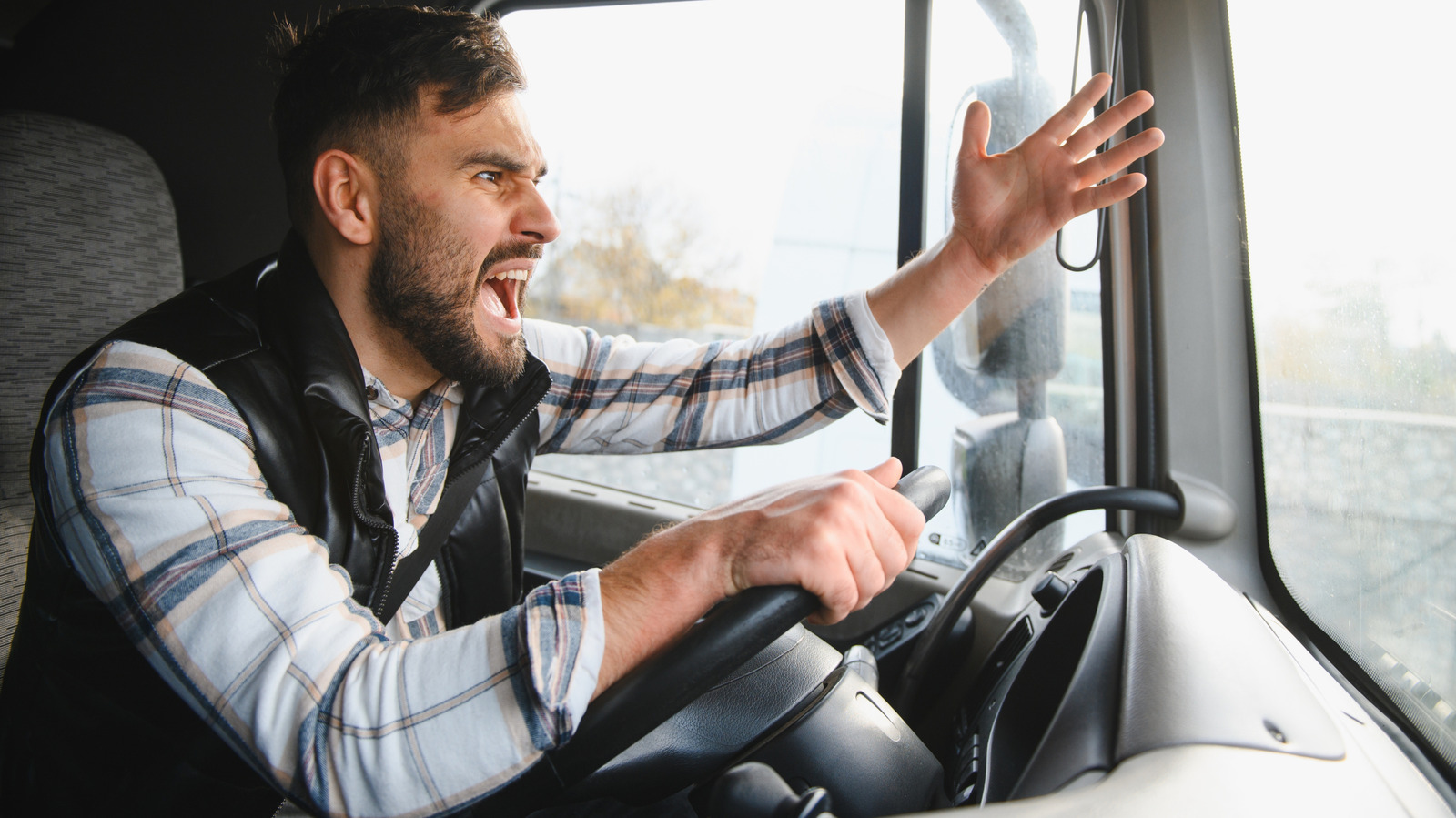
Professional truck drivers operate vehicles that weigh up to 80,000 pounds and require significantly longer stopping distances than passenger cars. Yet many drivers treat them as obstacles rather than machines that demand respect and distance.
Truck drivers consistently report that passenger vehicle operators cut them off, brake suddenly in front of them, and linger in their blind spots. These actions force truckers to brake hard or swerve, creating dangerous situations that jeopardize everyone on the road. A fully loaded semi-truck traveling at 65 mph needs roughly 600 feet to stop completely. A passenger car needs about 300 feet. That gap matters.
Tailgating trucks ranks high on the annoyance list. Drafting behind a semi might marginally improve fuel economy, but it blinds the driver to hazards ahead and eliminates reaction time if the truck brakes suddenly. Truck drivers cannot see vehicles directly behind them, making close following especially risky.
Merging aggressively into truck lanes without signaling creates panic situations. Truckers operate on tight schedules and cannot perform the sudden maneuvers that car drivers expect. Predictability saves lives on highways.
Drivers also fail to understand that trucks need extra space to navigate turns, especially at lower speeds. Cutting inside a turning truck can result in collision with the trailer's rear wheels or the vehicle being clipped during the turn arc.
The frustration goes both ways. Drivers stuck behind slow-moving trucks on two-lane highways want to pass. But treating trucks as nuisances rather than professional equipment operators misses the reality. Most truck drivers train extensively and follow strict regulations. They share the road because commerce depends on trucking.
Simple respect matters. Give trucks space, signal intentions clearly, avoid sudden moves around them, and never brake-check them. These basics acknowledge the physics at play and the skill required to operate commercial vehicles safely.