Rally and circuit racing occupy fundamentally different worlds within professional motorsports, demanding distinct skill sets, vehicle designs, and strategic approaches.
Circuit racing confines competition to closed tracks with defined racing lines. Drivers memorize every corner, apex, and braking point. The objective centers on raw speed and consistency over multiple laps. Vehicles emphasize aerodynamic efficiency, with downforce and low-slung frames optimized for high cornering speeds. Formula 1 cars, Porsche 911 GT3s, and touring cars exemplify this category. Pit strategy, tire degradation management, and fuel consumption become tactical elements played out across 20 to 200 laps.
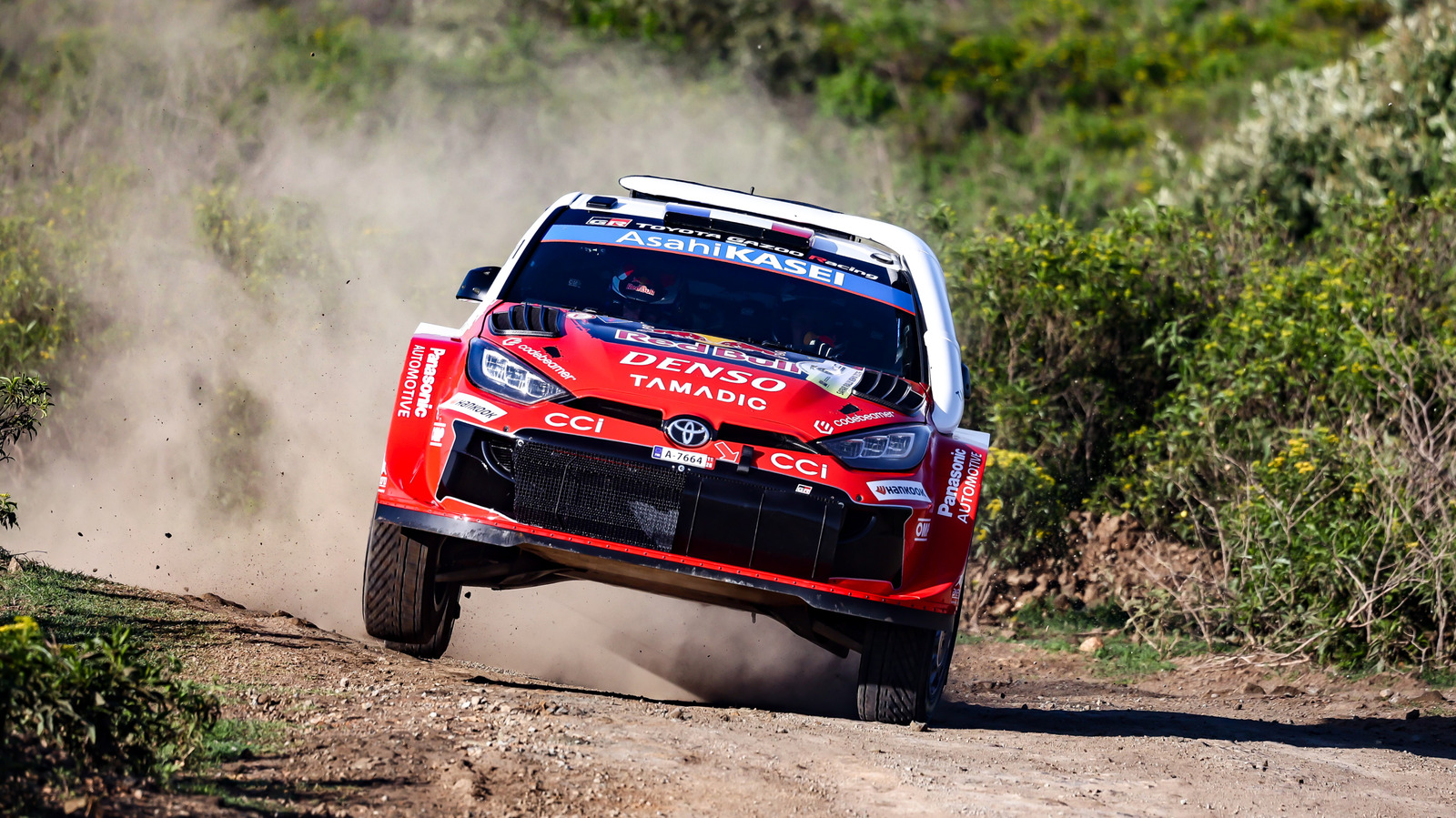
Rally racing occurs on open roads, often gravel or tarmac, that drivers have never seen at competitive speed. Co-drivers read pace notes aloud, describing upcoming turns and hazards in real time. The format emphasizes point-to-point navigation and time trial performance rather than head-to-head racing. Vehicles prioritize traction, suspension travel, and durability over pure aerodynamic efficiency. The 2024 Hyundai i20 N Rally1 and Ford Puma Rally1 feature raised suspensions, reinforced frames, and all-terrain capability. A single mistake or mechanical failure can end an entire event lasting days.
The mental demands diverge sharply. Circuit racers maintain laser focus on repetitive precision. Rally drivers react to unknown terrain at extreme speeds, adapting lines and braking points within seconds based on co-driver calls. Weather changes transform rally stages instantly, requiring real-time adjustment. Circuit conditions remain relatively consistent throughout a race weekend.
Team structures differ too. Circuit racing involves large crews managing pit strategy, telemetry, and live decisions. Rally teams work with minimal trackside support, relying on crew chiefs at service areas between stages to diagnose and